(WorldFrontNews Editorial):- Guangzhou, Guangdong May 7, 2026 (Issuewire.com) – The journey of an industrial component from a conceptual sketch to a functional reality is a complex orchestration of design precision and manufacturing synergy. In the modern landscape of global trade, efficiency is often found in integration. By utilizing Custom Industrial Welding and Fabrication Services in China, international enterprises are increasingly moving away from fragmented supply chains in favor of streamlined, comprehensive production lines. This transition from individual part sourcing to a unified “Design for Manufacturing” (DFM) approach ensures that every weld, cut, and assembly step is optimized for structural integrity and cost-efficiency.
To understand how high-precision components are brought to market, one must look at the procedural framework that connects engineering theory with workshop execution. The following guide outlines the integrated manufacturing process, highlighting the critical intersections of technology and expertise.
Procedure 1: Design for Manufacturing (DFM) and Feasibility Analysis
Every successful manufacturing project begins long before the first machine is powered on. The initial stage focuses on DFM, a critical engineering practice where the design is refined to be as easy and economical to manufacture as possible without sacrificing performance.
Leveraging over 15 years of operational management experience, technical teams analyze complex project requirements to identify potential production bottlenecks. This stage involves a deep dive into project feasibility, utilizing vast repositories of historical case data to optimize production costs. Engineers assess the geometry of the parts, suggesting adjustments that allow for more efficient tool paths or more stable welding joints. This proactive optimization reduces material waste and ensures that the transition from a prototype to mass production is seamless and predictable.
Procedure 2: Precision CNC Machining and Material Selection
Once the design is validated, the project moves into the material procurement and machining phase. The selection of materials–ranging from aerospace-grade aluminum to high-strength stainless steel–is dictated by the application’s environmental demands and mechanical stress requirements.
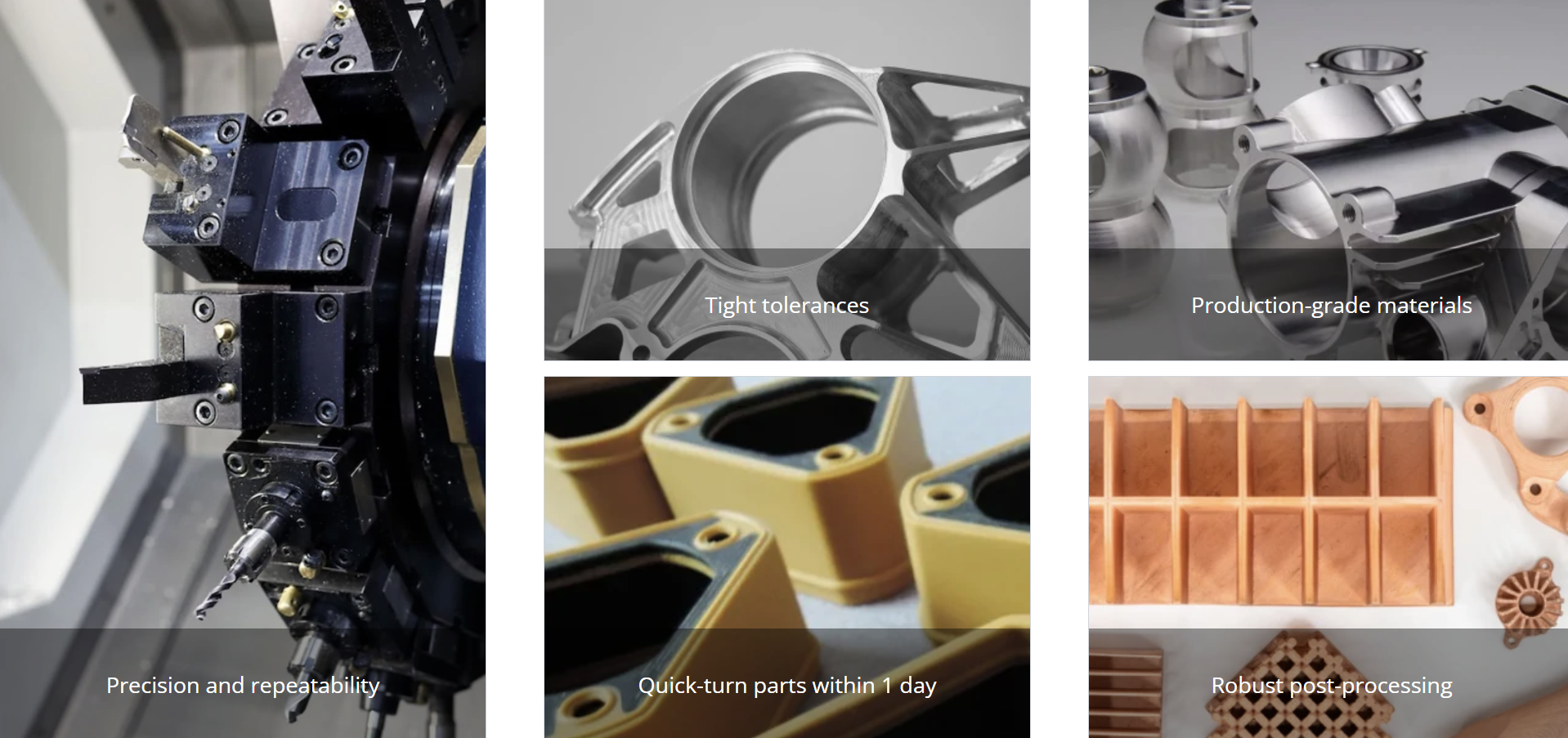
In the heart of a premier precision machining hub, advanced facilities equipped with more than 50 sets of CNC machines take center stage. The integration of 3-axis, 4-axis, and 5-axis CNC machining centers allows for the creation of intricate geometries that would be impossible through traditional manual methods.
- 3-Axis Machining: Ideal for simpler parts requiring high-speed milling and drilling.
- 4-Axis and 5-Axis Machining: Essential for complex, multi-sided components, reducing the need for multiple setups and thereby increasing dimensional accuracy and reducing human error.
The technical precision achieved here is supported by ISO9001-2015-certified quality control protocols. Every micron matters, especially when these parts are destined for critical sectors in the United States, Europe, and Australia. The ability to maintain tight tolerances across large batches is a hallmark of a mature manufacturing partner.
Procedure 3: Custom Welding and Structural Fabrication
For projects requiring more than just individual parts, the fabrication and welding stage integrates separate elements into a unified structure. This is where Diode Machining excels by combining machining precision with robust structural fabrication.
Industrial welding in a one-stop environment is not merely about joining metal; it is about maintaining the mechanical properties of the material across the heat-affected zone. Professional fabrication services involve laser cutting, bending, and specialized welding techniques (such as TIG or MIG) tailored to the specific alloy being used. By keeping fabrication in the same ecosystem as CNC machining, manufacturers ensure that the machined interfaces align perfectly with the welded frames, eliminating the “fit-up” issues that frequently plague projects split between different vendors.
Procedure 4: Systematic Assembly and Component Integration
The penultimate step in the manufacturing lifecycle is assembly. A 6,000-square-foot manufacturing space provides the necessary environment for clean, organized, and systematic integration of mechanical assemblies.
Assembly is more than just fastening bolts; it involves functional testing and verification. Whether it is a sub-assembly for a medical device or a heavy-duty industrial chassis, the process requires a team of experienced engineers who understand the interplay between different mechanical systems. This stage also benefits from an extensive supplier network, allowing for the inclusion of specialized off-the-shelf components–such as sensors, bearings, or fasteners–ensuring the final product is a turnkey solution ready for immediate deployment by the client.
Procedure 5: Global Logistics, Specialized Packaging for Oversized and Complex Structures
A critical pain point often encountered by international buyers is the logistical risk associated with oversized components and fragile assemblies. Large-scale fabricated frames or high-precision mechanical systems are susceptible to structural deformation, moisture corrosion, or surface abrasion during trans-Pacific transit. Standard packaging often fails to meet the rigors of long-distance maritime or air freight.
To mitigate these risks, Diode Machining implements custom-engineered packaging solutions as a standard part of the integrated service. For oversized parts, we utilize reinforced steel-framed crates and vacuum-sealed anti-static shielding to prevent oxidation in high-humidity maritime environments. Each crate is designed based on the center of gravity and structural weak points of the specific component, utilizing custom foam inserts and vibration-dampening materials. By addressing the “last mile” of manufacturing through rigorous packaging engineering, we ensure that the precision achieved in our 6,000-square-foot facility is preserved until the moment the crate is opened at the client’s site, regardless of the destination among the 30 countries we serve.
The final procedure involves a rigorous exit inspection and preparation for international export. With products currently reaching 30 countries, the logistics of precision manufacturing must be handled with the same care as the production itself.
Quality assurance at this level includes coordinate measuring machine (CMM) inspections, material certification verification, and final performance testing. The goal is to provide full order capacity support, ensuring that whether a client requires a single rapid prototype or a mass-production run of several thousand units, the quality remains consistent. The strategic combination of competitive pricing and a robust quality management system provides a foundation of trust for global clients seeking long-term manufacturing partnerships.
Conclusion: The Value of Integrated Solutions
In the competitive world of industrial manufacturing, the ability to consolidate CNC machining, welding, fabrication, and assembly under one roof is a significant strategic advantage. It reduces lead times, lowers logistical risks, and ensures a higher level of technical oversight throughout the product’s birth. By focusing on engineering-led solutions and maintaining a commitment to international quality standards, service providers in China’s precision hubs continue to offer the global market a reliable path from innovative design to industrial-scale reality.
For more information on integrated manufacturing solutions, visit: https://diodemachining.com/
This article was originally published by IssueWire. Read the original article here.