(WorldFrontNews Editorial):- Weifang, Shandong May 7, 2026 (Issuewire.com) – In the evolving landscape of global trade, procurement professionals in the foodservice, healthcare, and industrial sectors face increasing pressure to balance cost-efficiency with rigorous safety standards. One of the most critical components in personal protective equipment (PPE) is the polyethylene (PE) apron, a staple for maintaining hygiene and preventing cross-contamination. Selecting a High Quality Disposable PE Aprons Manufacturer Direct requires more than just comparing price points; it necessitates a deep dive into manufacturing stability, supply chain resilience, and chemical safety compliance. As global regulations tighten, particularly in the European market, understanding the technical nuances of product composition and the manufacturing lineage of a supplier becomes the cornerstone of a successful sourcing strategy.
Step 1: Identifying Manufacturing Expertise and Supply Chain Stability
The first stage of strategic sourcing involves vetting the foundational stability of the producer. In an era of volatile logistics, a manufacturer’s physical footprint and industry tenure serve as primary indicators of reliability. For instance, companies that have navigated the complexities of the plastic industry for over two decades offer a level of institutional knowledge that translates into consistent product gauge and tensile strength.
When evaluating a partner like WEIFANG TAILIN, procurement officers should look for a diversified manufacturing base. Managing operations across multiple geographical locations, such as China and Vietnam, provides a critical hedge against regional disruptions and shifting tariff landscapes. This dual-base strategy ensures that high-volume orders–supported by an annual export capacity exceeding 35,000 tons–can be fulfilled without the bottlenecks common in smaller, single-site operations. For global retailers, this logistical flexibility is just as vital as the physical properties of the aprons themselves.
Step 2: Defining Technical Specifications and Material Performance
A professional sourcing process requires a granular understanding of the product’s technical parameters. Disposable PE aprons are generally categorized by material type–Low-Density Polyethylene (LDPE), High-Density Polyethylene (HDPE), or Chlorinated Polyethylene (CPE)–each offering distinct levels of fluid resistance and texture.
The performance of these aprons is measured by several key metrics:
- Micron Thickness: Ensuring consistent thickness across the entire surface to prevent premature tearing.
- Tensile Strength: The ability of the material to withstand pulling forces during active use in busy commercial kitchens or industrial cleaning environments.
- Texture and Comfort: Features such as “embossed” surfaces prevent the plastic from sticking to skin or clothing, enhancing the ergonomics for the end-user.
Advanced manufacturing facilities utilize automated production lines that ensure the neck openings and waist ties are integrated with precision, reducing the failure points commonly found in lower-quality, manual-assembly alternatives. These specifications are not merely checkboxes; they are the technical drivers of workplace safety.
Step 3: Navigating REACH Compliance and Chemical Safety
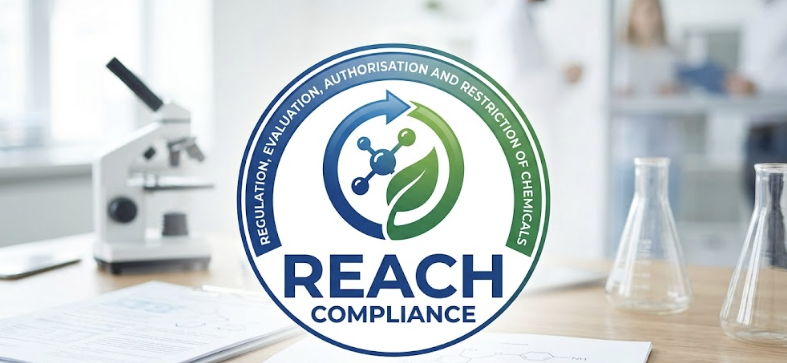
For any organization importing into or operating within the European Economic Area, REACH (Registration, Evaluation, Authorisation and Restriction of Chemicals) compliance is a non-negotiable benchmark. REACH aims to improve the protection of human health and the environment through the better and earlier identification of the intrinsic properties of chemical substances.
In the context of PE aprons, REACH compliance ensures the absence of harmful plasticizers, heavy metals, or substances of very high concern (SVHC). During the evaluation phase, a procurement team must verify that the raw materials used in the extrusion process are certified. This is particularly critical in the foodservice and healthcare industries, where the apron may come into indirect contact with food or sensitive environments. A manufacturer’s commitment to these standards often mirrors their broader quality management ethos, evidenced by international certifications such as BRC (British Retail Consortium), BSCI (Business Social Compliance Initiative), and ISO 9001.
Step 4: Assessing Sustainability and Long-Term Partnership Value
Modern sourcing has shifted from a transactional model to one focused on sustainability and corporate social responsibility (CSR). The plastic industry is under significant scrutiny regarding its environmental footprint. Consequently, forward-thinking manufacturers are increasingly adopting the Global Recycled Standard (GRS) and exploring thinner, high-strength films that reduce total plastic consumption without compromising the protective barrier.
The ability to provide customizable solutions–tailoring the size, color, and packaging to specific branding or functional needs–indicates a supplier’s technical maturity. This flexibility, combined with a track record of serving over 50 countries, suggests that a manufacturer can adapt to different regulatory environments and consumer preferences.
When finalized, the sourcing decision should be directed toward an entity that integrates these four steps into a cohesive service model. For example, to discuss specific requirements or technical integrations, organizations often engage directly with the engineering teams at WEIFANG TAILIN to ensure the final product aligns with their unique operational demands.
Conclusion: The Path to Quality Assurance
Strategic sourcing is, at its core, a multi-dimensional and complex discipline. It is not merely about cost containment but serves as a critical framework for risk mitigation and long-term value creation. In a globalized supply chain, disposable plastic products may appear structurally simple, yet they demand an incredibly high level of manufacturing precision and regulatory rigor. By prioritizing a partner’s manufacturing heritage, procurement professionals ensure that product performance remains consistent over long-term delivery cycles; by strictly controlling technical precision, organizations can effectively reduce material failure rates, thereby optimizing overall operational efficiency.
Furthermore, against the backdrop of an increasingly stringent global regulatory environment, international chemical compliance certifications such as REACH have become the lifeline for protecting brand reputation and end-user safety. Compliance is no longer just an entry barrier for specific markets; it is a direct reflection of a corporation’s commitment to social responsibility. When procurement teams use these standards as a foundation, they can establish a resilient, flexible supply chain that is both secure and highly responsive, demonstrating greater fortitude in the face of global market fluctuations.
For more information on product specifications and corporate capabilities, visit the official website: https://www.kangleplastic.cn/

This article was originally published by IssueWire. Read the original article here.