(WorldFrontNews Editorial):- Hangzhou, Zhejiang May 17, 2026 (Issuewire.com) – The conclusion of Cosmoprof Worldwide Bologna has left the global beauty industry with a wealth of inspiration and a daunting task: vetting the hundreds of potential manufacturing partners met on the show floor. As the dust settles on one of the world’s most influential beauty trade fairs, international brand owners and procurement managers are now transitioning from initial discovery to rigorous due diligence. Amidst the sea of exhibitors, identifying a China Top Dropper Bottle Factory requires more than just collecting a business card; it demands a strategic evaluation of technical capabilities, environmental commitment, and supply chain stability. For many attendees, the challenge is distinguishing between trading intermediaries and true manufacturing powerhouses that can sustain the high-velocity demands of the modern skincare market.
During the exhibition, the atmosphere was charged with a clear shift toward precision dispensing and sustainable luxury. “We are no longer just looking for a container; we are looking for a precision instrument that protects our active ingredients,” remarked a product developer from a premium European serum brand while examining dropper assemblies. This feedback underscores a critical market reality: the dropper bottle is the primary touchpoint between the consumer and the formula. Navigating the myriad of booths at Bologna serves as the first filter in the selection process, effectively weeding out smaller workshops that lack the necessary international certifications or the scale to meet global safety standards.
Phase One: On-Site Tactical Evaluation1. Tactile Interaction
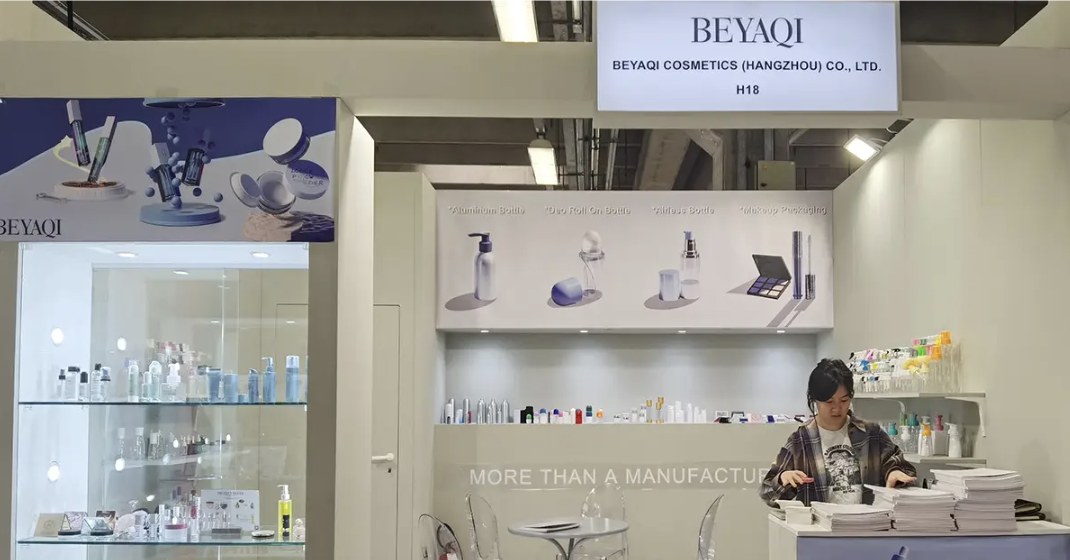
The first stage of selection occurs directly on the trade show floor through tactile engagement. A premier manufacturer’s quality is often revealed in the details that are invisible in digital catalogs. When evaluating dropper bottles on-site, experienced buyers focus on the “tactile precision” of the suction and the clarity of the glass or polymer. At booths hosted by industry leaders like BEYAQI, visitors often noted the seamless integration between the bulb, the collar, and the pipette–a testament to rigorous mold management and assembly standards.
2. Various Materials
Technical sophistication can be measured by the variety of materials on display. While traditional glass remains a staple, the integration of specialized materials like PP, aluminum, and airless systems indicates a factory’s investment in research and development. In Bologna, several brand representatives highlighted the importance of “controlled dosage,” seeking droppers that provide consistent microliter delivery without leakage. Evaluating these samples in person allows buyers to verify the wall thickness of the bottles and the elasticity of the bulbs, ensuring the packaging feels as premium as the product inside.
Phase Two: Deep-Dive Consultations and Post-Show Audits
The second phase of selection involves moving beyond the product sample to the executive dialogue. Engaging with a factory’s leadership–either during the final hours of the fair or in the weeks following–reveals the operational philosophy of the organization. When communicating with potential partners, it is essential to look beyond the sales pitch and inquire about specific technical benchmarks.
1. Infrastructure Overview
A critical point of discussion is the infrastructure supporting the production. For instance, a facility’s location can significantly impact logistics and export efficiency. BEYAQI, headquartered in Hangzhou with a primary manufacturing base in Yuyao, exemplifies the strategic advantage of being situated near major hubs like Ningbo and Shanghai ports. This proximity reduces lead times and minimizes the carbon footprint of inland transportation, a factor increasingly prioritized by eco-conscious brands. Furthermore, understanding a factory’s daily output is vital for scalability. A production capacity exceeding 4.8 million pieces daily, for example, signals that a partner can handle both niche product launches and mass-market expansions without compromising quality control.
2. Rigorous Quality Control
Following the trends observed at Cosmoprof, the “China Top Dropper Bottle Factory” designation is not merely a marketing label but a status earned through a highly structured and transparent quality management system. In an era where product safety and precision are non-negotiable, a factory’s ability to provide a granular technical description of its quality flow–from initial prototyping to final assembly–is the ultimate proof of reliability.
A premier manufacturer operates on a rigorous “Three Times Confirmation, Six Times QC” principle to ensure total compliance with international standards. This begins long before mass production, starting with 3D/Rapid Prototyping for sample confirmation and meticulous Mold & Custom Molding development. By verifying pre-production samples, technical teams can calibrate equipment to meet the exact tolerances required for high-performance dropper systems.
The production phase itself is governed by continuous, multi-stage detection. This includes:
- Material Integrity:Strict raw material inspections and pigment/additive detection to ensure chemical stability and color consistency.
- In-Process Monitoring:Quality random inspections during both Injection Production and secondary processes like Printing or Spraying.
- Final Assurance:A multi-layered exit strategy involving warehouse-in inspections and a final delivery quality confirmation.
This level of professional rigor ensures that every component–whether a glass pipette or a precision pump–is safe, effective, and representative of the brand’s premium values. Such transparency provides global buyers with the “compliance peace of mind” necessary to maintain a competitive edge in the luxury skincare market.
3. Assessing Core Competencies and Technical Innovation
A top-tier factory is defined by its ability to innovate rather than merely replicate. In the current market, this innovation is centered on two pillars: customization and sustainability. Buyers should look for partners that offer independent development and design services. The ability to create proprietary molds and unique decorative finishes–such as silk screening, hot stamping, or specialized UV coatings–allows brands to maintain a distinct visual identity in a crowded retail environment.
Technical excellence also manifests in the diversity of the product portfolio. While a buyer might initially seek a glass dropper bottle, a versatile manufacturer will offer a cohesive range of airless bottles, roll-on containers, and lotion pumps. This “one-stop” capability ensures that a brand’s entire product line maintains aesthetic and functional consistency. During the post-Bologna follow-ups, it is prudent to ask about the factory’s experience with various formulations. Whether it is a high-viscosity essential oil or a volatile serum, the packaging must be chemically compatible. Advanced manufacturers provide comprehensive testing services to ensure that the container does not react with the formula over time.
Building a Future-Proof Partnership
The ultimate goal of the post-exhibition vetting process is to establish a relationship that can adapt to the “ever-changing needs of the cosmetic industry.” This requires a partner that listens to customer feedback and prioritizes satisfaction as a metric of success. The transition from the high-energy environment of Bologna to the structured reality of production is where the true value of a manufacturer is proven.
Selecting a partner like BEYAQI means choosing a legacy of expertise that began in 2017, backed by a commitment to innovation and global export standards. By focusing on technical precision, logistical advantages, and a shared vision for a sustainable future, brands can move forward from the exhibition with confidence, knowing their packaging is in the hands of experts. For more information on premium packaging solutions, visit: https://www.beyaqipackaging.com/
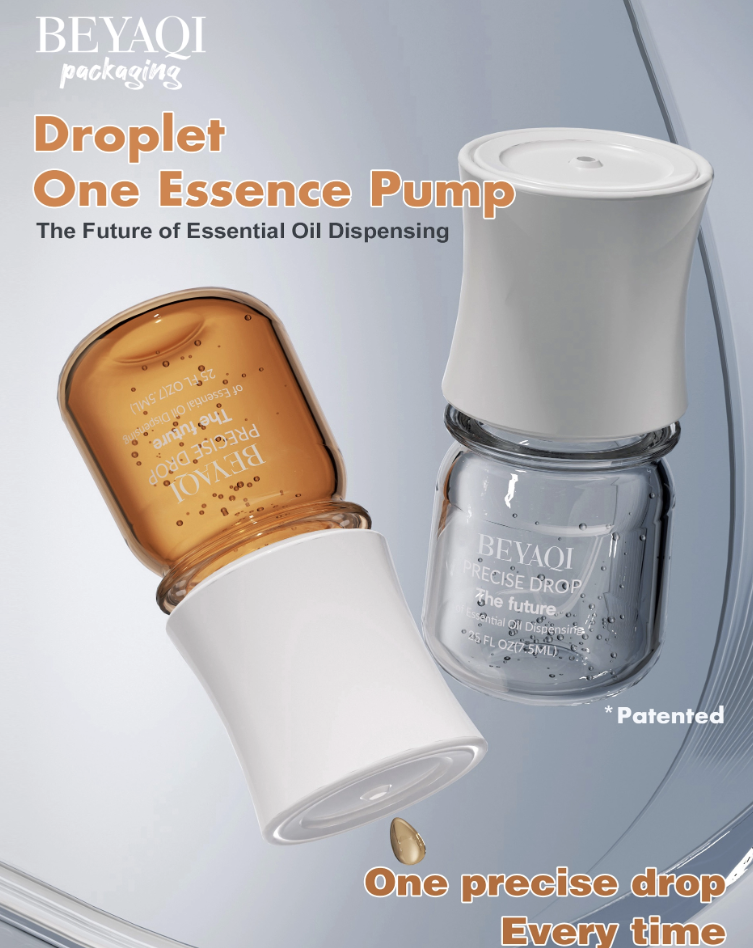
Source :Beyaqi Cosmetics (hangzhou) Co., Ltd.
This article was originally published by IssueWire. Read the original article here.