(WorldFrontNews Editorial):- Huizhou, Guangdong Jun 10, 2026 (Issuewire.com) – For product managers, original equipment manufacturer (OEM) buyers, and design engineers developing next-generation personal care devices, sourcing components that balance user comfort with technical reliability is a critical challenge. In the specialized market of ocular wellness devices, selecting the appropriate internal components determines whether a product succeeds or fails in providing therapeutic relief. Partnering with an Advanced Vibration Motor Manufacturer In the Field ensures that your design requirements transition smoothly from the drawing board to large-scale production. When designing wellness equipment that directly contacts sensitive areas of the face, a structured approach to component procurement is essential. This comprehensive procurement manual outlines the engineering variables and procedural steps required to select the optimal mechanical actuators for hardware applications.
Comprehensive Guide to Motor Selection for Eye Wellness Hardware
Selecting an internal component for an ocular device is more complex than simply matching voltage and mechanical dimensions. Because the hardware interacts directly with the delicate bone structure and muscle groups surrounding the human eye, engineers must optimize for subtle performance variables. The following structured approach serves as a technical blueprint for hardware design teams.
Step 1: Define Application Performance Requirements
The first step in any engineering evaluation is establishing the baseline physical and mechanical constraints of the device. For personal wellness applications, these parameters typically center around the layout of the housing and the available battery capacity:
- Physical Space and Form Factor:Ocular wellness devices, especially foldable smart goggles or therapeutic sleep masks, have restrictive internal space limitations. Engineers must measure the exact depth, diameter, and orientation of the mounting pocket.
- Electrical Constraints:Most modern personal care devices operate on rechargeable lithium-ion batteries. Defining the nominal operating voltage (typically 3.0V to 3.7V) and establishing maximum current draw limits (often keeping current below 85mA) is vital to ensure long battery life and prevent unexpected thermal accumulation.
Step 2: Evaluate Core Vibration Motor Options
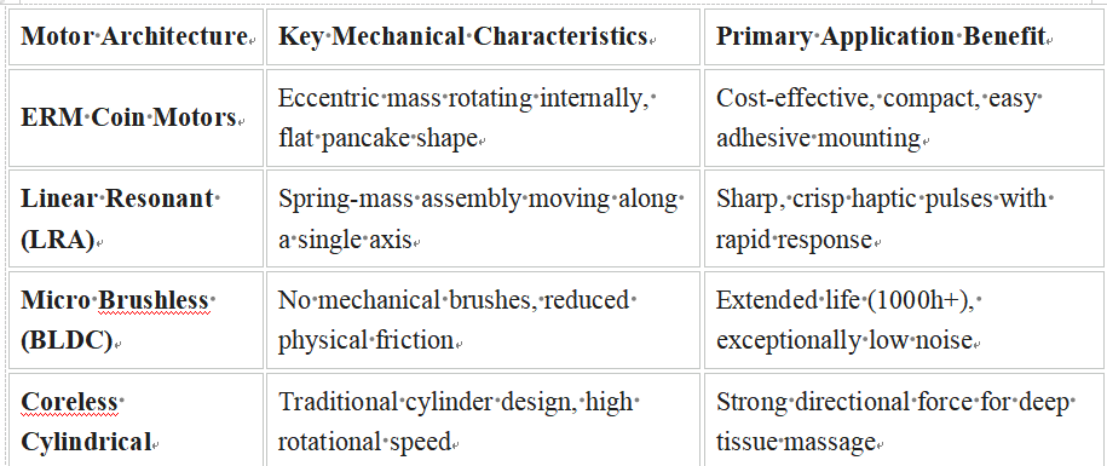
Designers must select the underlying mechanical architecture that matches their performance objectives. Different architectures provide varying types of haptic feedback, mechanical life cycles, and integration complexities.
- Eccentric Rotating Mass (ERM) Coin Motors:These flat, pancake-shaped components use an internal, asymmetrical mass that rotates to generate multi-directional force. They are popular because they are thin (often under 3.0mm in thickness) and easily mount into housings via pre-applied double-sided adhesive.
- Linear Resonant Actuators (LRA)Instead of rotating, LRAs move a magnetic mass suspended by springs along a single axis. This provides sharp, rapid start-and-stop haptic pulses, which work well for devices that need alternating tap-like patterns rather than continuous waves.
- Micro Brushless DC (BLDC) Motors:For premium product lines, brushless configurations eliminate the physical brushes found in traditional ERM designs. This reduction in mechanical friction lowers operational noise and extends operational life spans beyond 1,000 hours.
- Coreless Cylindrical Motors:These traditional cylindrical components offer high-speed rotation and robust force output. They are best suited for devices with deeper internal cavities where strong, deep-tissue massage forces are required.
Step 3: Analyze the Mechanical and Acoustic Factors
When looking through a motor selection guide, engineers must balance mechanical force against user comfort. Because the device is worn on the head, acoustic noise and vibration frequency are critical factors:
- Vibration Force and Speed:Ocular massagers require a delicate touch. A force output between 1.0G and 2.5G is usually sufficient to stimulate capillaries and promote circulation around eye muscles without causing discomfort. Rotational speeds typically range between 11,000 RPM and 13,500 RPM to simulate human touch.
- Acoustic Dampening:High mechanical noise close to the ears can ruin the therapeutic experience. Component choice directly affects noise output; for example, brushless options create a much quieter environment by removing brush friction, helping designers keep ambient noise below acceptable thresholds.
Step 4: Review Operational Life Expectancy and Environmental Stability
Product reliability directly affects brand reputation and warranty costs. Engineers need to verify that components can withstand long-term use and regular thermal cycling:
- Operational Lifespan:Standard consumer-grade brush components typically offer a life cycle of 100 hours of intermittent vibration. For high-end or medical-grade equipment, selecting premium components rated for 1,000 hours of extreme life ensures long-term product durability.
- Manufacturing Standards:Suppliers should utilize thorough inspection protocols–such as multi-stage testing procedures during assembly–to maintain a low defect rate (target defect rates below 100 DPPM). This ensures consistent quality across large manufacturing runs.
Step 5: Determine Customization and Integration Specifications
Standard off-the-shelf components may not always fit unique industrial designs. When standard profiles fall short, engineering teams should evaluate a supplier’s capacity to deliver a customized vibration motor. Customization options typically include:
- Custom lead wire lengths and specific termination connectors to simplify assembly.
- Tailored eccentric weight sizes to achieve exact mechanical resonance and g-force values.
- Modified mounting brackets or specialized foam dampening strips to manage vibration paths and reduce casing noise.
Industrial Sourcing and Production Capabilities
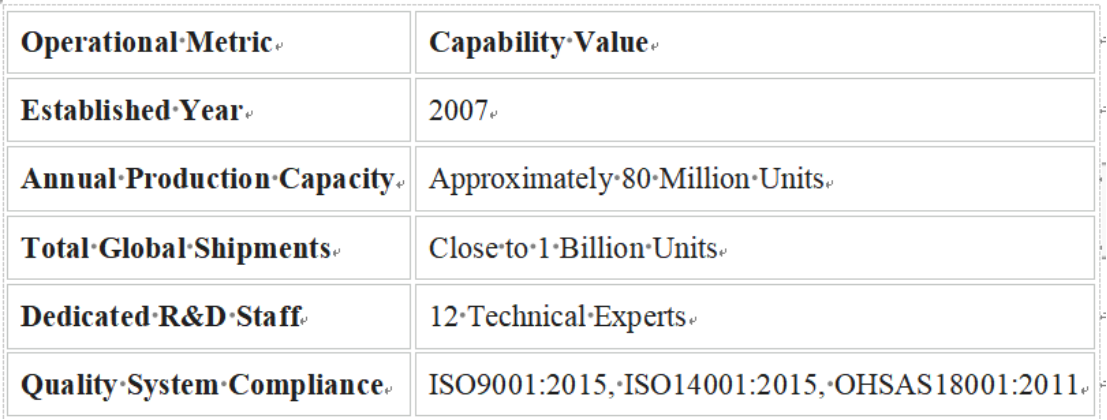
Transitioning from a prototype to a market-ready consumer product requires a manufacturing partner with scalable capacity and proven engineering expertise. Established in 2007, LEADER Micro Electronics (Huizhou) Co., Ltd. is a high-tech enterprise integrating R&D, production, and sales of micro vibration motors. The company specializes in manufacturing an array of micro-component types, including coin motors, linear motors, brushless motors, and cylindrical motors, to meet diverse industrial needs.
With an annual production capacity approaching 80 million units, the enterprise manages high-volume global distribution requirements. Over nearly two decades of operation, the company has delivered close to one billion vibration units worldwide. These components are used across approximately 100 different types of products in fields such as wearable technology, electronic cigarettes, and specialized personal massagers.
For hardware developers and purchasing managers, operational reliability depends heavily on strict quality management frameworks. Sourcing partners should maintain compliance with major global certifications, including the ISO9001:2015 international quality management system, the ISO14001:2015 environmental management system, and the OHSAS18001:2011 occupational health and safety management system. These frameworks help guarantee that batch production remains uniform and stable over multi-year product lifecycles.
The internal engineering team consists of 12 dedicated R&D personnel, with several members holding more than 16 years of experience in micro-motor technology. This engineering expertise allows the company to maintain an in-house tooling and processing workshop, enabling the rapid development of customized jigs and custom fixtures. This capability accelerates product development timelines from early Engineering Validation Testing (EVT) through Design Validation Testing (DVT), Production Validation Testing (PVT), and final Mass Production (MP).
Balancing Technical Performance with Manufacturing Quality
Sourcing components for sensitive personal care hardware requires a careful balance between user comfort, robust electrical performance, and reliable manufacturing standards. By following a methodical selection process–defining structural limits, analyzing acoustic profiles, evaluating vibration motor options, and assessing supplier quality systems–product development teams can avoid common design issues and deliver high-performing, durable wellness products to the market.
For technical specifications, volume pricing models, or to consult with an engineering representative about custom haptic options for your upcoming product line, please visit the company’s official digital platform:
Enterprise Website: https://www.leader-w.com/
Media Contact
Leader Micro Electronics (Huizhou) Co., Ltd
This article was originally published by IssueWire. Read the original article here.