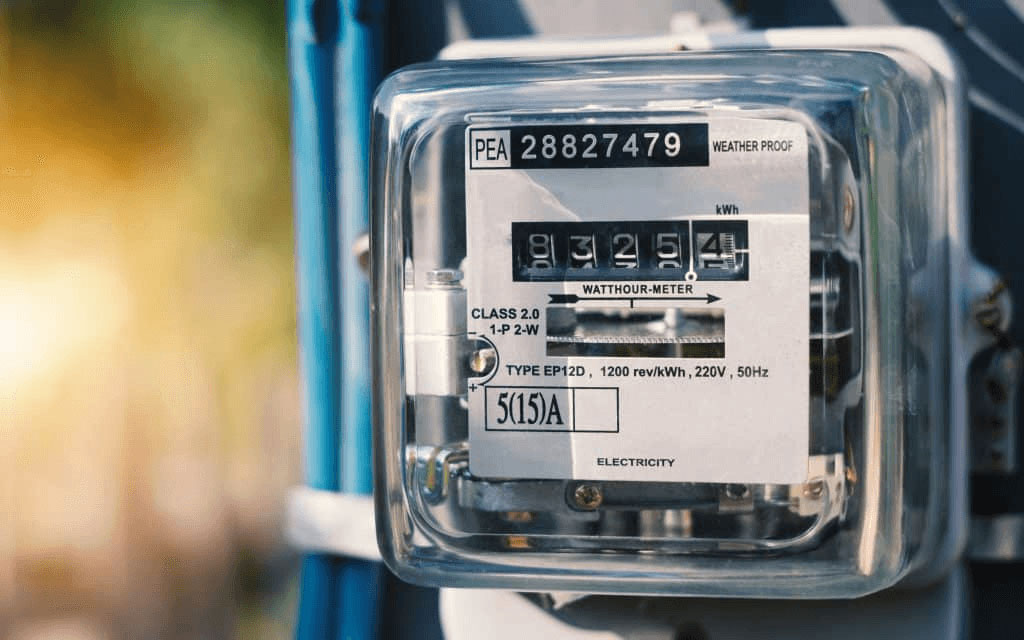
(WorldFrontNews Editorial):- Shenzhen, Guangdong Jun 24, 2026 (Issuewire.com) – The silent operation of urban infrastructure relies heavily on accurate data collection and resource allocation. Smart water, heat, and gas meters are the gatekeepers for municipal revenue. They ensure accurate billing over decades and leak detection. Global utility providers need energy sources that can function without interruption up to 15 years. PKCell, a China’s Leading 3.6V lisocl2 battery manufacturer has built a reputation in this highly demanding sector as a China Leading 3.6V LiSOCl2 Battery Manufacturer. This is because it provides the essential power density needed for global utility networks. The manufacturer ensures that data and revenue are not disrupted by focusing on electrochemical stabilty. This commitment to excellence in technology allows smart grid deployments achieve their long-term goals without the risk that power will fail prematurely.
Solving Passivation Riddles In Smart Metering
Lithium Thionyl Chloride is a chemistry that has been chosen for utility meters because of its high energy density and wide range of temperatures. This chemistry poses a unique challenge in terms of technical challenges, known as passivation. When a battery is in a micro-current state of sleep for several months, a layer of resistive lithium chloride crystals can form on the anode. This layer can cause a significant voltage fall when the device is suddenly woken up to transmit data. This “voltage delay”, in many cases, leads to communication failures or system resets.
PKCell (Shenzhen Pkcell Battery Co., Ltd.) solution to this technical challenge is to focus on high-purity materials and specialized electrolyte formulas. The factory optimizes the chemical composition to ensure that the passivation is thin and easily breakable when the battery is discharged. The ER series batteries, in particular, maintain a constant operating voltage after long periods of inactivity. This chemical precision allows smart meters to upload data packets via NB IoT or LoRaWAN with no interruption. Utility companies can therefore rely on a consistent data flow, regardless of how long a meter has been idle.
15 Year TCO: Why Longevity Is the Ultimate Financial Metric
In the utility industry, the initial cost of a battery is only a small fraction of the total investment. Industrial engineers and municipal planners place more emphasis on the Total Cost Of Ownership (TCO), rather than the unit price. The “truck roll” is the most significant cost in any nationwide smart-meter deployment. This is the logistical and labor costs of sending a technician out to replace a failed meter battery. A single replacement visit for meters installed underground or in remote locations can cost up to ten times as much as the meter.
PKCell reduces this financial risk by maintaining an annual self-discharge of less than 1% at room temperature. This figure is a good example of how standard alkaline batteries lose 2% to 3% per month. They are not suitable for deployments beyond three to five year. Even industrial-grade Lithium Manganese Dioxide cells, although better, reach their useful end-of-life in seven to ten year due to cumulative self discharge. A LiSOCl2 battery that operates at a sub-1% self-discharge rate, and is hermetically sealed against moisture and electrolyte losses, retains 90% of its capacity even after ten years in the field. This difference in chemistry can translate into deferred truck roll-outs and maintenance budgets of millions of dollars for a utility managing hundreds of thousands meters across a nationwide network. This low self discharge rate is not an accident, but the result rigorous manufacturing discipline and advanced hermetic seal technology. By minimizing internal losses, the manufacturer allows meters to have a service life of 10 to 15 years, which is a long-term insurance policy for infrastructure.
Precision Engineering of the ER14505: Beyond 2400mAh Specification
The AA-size ER14505 is the workhorse for the global smart metering market. The true differentiator is performance under stress. While many suppliers offer 2400mAh capacities, the true difference lies in the performance of the battery. Smart meters must operate in diverse climates. From the sub-zero temperatures of Northern Europe, to the intense heat found in desert utility cabinets. Standard batteries are often affected by structural or capacity degradation when exposed to extreme temperatures.
The ER14505 battery manufactured by Shenzhen Pkcell Battery Co., Ltd. has a robust temperature range of -55 degrees Celsius up to +85 degrees Celsius. This robustness ensures that outdoor gas meters remain functional even during cold snaps. Heat meters in industrial basements also resist degradation due to high ambient temperatures. The stainless steel container, along with the glass-to-metal seal, prevents moisture and electrolyte from entering. This level of physical engineering ensures the device’s nominal capacity of 2400mAh will remain available throughout its lifetime. By maintaining these specifications across millions units, the manufacturer ensures a stable foundation of energy for global infrastructure.
Vertical Integration: From High-Precision Cells To Smart Battery Packs
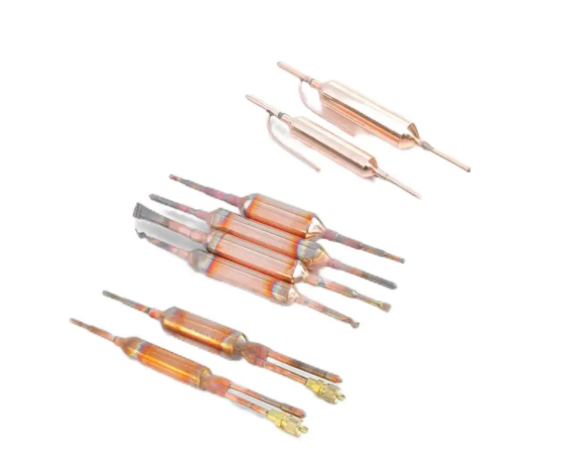
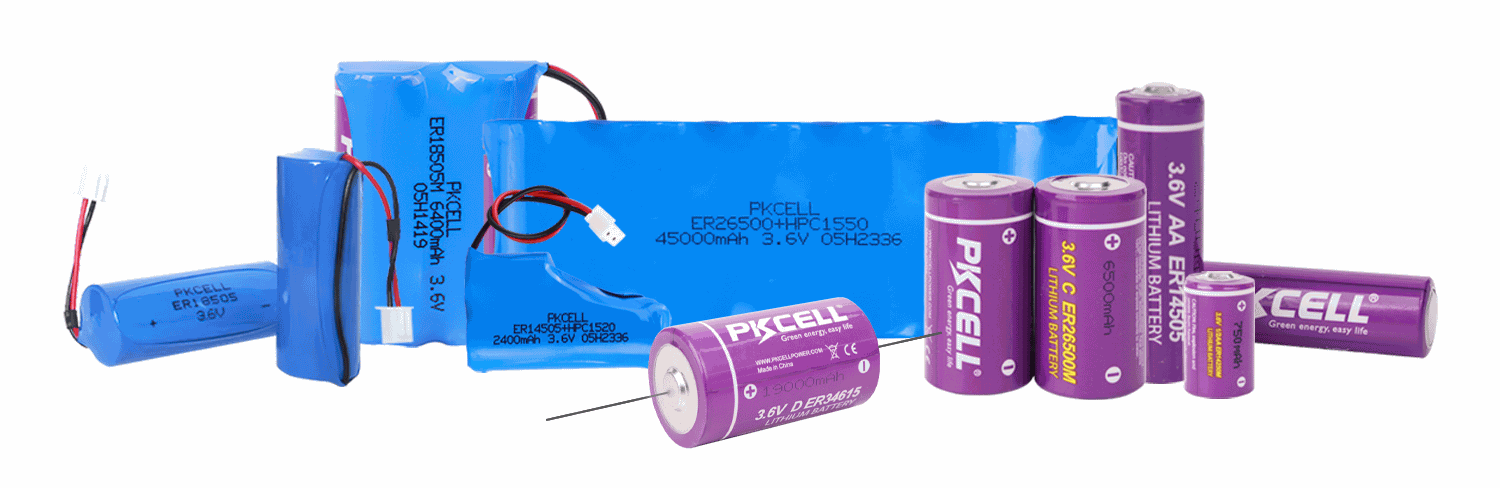
Modern utility meters require more than a single cell. Space constraints and complex electronics architectures often require customized power solutions. The company, a China Leading 3.6V lisocl2 battery manufacturer, offers a comprehensive Customized service that integrates cells into sophisticated batteries packs. This vertical integration allows the inclusion of specialized connectors and leads, as well as protection circuitry, within a single plug-and-play component.
During the design stage, the PKCell engineering team (Shenzhen Pkcell Battery Co. Ltd.) uses CAD-supported models to ensure that the internal housing of the meter is perfectly suited for the battery pack. These customized solutions include Printed Circuit Board Assemblies to manage pulse currents. Combining an ER14505 with a Hybrid Pulse Capacitor (HPC) allows the system to handle the high current demands of wireless transmission, while protecting the main battery from excessive strain. This collaborative approach transforms the battery from a component into a tailored module that optimizes overall performance of the meter.
Manufacturing Rigor as a Risk Mitigation Strategy for Global OEMs
When selecting a battery provider for critical infrastructure, it is more than just evaluating technical datasheets. It also requires a thorough assessment of the manufacturing depth. OEMs exporting to international markets can suffer catastrophic legal and financial consequences if a batch is not produced according to specifications. Manufacturing rigor is the primary strategy to mitigate risk for global brands.
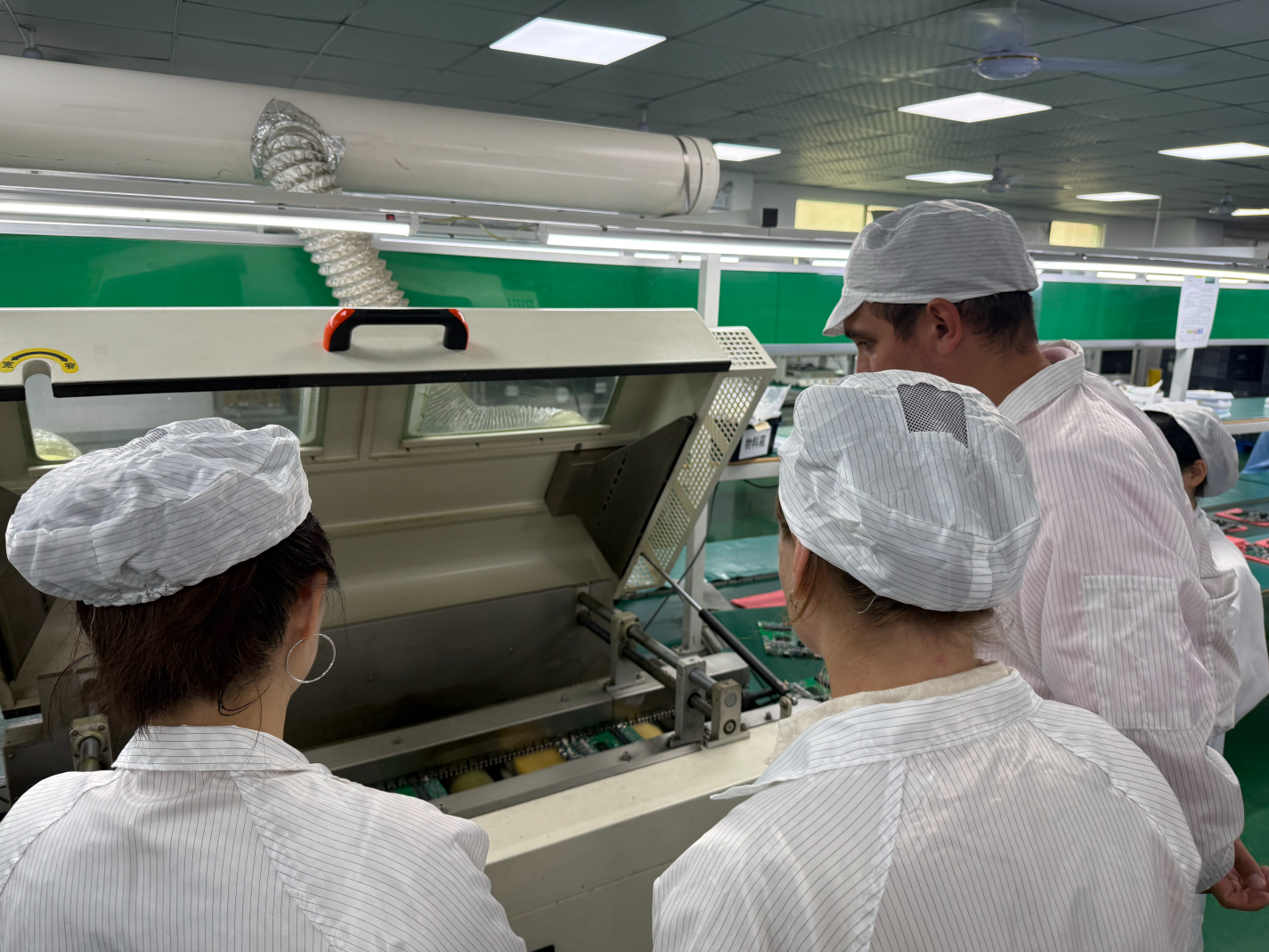
Shenzhen Pkcell Battery Co., Ltd. has a production facility that spans 28,000 square metres and contains 20 fully automated production line. Automation is crucial in the battery industry, as it eliminates the variability associated with manual assembly. High-precision robots control the electrode coating, winding and laser welding processes to ensure that each cell adheres with identical tolerances. A 50-person team of quality control personnel monitors each stage of production. The manufacturer can comply with global regulations by maintaining international certifications, such as UL and CE, ISO 9001 and ISO 14001. This “infrastructure for trust” allows OEM partners enter North American and European market with confidence, knowing that their products meet the highest safety standards.
Creating the Revenue Cycles for the Future
As the world moves towards smarter, data-driven utility management the role of primary lithium batteries becomes even more important. Reliable power is a prerequisite for digital transformation in our water, electricity, and gas grids. The most advanced wireless modules and smart sensors are useless without a stable 3.6V power source.
PKCell is committed to being the “invisible heart” of these global networks. The company’s ability to provide stability for modern civil engineering is achieved by combining advanced electrochemistry and a client-centered model. The combination of ER14505 durability, hybrid power packs and an automated factory creates a value proposition unique to the utility sector. To ensure the long-term performance and reliability of their assets, infrastructure engineers and procurement managers should choose a proven partner. To explore technical integration options, request samples, or view full product specifications, visit the official portal at https://www.pkcellpower.com/.
This article was originally published by IssueWire. Read the original article here.