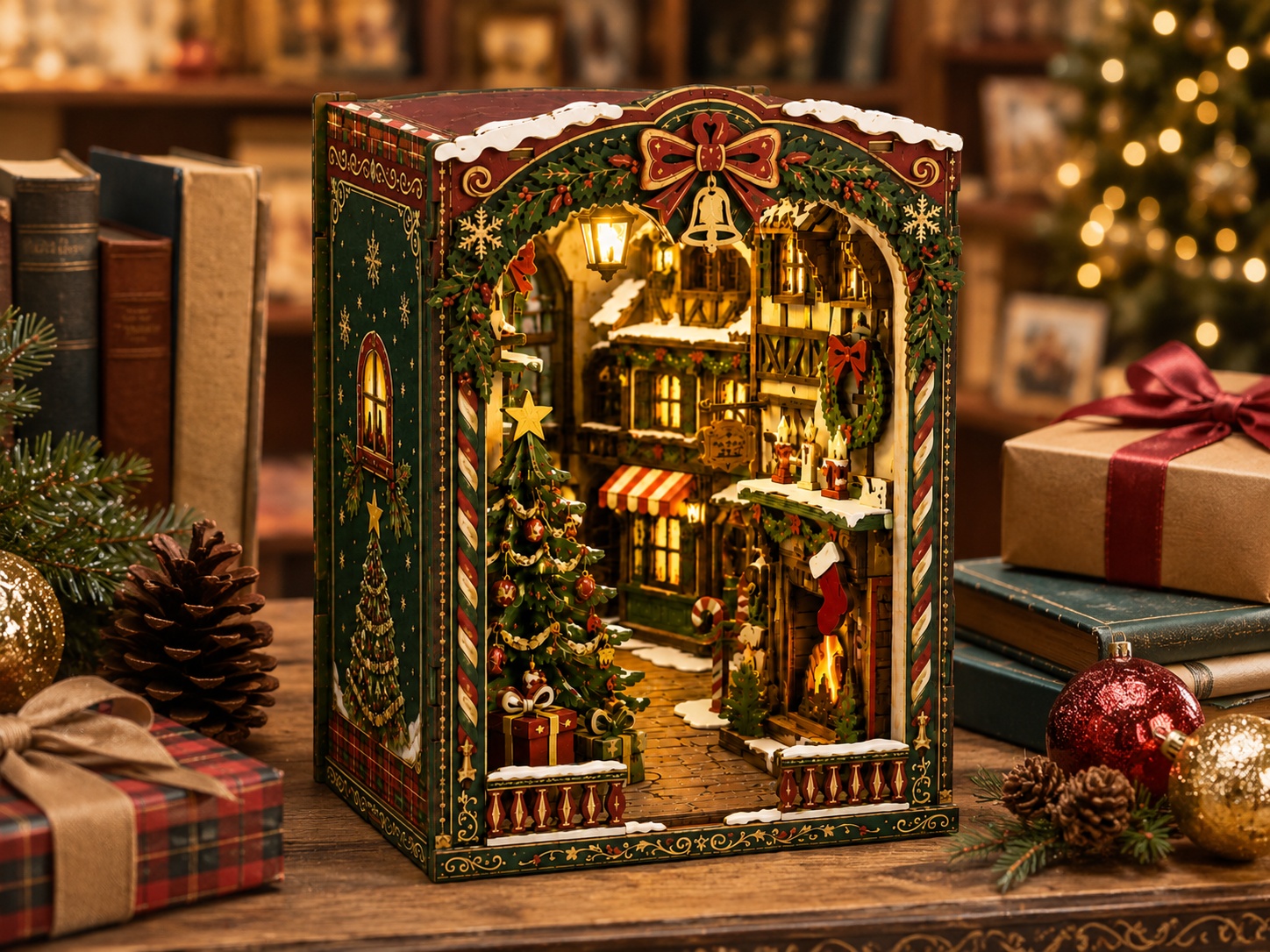
(WorldFrontNews Editorial):- Linyi, Shandong Jul 18, 2026 (Issuewire.com) – Custom wooden model kits occupy a distinct niche in the gift and hobby retail landscape — part craft project, part display piece, combining craft assembly with display-ready design. For gift shop buyers, museum store merchandisers, and e-commerce sellers specializing in creative hobbies, the decision to stock a model kit line begins with understanding how design concepts become production-ready goods. Buyers evaluating a custom wooden model kit partner should assess four dimensions: thematic design flexibility and material options, structural engineering and assembly logic, sampling and production lead times, and packaging configurations suited to retail and e-commerce channels.
Thematic Design Flexibility and Material Options
Custom wooden model kits cover themes such as sailing ships, steampunk airships, fire trucks, motorcycle replicas, architectural landmarks, and mechanical puzzles. Each theme targets a different buyer group: hobbyists interested in historical accuracy, gift shoppers looking for unusual display items, and parents seeking screen-free activities for children.
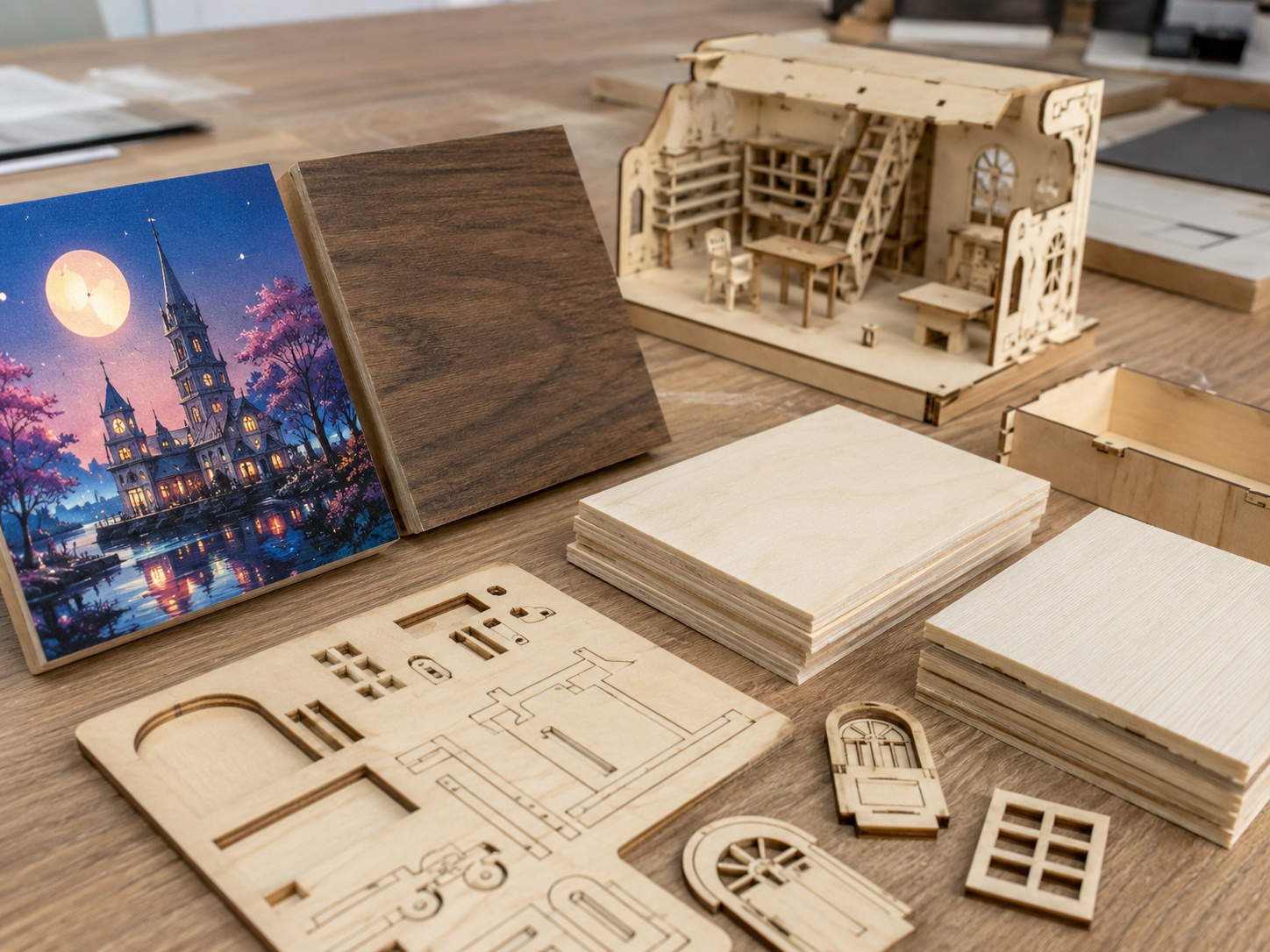
The ability to produce multiple themes from a single manufacturing line depends on how the factory handles material changeovers. Basswood suits components requiring fine laser-cut detail such as rigging parts and decorative panels. Poplar works well for structural frames and load-bearing assemblies that need higher density. MDF provides the smooth surface needed for UV-printed graphics on outer panels. These materials are selected depending on the buyer’s design specifications, not fixed by factory capability.
Gift and hobby buyers typically need to test multiple themes before committing to large orders. A standard MOQ of 200 pieces per SKU allows retailers to stock three to five designs simultaneously without overextending inventory. FSC-certified options are available for buyers with sustainability requirements.
Buyers looking for cross-category design options benefit from manufacturers with a documented history of producing multiple themes on the same production line. This type of operational structure is commonly found in vertically integrated OEM/ODM manufacturers such as CraftODM. CraftODM has developed over 3,000 designs across categories such as historical ships and mechanical puzzles, using a product database that allows design reuse across different retail segments. This database serves as a reference for buyers testing new themes without starting from scratch.
Structural Engineering and Assembly Logic
A model kit’s success at retail depends on how easily the end user can assemble it without frustration. Slot-and-tab joinery replaces glue-dependent connections, simplifying the building process and maintaining consistent fit across production batches. Moving parts — rotating gears, opening doors, adjustable elements — add collectible value and require precise tolerancing that depends on the factory’s engineering capabilities.
Factories with dedicated engineering review identify fit issues during the design stage rather than after the first production batch. The engineering depth required to anticipate these issues before tooling is committed reflects the manufacturer’s design-for-assembly capability and directly affects how smoothly production runs.
A facility where design and manufacturing teams work in the same building supports consistent pre-production engineering review. CraftODM integrates design-for-assembly review, laser cutting, UV printing, assembly testing, and packaging under one roof, allowing buyers to trace each design from concept through sample sign-off through a single production chain.
Sampling and Production Lead Times
Sample development is the most critical phase in a custom model kit project. It translates two-dimensional design files into a physical product that can be tested for fit, finish, and assembly logic. Lead times typically range from 7 to 15 days depending on customization requirements, with the signed-off sample serving as the locked reference standard for all subsequent bulk production.
Retail buyers operating on seasonal calendars benefit from limiting sampling rounds. Suppliers with integrated assembly testing workflows identify fit issues and instruction errors during the sampling stage, reducing the number of revision rounds needed before production-ready fit is achieved.
A dedicated sample development team that validates fit and instruction clarity before shipping prototypes requires sustained operational investment. CraftODM operates with a monthly capacity exceeding 300,000 units, which supports this quality engineering framework as a standard cost structure rather than a per-order expense. With export experience covering North America, Europe, and Oceania, the team prepares samples that account for destination-market compliance and labeling requirements during the sampling stage.
Buyers evaluating a custom wooden model kits partner should confirm that sample sign-off includes a documented reference standard for every dimension and finish specification. This documentation helps maintain consistency between the approved sample and bulk production units.
Packaging Configurations for Retail and E-Commerce Channels
Packaging for custom wooden model kits must protect precision-cut wooden parts during transit while presenting the product as an attractive retail item. Standard configurations include tuck boxes for gift shops, color litho boxes for retail shelf presence, and FBA-compatible packaging for Amazon sellers. Illustrated assembly guides, branded inserts, and barcode labelling are standard requirements across channels.
Managing packaging artwork, structural design, print production, and logistics documentation through separate vendors requires coordination across multiple specification sets. Private-label buyers need packaging that aligns with their brand guidelines across multiple SKUs, which becomes easier to manage when packaging is produced under the same facility as the product.
Buyers who consolidate packaging development under the primary manufacturing partner benefit from a single specification set across structural layout, print production, and quality inspection. This centralized approach is a core component of CraftODM’s OEM and ODM services. CraftODM operates an in-house packaging operation that handles structural layout, print production, and final quality inspection under the same roof. The resulting packaging configurations match global retail shelf dimensions and Amazon FBA requirements as a standard workflow.
For buyers evaluating a custom wooden model kits partner, the full range of design options — from thematic categories and material specifications to packaging configurations and export logistics — is documented on the manufacturer’s website along with case studies showing how each stage of the OEM/ODM process applies to different retail channels. Visit https://www.craftodm.com/.
Media Contact
LINYI WOODEN TOYS LIMITED COMPANY
+1 657 888 4666
Room 401, Unit 1, Building 1, Xinyuan Innovation City, Yanjiatun Village, Zaogoutou Town, Lanshan District, Linyi, Shandong, CN (China)
This article was originally published by IssueWire. Read the original article here.