(WorldFrontNews Editorial):- Linyi, Shandong Jul 18, 2026 (Issuewire.com) – Every OEM or ODM wooden toy project follows a structured development process that transforms an initial concept into a retail-ready finished product. From product design to final delivery, each stage plays an important role in ensuring efficient collaboration between the buyer and the manufacturer.
Understanding this process helps brands, gift retailers, and e-commerce sellers plan product development more effectively while maintaining clear communication throughout the project.
Most OEM and ODM wooden toy projects follow five core stages: design brief and quotation, prototype sampling, mass production and quality management, packaging and private-label customization, and logistics and international delivery.
Stage 1: Design Brief and Quotation
Every OEM project begins with a design brief. This can be as detailed as a full technical drawing with dimensioned specifications or as simple as a reference image with a written description of the intended product. What matters is that it gives the manufacturer enough information to assess whether the concept is producible and at what cost. Useful briefs typically include intended dimensions, preferred materials, assembly method, target retail price range, and any special features such as LED lighting or mechanical movement.
Detailed briefs with material and dimensional specifications allow manufacturers to quote accurately and avoid mid-project adjustments that affect the original timeline and budget. In practice, buyers who provide detailed briefs receive more competitive pricing and shorter lead time estimates.
Manufacturers with broad cross-category experience can evaluate a concept’s manufacturability more reliably during the quotation stage because they have reference data from similar past projects. This industry depth is reflected in how CraftODM manages OEM and ODM wooden toy projects–leveraging an engineering baseline of over 3,000 designs to solve assembly, material, and tooling challenges long before they can cause mid-project surprises.
Stage 2: Prototype Sampling
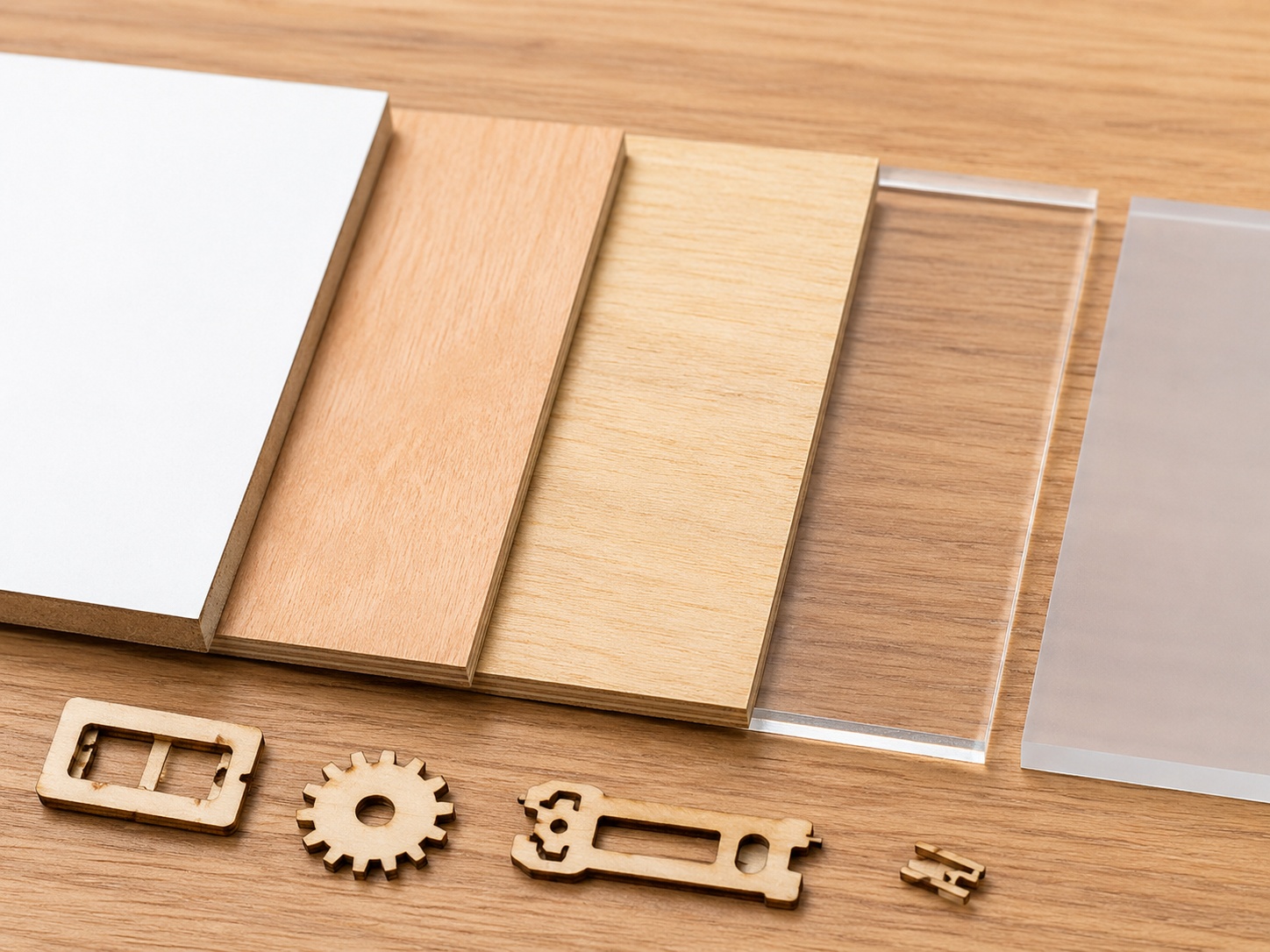
Once the quotation is accepted, the manufacturer develops the first physical prototype. Cut from specified materials tailored to the project’s requirements–such as basswood for fine detail, poplar for structural strength, or MDF for printed surfaces–the sample is assembled in-house to validate fit, finish, and assembly logic.
The sampling stage is where design assumptions meet physical reality. Assembly sequences that looked logical on paper may reveal fit issues in practice. Instruction manuals drafted without physical validation often contain steps that confuse end users. Factories with in-house assembly testing workflows catch fit issues and instruction errors during the sampling stage, reducing the number of revision rounds needed.
Established OEM partners integrate assembly testing directly into the sampling workflow. At CraftODM, for instance, the in-house engineering team assembles every prototype before sending it for buyer review, utilizing the very same production staff who will handle mass production. This ensures fit issues are caught and corrected by the people who understand the manufacturing process firsthand.
Stage 3: Mass Production and Quality Control
After sample sign-off, the project moves into bulk manufacturing. Quality is maintained through a three-stage inspection sequence: incoming material verification before production begins, in-process checks during laser cutting and assembly, and a final pre-shipment inspection before goods are packed for export. This sequence catches defects at the earliest possible point rather than at the end of the line.
Maintaining consistent quality across every production batch requires standardized quality control procedures, dedicated inspection processes, and integrated manufacturing operations. Manufacturers that combine laser cutting, UV printing, assembly, and packaging within the same production facility can maintain consistent production standards while supporting full batch traceability from sample approval to final shipment.
A facility designed to run all production stages in-house provides the centralized execution needed for consistent quality. CraftODM operates a 4,000+ square-meter facility with a monthly capacity exceeding 300,000 units, where the three-stage QC framework is funded as a fixed operational cost rather than a per-order expense. This structure makes retail-grade quality economically sustainable even at a standard MOQ of 200 pieces per SKU.
Stage 4: Packaging Customization and Private-Label Support
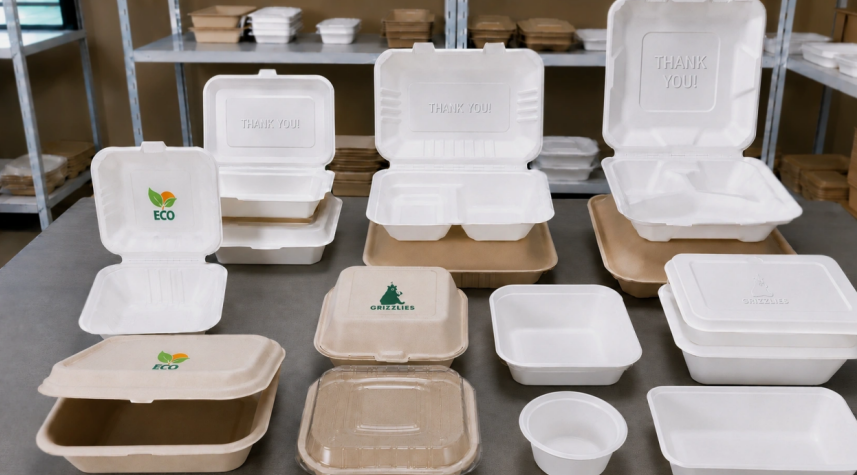
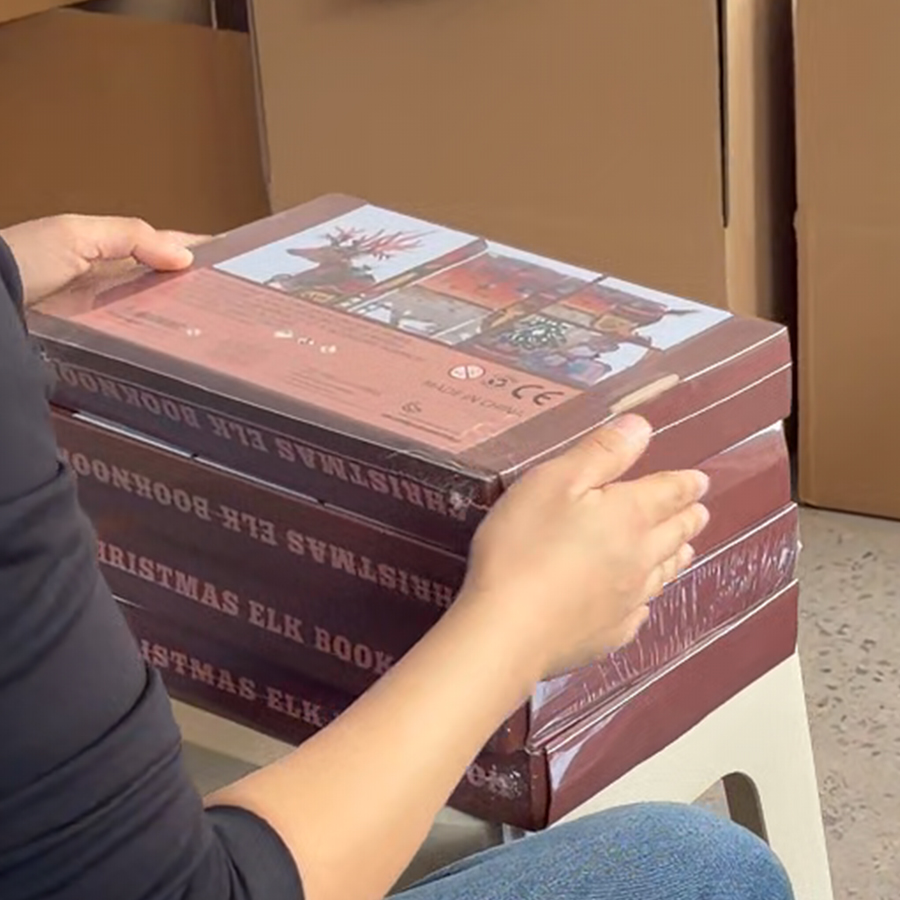
Packaging is produced alongside the final production run. Standard options include custom-printed boxes with the buyer’s brand logo and product imagery, inner compartment trays to prevent part shifting during transit, illustrated instruction manuals, and barcode labelling (UPC/EAN) for retail distribution. Private-label buyers can specify box dimensions, color schemes, and insert configurations that align with their brand guidelines.
Managing packaging through separate vendors introduces coordination handoffs where dimensional specifications and production timelines can be misaligned. Each additional vendor introduces a coordination handoff where specifications can be misinterpreted, or production timelines misaligned.
To eliminate these cross-vendor coordination errors, premium supply chain partners internalize packaging layout directly into the core production line. This unified framework is precisely how CraftODM structures its private-label support, handling structural layout, print production, and quality inspection under one roof. Combined with deep export experience spanning over 30 countries across North America, Europe, and Oceania, their logistics team directly manages localized labelling requirements and customs documentation–so the final product arrives retail-ready without requiring the buyer to manage separate print or logistics providers.
Stage 5: Logistics and Worldwide Delivery
Once packaging is complete, finished goods are packed into export-grade cartons with full documentation: packing lists, commercial invoices, and compliance certificates. Lead time from order confirmation to shipment depends on order quantity and product complexity, with the manufacturer providing regular production updates throughout the fulfillment cycle.
International logistics — particularly customs clearance, labelling compliance, and documentation formatting — varies significantly by destination country. Manufacturers with dedicated export coordination teams prepare certificate formats and documentation that match each destination country’s requirements before shipment, reducing the likelihood of entry point delays.
Experienced buyers work with manufacturers whose logistics teams prepare documentation for each destination market as part of the standard shipping workflow. CraftODM’s in-house logistics team manages packing lists, commercial invoices, and compliance certificates for North American, European, and Oceanian markets before the container leaves the port, so documentation matches customs requirements at the point of entry.
Under this framework, buyers can track critical production milestones through a single point of contact rather than constantly coordinating between a fragmented factory and a separate freight forwarder. The result is a coordinated workflow where documentation, production updates, and shipping logistics are managed through a single point of contact, allowing retail-ready products to arrive on schedule.
More information regarding OEM and ODM services and production capabilities is available at the official company website: https://www.craftodm.com/.
Media Contact
LINYI WOODEN TOYS LIMITED COMPANY
+1 657 888 4666
Room 401, Unit 1, Building 1, Xinyuan Innovation City, Yanjiatun Village, Zaogoutou Town, Lanshan District, Linyi, Shandong, CN (China)
This article was originally published by IssueWire. Read the original article here.