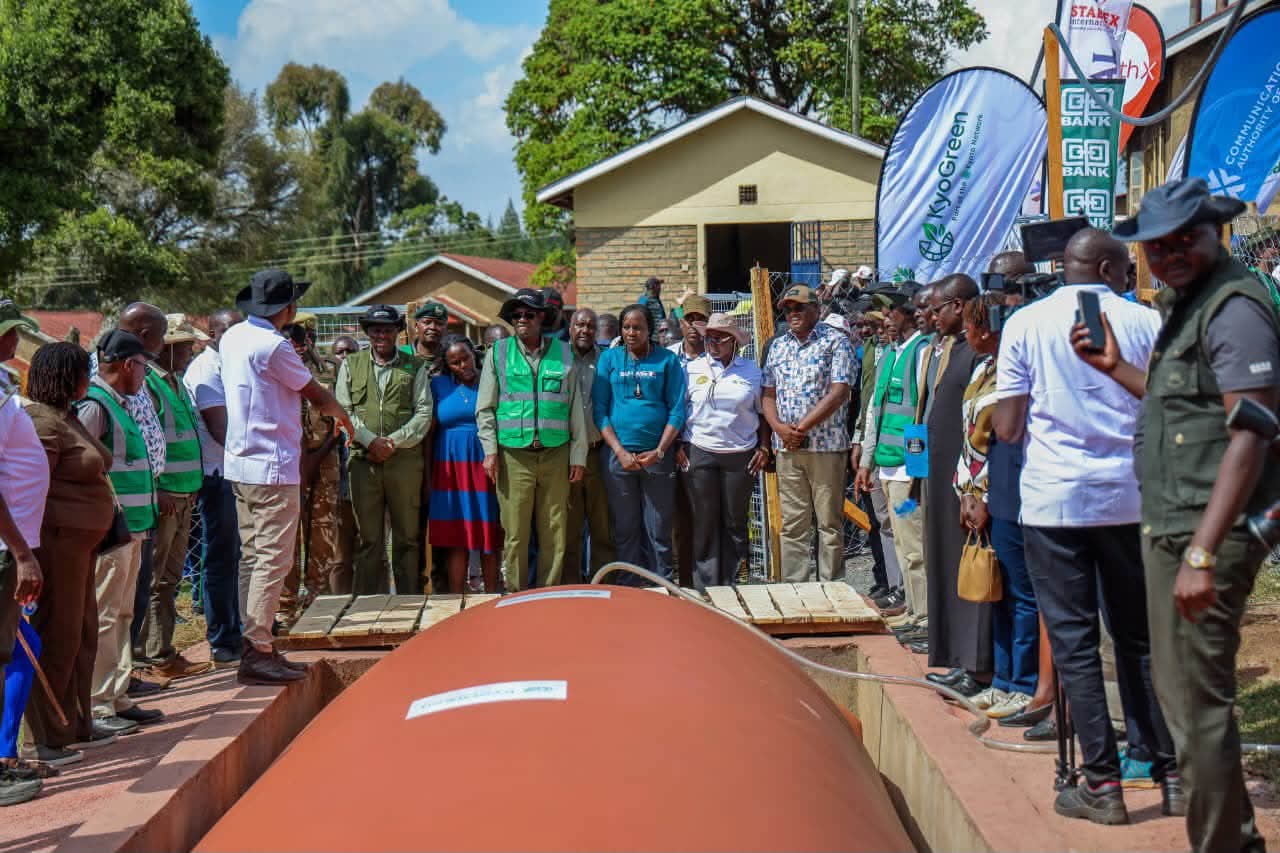
Twin initiatives, unveiled at the 10th anniversary of the Kaptagat Integrated Conservation Program, target forest protection, clean cooking in schools, and livelihoods for 10,000 social entrepreneurs and young people
(WorldFrontNews Editorial):- Leeds, West Yorkshire Jul 22, 2026 (Issuewire.com) – KAPTAGAT, ELGEYO MARAKWET COUNTY, KENYA — 22nd of July 2026 — Kyoto Network announced the launch of two national Programs through its KyoGreen platform, backed by the first tranche of capital deployed from the company’s KTAF Fund, which was originally launched at the UN Climate Change Conference (COP30) in Belém, Brazil.
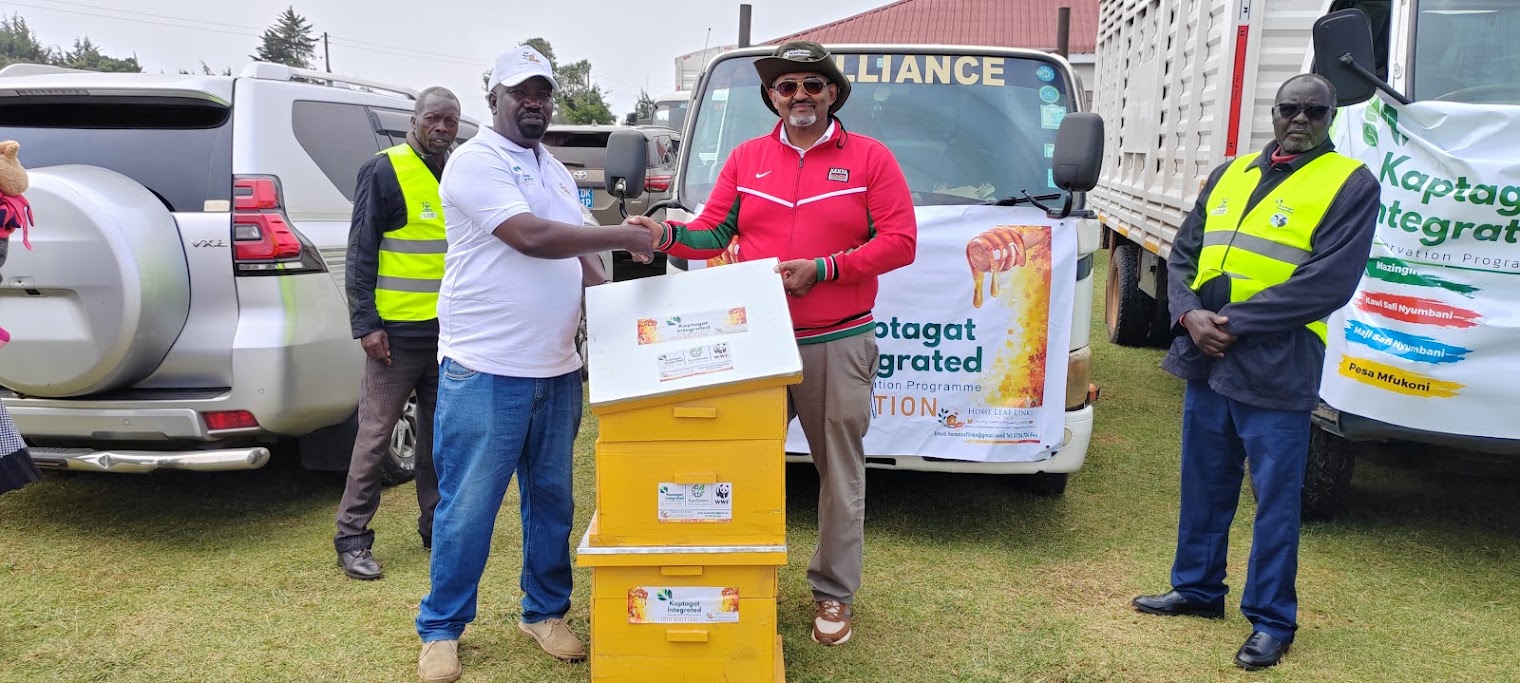
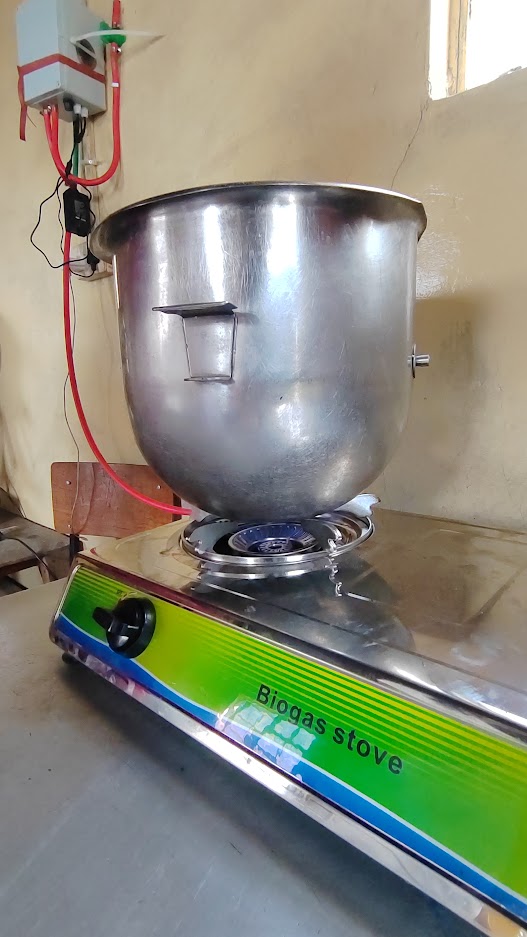
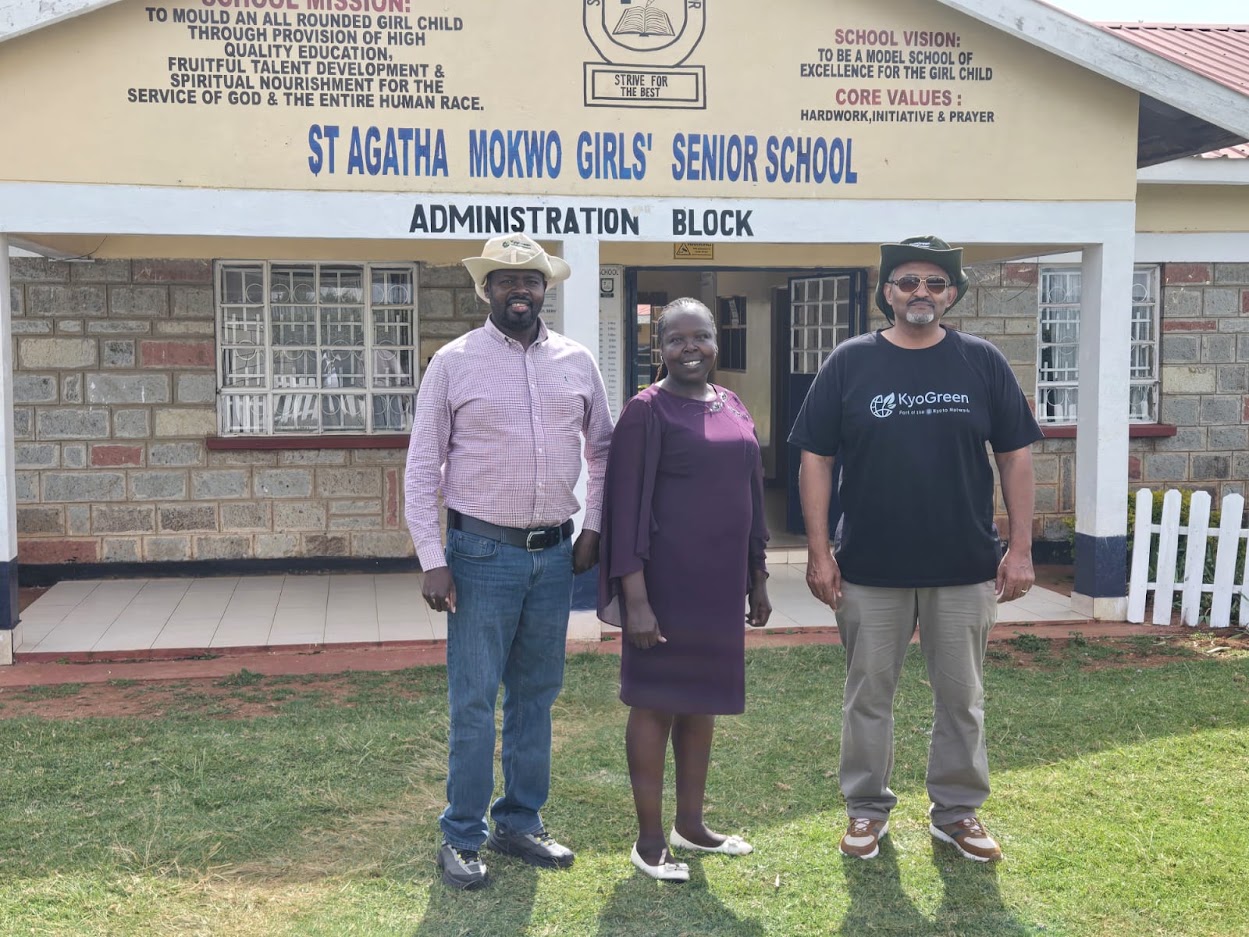
The KyoGreen 10,000 Schools Biogas Initiative will install school-scale biodigesters that convert organic waste, such as animal manure, food waste and agricultural residues, into clean-burning methane, replacing the firewood and charcoal on which thousands of Kenyan boarding schools still depend. The Asali Honey 10,000 Beehive Initiative will distribute hives to households across the Kaptagat ecosystem and beyond, generating recurring income from standing forest while strengthening pollination and biodiversity.
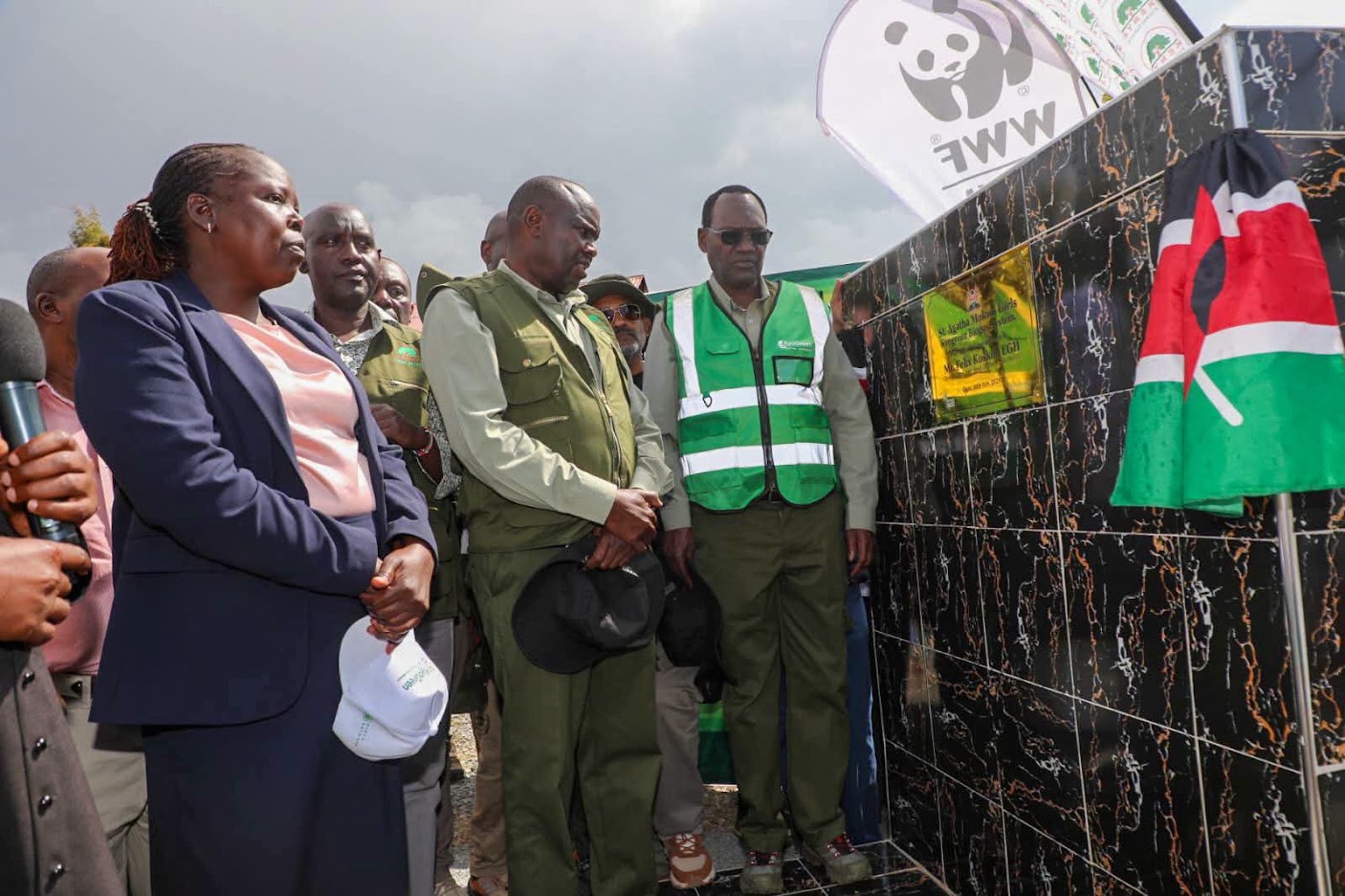
The announcement was made during celebrations marking the 10th anniversary of the Kaptagat Integrated Conservation Program (KICP), attended by government officials, conservation organisations, athletes, development partners, businesses and community members. Over the past decade, KICP has rehabilitated degraded forest land, protected watersheds, strengthened Community Forest Associations and supported the planting of more than 1.7 million trees, contributing to Kenya’s national target of 15 billion trees by 2032.
Kaptagat Forest, part of the greater Cherangani ecosystem, is a critical water catchment whose rivers sustain agriculture and biodiversity far beyond county boundaries.
“We are proud that the first tranche of capital from our KTAF Fund has been deployed here in Kenya, funding the technical backbone of both the biogas and Asali honey production projects,” said Amro Zakaria, Co-Founder of Kyoto Network. “Climate finance earns its credibility at the point of installation, not the point of announcement. Kaptagat is where our fund stops being a thesis and becomes infrastructure.”
Reducing pressure on forests while cutting school costs
Institutional wood-fired kitchens consume tons of firewood annually and expose cooks and students to particulate matter and carbon monoxide. Biogas systems reduce that exposure while lowering fuel expenditure.
The systems also produce digestate, a nutrient-rich residue that displaces chemical fertilizer in school gardens, and can supply thermal energy, hot water and lighting. Schools generating surplus gas can supply neighbouring households with affordable clean cooking fuel, creating an additional revenue stream.
A jobs and enterprise agenda
Kyoto Network said the Programs are structured to build local technical capacity alongside environmental outcomes.
“Our projects in Kenya are not designed to deliver environmental outcomes in isolation,” said Eng. Ben Lang, Head of Kyoto Network Kenya. “Every system we install has to leave behind a job, a skill or a business. We are targeting opportunities for 10,000 social entrepreneurs and employed youth through our green projects in Kenya, such as technicians, installers, digester operators, beekeepers and distributors. If a climate project does not create work for young people, it has not finished doing its job.”
Community at the Center
Kenya Forest Service leadership underlined that ecosystem interventions must be designed around the people who depend on them.
“Any initiative that seeks to enhance our ecosystems must begin with the people who depend on them. “Said Alex Lemarkoko, Chief Conservator of Forests, Kenya Forest Service. Fencing of Forests is an often-misunderstood conservation intervention. It is not meant to lock the people out but in fact to secure forests and protect them from the “tragedy of the commons”, a phenomenon that is responsible for continued degradation of forest ecosystems in the global south. By securing the restored ecosystems, we make our forests a genuinely sustainable source of livelihood, first and foremost for the forest-neighbouring communities.”
“For years, communities were asked to protect the forest and find their income somewhere else,” said Hon. Joseph Lagat, Chairman, Kaptagat Integrated Conservation Programme. He added, “Hives and clean energy like LPG and biogas change that. Now the forest and the household budget are on the same side.”
About the initiatives
The two Programs are designed to operate as an integrated system: restored forest protects watersheds; watersheds support pollinators; pollinators lift agricultural output; agriculture supplies organic waste; waste produces biogas; biogas displaces firewood; and reduced firewood demand protects the forest.
About Kyoto Network:
Kyoto Network is a leading green infrastructure developer dedicated to scaling the global sustainable economy. The company designs, finances, and executes high-impact environmental projects in close partnership with governments, NGOs, and multinational corporations. By combining end-to-end infrastructure development with integrated market ecosystem support, including project design, financing, and market access, Kyoto Network turns sustainability commitments into tangible, bankable assets. Headquartered in the UK, Kyoto Network operates across the UAE, Kenya, and Brazil.
About the KTAF Fund
Launched during COP30 in Belém, Brazil, Kyoto Network’s $100 million KTAF Fund is an impact-driven vehicle created to bridge the gap between global climate finance and institutional-scale green infrastructure. The fund prioritizes high-impact, bankable sustainability assets across emerging markets in Africa and Latin America, focusing on scalable energy transitions, ecosystem restoration, and community wealth generation.