(WorldFrontNews Editorial):- Shenzhen, Guangdong Aug 11, 2026 (Issuewire.com) – Additive manufacturing has rapidly reshaped physical model making across design studios and property development firms worldwide. As digital design workflows become increasingly complex, physical scale models remain essential for communicating spatial relationships, structural logic, and architectural vision to clients, urban planning boards, and investors. Among the emerging tools defining the industry, reliable high-detail 3d printing services have earned a prominent position within top architectural technology frameworks. This recognition stems from the ability of 3D printing to turn complex digital CAD or BIM geometries into tangible prototypes in days rather than weeks.
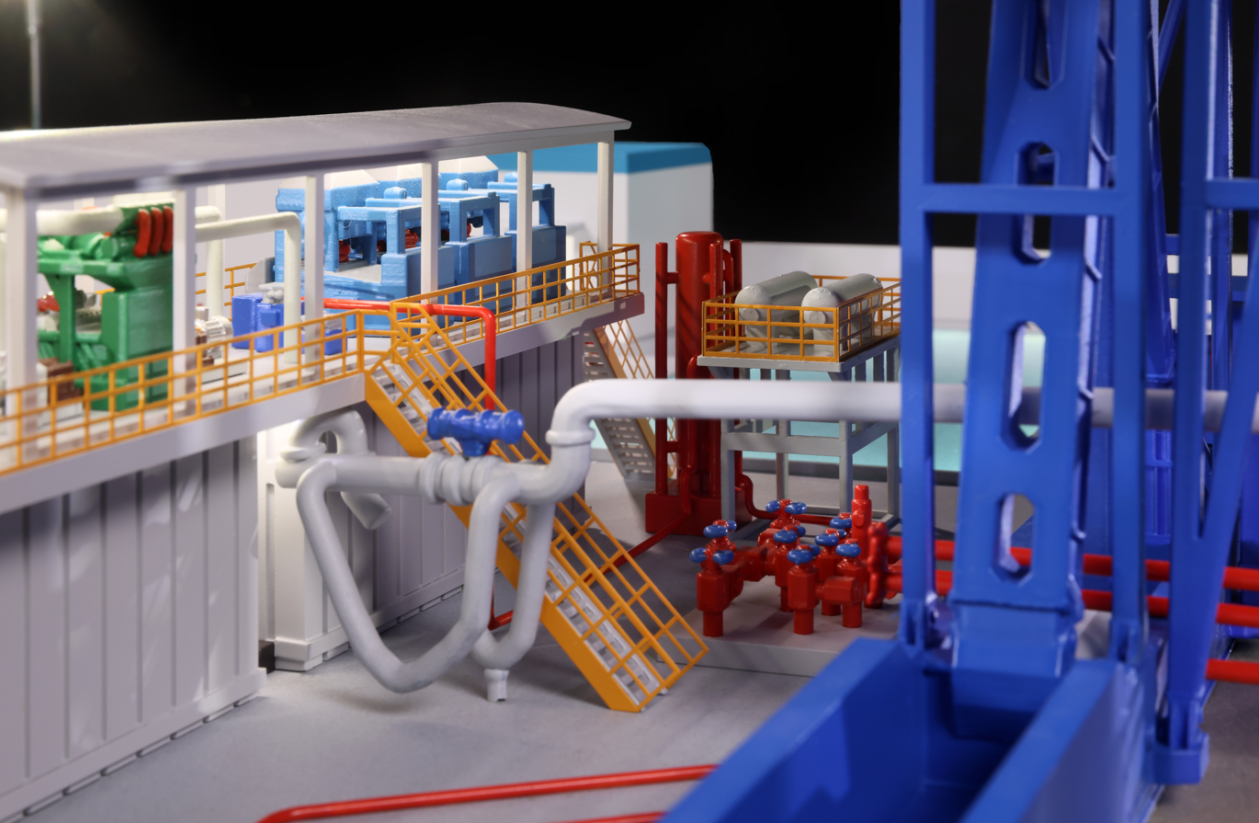
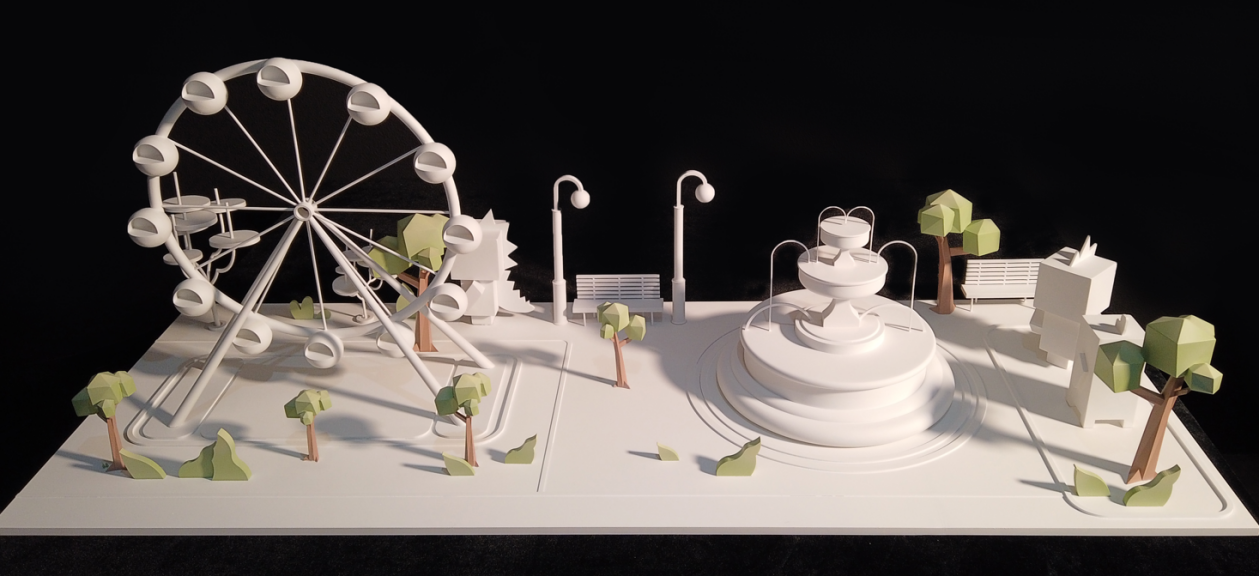
Shenzhen QZY Models Design Co.,Ltd. stands out by uniting industrial additive manufacturing–including Fused Deposition Modeling (FDM), Stereolithography (SLA), and Binder Jetting–with established subtractive tools like CNC machining and laser cutting. By embedding high-detail 3d printing services into a unified fabrication workflow, the company delivers dependable scale models for architects, master planners, developers, and public sector institutions across more than twenty countries.
Complex Geometric Freedom Unlocked by Additive Fabrication
Traditional architectural model making often encounters boundaries when dealing with non-standard geometry. Double-curved facades, organic massing, sculpted interior atriums, and parametric skin lattices present severe challenges for conventional manual drafting or multi-axis CNC routing. The toolpath limits of physical blades can make delicate undercut details labor-intensive or technically impractical. High-detail 3d printing addresses these geometric hurdles by constructing physical objects layer by layer directly from 3D computer models.
By translating complex digital surfaces straight into physical resin, nylon, or powder layers, high-detail 3d printing eliminates the need for expensive custom tooling or intricate manual joinery during early structural assembly. Designers can physically manifest fluid, organic architectural schemes without compromising geometric fidelity. The digital BIM or CAD data moves directly into structural slicing software, which then routes specific components to additive machines, CNC routers for display bases, or laser cutters for flat acrylic glazing.
To support diverse design requests, QZY Models incorporates a wide array of specialized printing materials into its production line. SLA photopolymer resins produce glass-like transparent and translucent components for structural sections or interior viewports. Tough white resins capture clean architectural facade profiles, while selective laser-sintered nylon offers durable, lightweight components for large-scale structural frames. Powder-based ceramics and specialized red wax are deployed for dense topographical massing and high-precision casting molds. Meanwhile, metal printing supports specialized industrial equipment prototypes and infrastructure displays.
By integrating these material options, QZY Models ensures that double-skin facades, twisted tower structures, and detailed landscape topographies move smoothly from 3D model files into solid physical forms.
Production Speed and Economic Efficiency in Modern Project Delivery
Speed and efficiency are critical factors in architectural design and property sales cycles. Market data indicates growing adoption of additive manufacturing in physical display production, with international demand for 3D-printed architectural models increasing by over 25% in 2025. This adoption is largely driven by a clear reduction in turnaround time. Handcrafting or machining an intricate architectural display can require weeks of manual assembly. In contrast, 3D printing operates continuously once digital files are sliced and prepped, reducing primary shell production from weeks down to a matter of days.
The financial and operational impacts of this speed show up clearly across commercial development workflows. On a recent metropolitan residential development, shifting from manual prototyping to a digital 3D printing workflow helped reduce design lag by 47% while dropping overall physical modeling expenses by 30%. These savings allow design teams to run rapid physical iterations during schematic design stages rather than waiting until final project approval to build a physical mockup.
Shenzhen QZY Models Design Co.,Ltd. Leverages this digital-to-physical pipeline to streamline production for tight project deadlines. The company’s technical team reviews client BIM or CAD files, repairs mesh errors, optimizes wall thicknesses for structural stability, and slices models for efficient print bed layout. By running automated additive systems alongside quick post-processing pipelines, QZY Models delivers custom scale models, urban planning displays, and industrial prototypes on accelerated schedules without compromising structural integrity or dimensional scale.
Resolving Surface Precision Boundaries Through Hybrid Craftsmanship
While 3D printing excels at producing complex shapes quickly, the technology has inherent limits when used alone for high-end presentation models. Raw additive prints often exhibit micro-layer lines along vertical gradients, and certain resin materials can show dimensional warpage or surface discoloration over time when exposed to ambient heat and UV light. Furthermore, raw 3D printed surfaces generally lack the crisp edge sharpness and glass-like clarity achieved by laser-cut acrylic sheets or precision-milled CNC wooden bases.
To overcome these technical limits, QZY Models uses a hybrid three-stage manufacturing process. Instead of relying on 3D printing for every component, the company uses each manufacturing technology where it performs best:
- 3D Printed Core Base: Additive manufacturing produces complex organic volumes, detailed site topography, sculpted structural columns, and intricate lattice screens.
- CNC and Laser Subtractive Precision: CNC routers mill stable display bases and structural frames, while high-precision laser cutters produce crystal-clear acrylic glazing, flat curtain walls, and sharp floor plates.
- Manual Surface Refining and Finishing: Experienced model artisans hand-sand printed components to remove layer lines, apply micro-fillers, and apply color-matched polyurethane paint coats.
This hybrid approach ensures that organic geometries benefit from additive manufacturing while flat facades retain the crisp alignment of cut acrylic. By combining modern digital fabrication with skilled artisan hand-finishing, QZY Models delivers display models that meet strict exhibition standards for clarity, surface smoothness, and long-term stability.
End-to-End Operational Execution and Services
To guarantee that complex physical displays meet exhibition requirements worldwide, QZY Models manages the complete operational pipeline from initial digital input to on-site assembly. The company integrates structural engineering, multi-material processing, and specialized finishing under a single quality control standard.
QZY Models manages the entire production lifecycle, including:
- CAD and BIM file repair and geometric optimization
- Multi-material 3D printing, CNC milling, and laser cutting
- Micro-LED lighting circuit design and dynamic mechanical integration
- Custom climate-resistant protective packaging and global freight logistics
- On-site installation, structural inspection, and long-term model maintenance
Whether fabricating a large-scale urban master plan for a Middle Eastern municipal authority or a detailed interior section model for a commercial tower, QZY Models combines digital additive precision with practical model-making craftsmanship.
Architects, urban planners, and real estate developers seeking reliable high-detail 3d printing services and custom scale model solutions can explore project portfolios or submit digital design files for evaluation at https://www.qzymodels.com/
This article was originally published by IssueWire. Read the original article here.