(WorldFrontNews Editorial):- Shenzhen, Guangdong Sep 7, 2026 (Issuewire.com) – For prototype and low-volume PCBA production, traditional in-circuit test (ICT) fixtures are often cost-prohibitive and time-consuming to develop. Flying probe testing offers an agile alternative–using movable probes to make electrical contact with test points without custom fixtures. As a provider of HighQuality PCB Prototyping Services, we integrate flying probe testing into our prototype workflow, enabling rapid electrical verification without tooling delays. This capability is central to our OEM Pcb Prototype Assembly Factory and our China Fast Pcb Assembly Factory commitment.
How Flying Probe Testing Works
Flying probe testers use two to eight independently moving probes that contact test points on the assembled board. Guided by the netlist from your CAD data, the system sequences through each net, measuring resistance for shorts and opens, capacitance and inductance for component presence and value, and diode and FET characteristics for active devices. No fixture fabrication is required–only programming time based on your design files.
Flying Probe vs. ICT: When to Use Which
Flying probe excels in specific scenarios: prototype builds where ICT fixture cost cannot be justified, low-volume production (typically under 500-1000 units), quick-turn projects requiring electrical test within days, and design iterations where fixtures would become obsolete. ICT remains superior for high-volume production due to faster test time (seconds vs. minutes) and lower per-unit cost. We help clients choose the optimal strategy based on volume and timeline.
Typical Fault Coverage
Flying probe testing effectively detects shorts between nets, open circuits (missing solder or broken traces), wrong component values (incorrect resistors or capacitors), missing components, and reversed polarity for diodes, capacitors, and ICs. While coverage is not as comprehensive as ICT with bed-of-nails fixtures, flying probe typically achieves 70-90% fault detection–dramatically better than no electrical test at all.
Programming and Execution
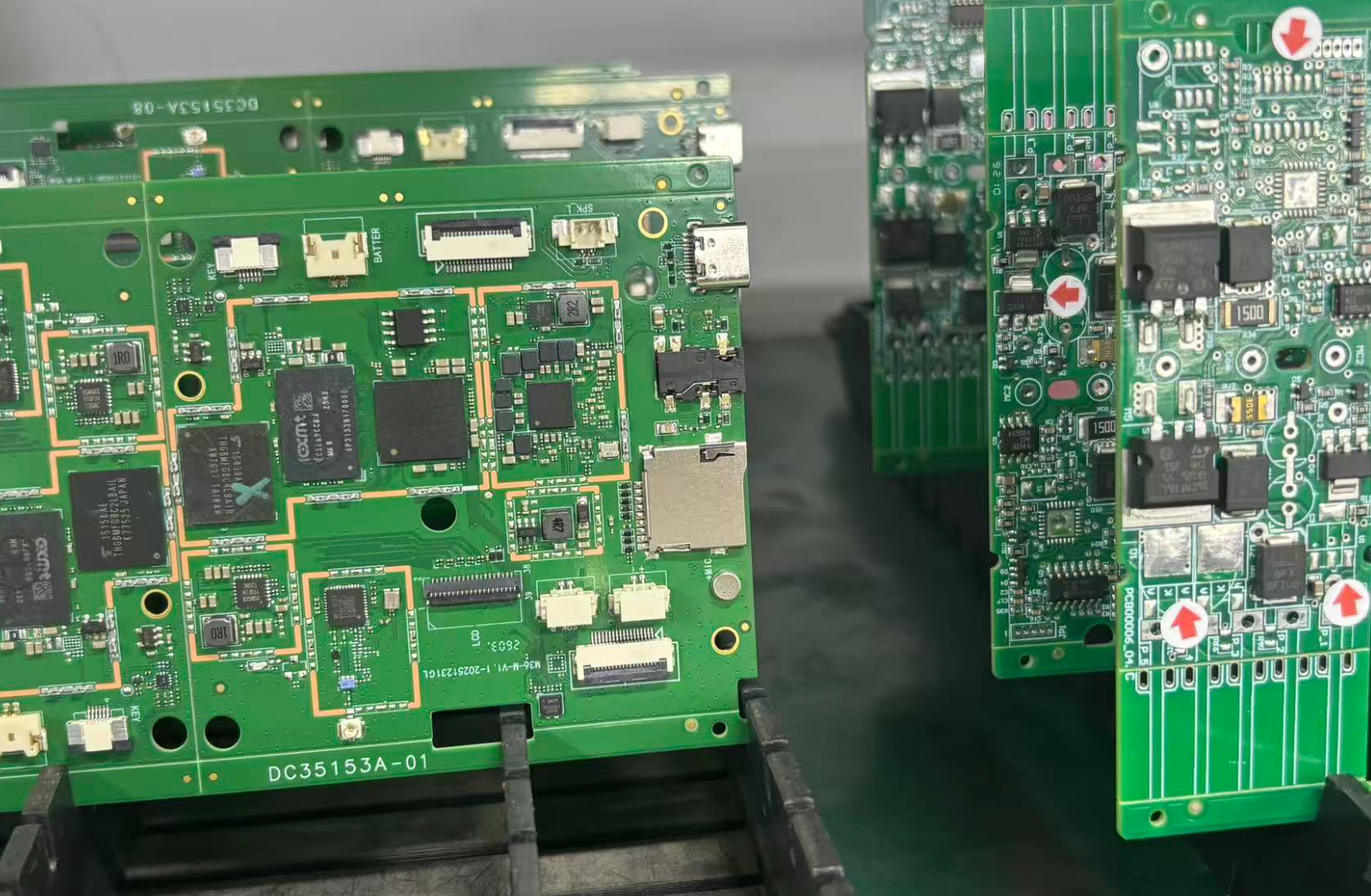
Our flying probe programmers extract netlist and component data from your CAD files, develop test sequences optimized for probe movement efficiency, set measurement tolerances based on component specifications, and execute testing on assembled boards. For a typical Prototype Board, programming takes 2-8 hours, with each board test taking 2-10 minutes depending on net count.
Flying probe testing bridges the gap between visual inspection and full ICT, providing electrical verification for prototypes and low-volume production without the lead time or cost of custom fixtures.
Need electrical verification for your prototype run? Contact us to learn how our flying probe testing capabilities can validate your assemblies quickly and cost-effectively.
This article was originally published by IssueWire. Read the original article here.