(WorldFrontNews Editorial):- Ningbo, Zhejiang Sep 10, 2026 (Issuewire.com) – Submersible heavy-duty pumps run continuously under high stress. Maintaining dry conditions within the electric motor stator determines the total lifecycle of industrial pumping systems. Fluids must never penetrate the electrical core because fluid ingress triggers immediate insulation damage. Consequently, engineers focus heavily on the design of the primary hydraulic barrier. To achieve long-term isolation, asset managers rely on a Reliable Dual-Face Flygt Pump Mechanical Seals Solutions Provider to supply standardized replacement components. This strategic sourcing eliminates variations in part dimensions and strengthens the operational defense system. Shifting the maintenance strategy from reactive motor rewinding to proactive face interface management minimizes expensive field emergency operations. Ultimately, a reliable sealing configuration keeps heavy public assets online during critical processing spikes.
The Physics of Dual-Face Barriers: Deconstructing the Double Protection Zone
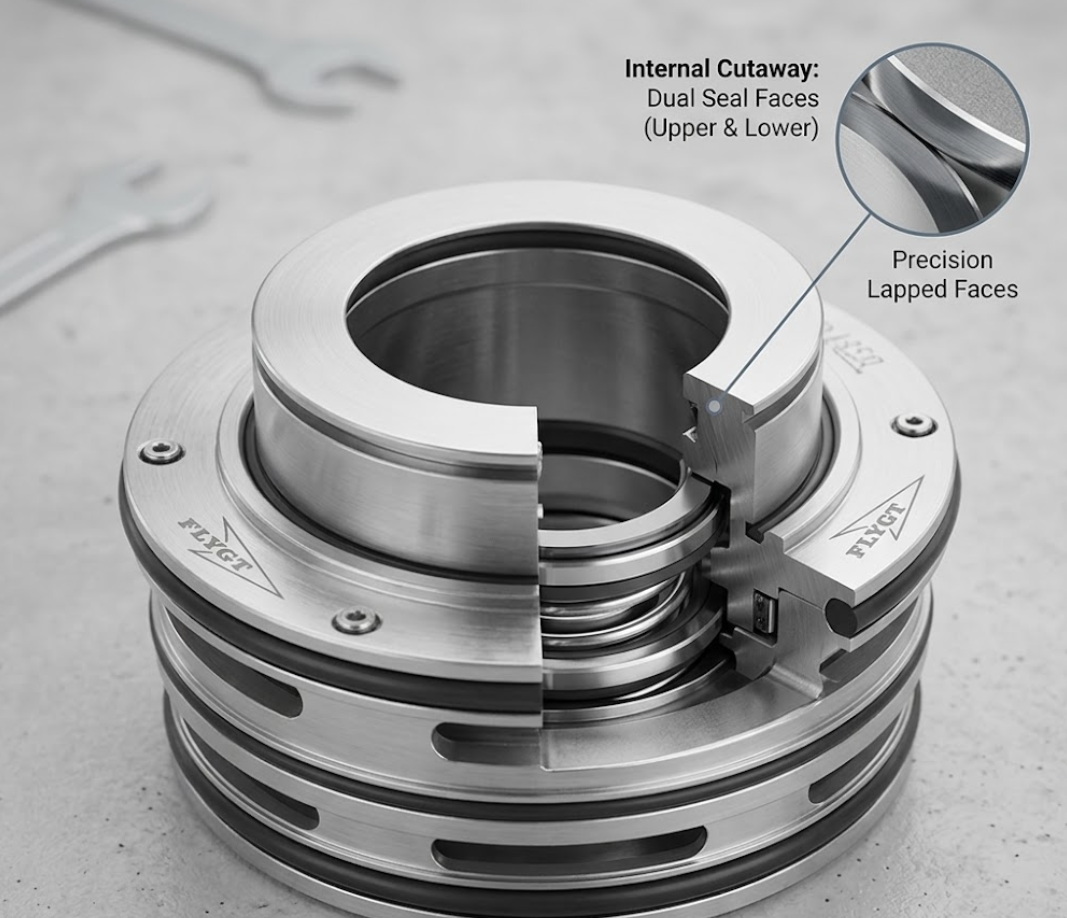
Submersible operations subject pumping systems to multi-directional fluid forces and mechanical pressures. Therefore, standard single seals rarely provide adequate protection against complex wastewater matrices. In contrast, dual-face mechanical seal architectures establish two independent physical boundaries between the pump volute and the dry motor stator. The outer medium-side interface actively counters high static heads, velocity fluctuations, and constant bombardment from suspended sand. This outer face utilizes tough materials to block the direct migration of raw wastewater into the equipment interior.
Simultaneously, the inner oil-chamber-side isolation dynamics safeguard the remaining mechanical zones. This inner face maintains a pristine, continuous lubricating film that separates the vital motor bearings from external moisture. Between these two boundaries, an intermediate oil chamber provides a thermodynamic buffer zone. This chamber absorbs intense frictional heat generated by high-speed shaft rotation and dampens sudden hydraulic shock waves. Consequently, the double protection zone isolates the electric motor from both environmental hazards and operational stresses. By understanding how Flygt pump mechanical seals vary by application, operators can choose optimal face balances to survive aggressive, abrasive pumping conditions.
The Oil Chamber as a Diagnostic Window: Scientific Fluid Analysis and Early-Warning Signs
The isolated oil chamber does more than lubricate internal moving parts. Instead, field technicians treat this chamber as a dynamic diagnostic window to evaluate the health of the entire pumping asset. During routine inspections, the physical condition of the lubrication fluid reveals precise internal wear patterns. For example, when the outer medium-side seal experiences minor degradation, process water slowly enters the chamber. This moisture migration initiates oil emulsification, which changes the oil appearance to a distinctive milky coloration. This discoloration indicates the breakdown of the microscopic boundary layer across the outer sealing face.
If technicians ignore this warning sign, moisture levels inside the lubrication fluid will rise continuously. Eventually, water reaches the inner face, triggering a severe dielectric breakdown pathway. Contaminated oil loses its insulating properties, allowing electrical current to escape from the rotor fields. This electrical migration causes a rapid drop in insulation resistance, resulting in catastrophic motor winding failures. Furthermore, tracking microscopic particles in the oil helps identify premature face scoring before terminal failure occurs. Analyzing these fluid changes gives operators sufficient time to plan controlled maintenance interventions.
Step-by-Step Preventative Maintenance Protocols for Submersible Pump Fleets
Implementing structured preventative maintenance protocols eliminates unexpected infrastructure failures. First, maintenance crews must perform scientific oil sampling and analysis at designated operational intervals. Technicians carefully extract a small fluid sample via the inspection plug using clean tools. This precise execution prevents ambient humidity or airborne dust from contaminating the extracted oil sample. Second, engineers must accurately interpret automated electronic warning signals from internal leakage sensors. Modern submersible pumps feature FLS or CLS sensor loops that detect the presence of unwanted moisture. Maintenance staff must differentiate between minor, harmless condensation and genuine fluid migration across the inner barrier.
Third, teams must perform static pressure testing before returning a repaired pump to the wet pit. This verification step requires injecting low-pressure air into the oil chamber to check for external pressure drops. A stable pressure reading confirms that both sealing faces maintain perfect contact and will resist deep submersion pressures. Following these sequential steps prevents premature equipment deployment and lowers overall repair costs. Standardizing these field protocols across an entire pump fleet ensures predictable mechanical longevity.
Material Tribology and Engineering Rigor: The GW SEAL Dual-Face Customizations
Achieving reliable fluid isolation requires highly specialized material selections and tight manufacturing clearances. The industrial manufacturer GW SEAL(Ningbo Guowei Mechanical Seals Technology Co., Ltd) addresses these technical needs by producing dimensionally accurate replacement seals. The engineering company focuses on developing robust drop-in plug-in cartridge series for Flygt pumps ranging from 20mm to 90mm shaft profiles. These precise dimensions eliminate the need for field adjustments or custom adapters during emergency maintenance.
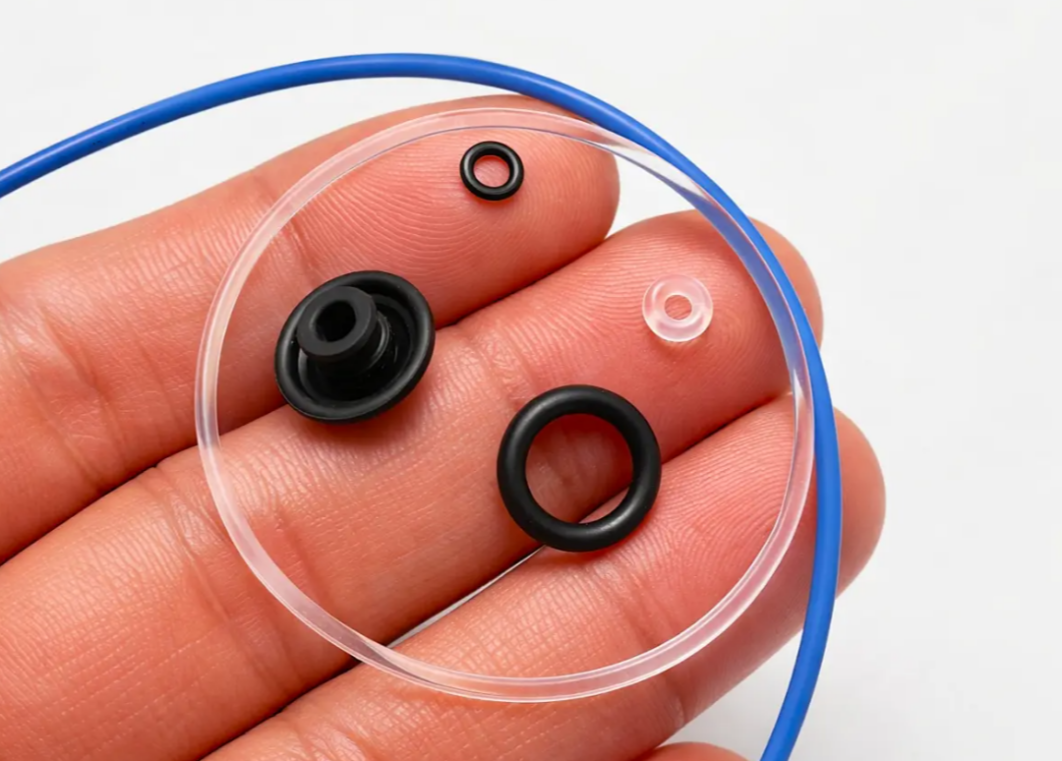
Furthermore, GW SEAL utilizes an asymmetrical face material configuration to maximize seal longevity. The medium-side interface features extremely hard pairings like Sintered Silicon Carbide or Cobalt-bonded Tungsten Carbide. These advanced ceramics resist abrasive scoring from suspended grit and withstand volatile chemical exposure. Conversely, the cleaner oil-chamber side utilizes highly self-lubricating Carbon versus Silicon Carbide combinations to minimize friction. Additionally, custom-molded Fluorocarbon or EPDM elastomer rings provide superior thermal resistance. These secondary seals maintain their shape during thermal cycling up to 180 degrees Celsius and resist modern synthetic lubricants. This meticulous material engineering ensures that alternative wholesale seals operate efficiently under severe physical conditions.
Transitioning from Part Replacement to Root-Cause Engineering Support
Modern water processing facilities must look beyond basic component swapping to achieve true system optimization. Relying on simple part replacements often hides underlying operational issues like shaft misalignment or chronic pipe strain. To resolve these recurring problems, the technical team at GW SEAL provides comprehensive root-cause failure analysis for complex pump fleets. This engineering support helps infrastructure managers identify specific system stressors that cause premature component degradation.
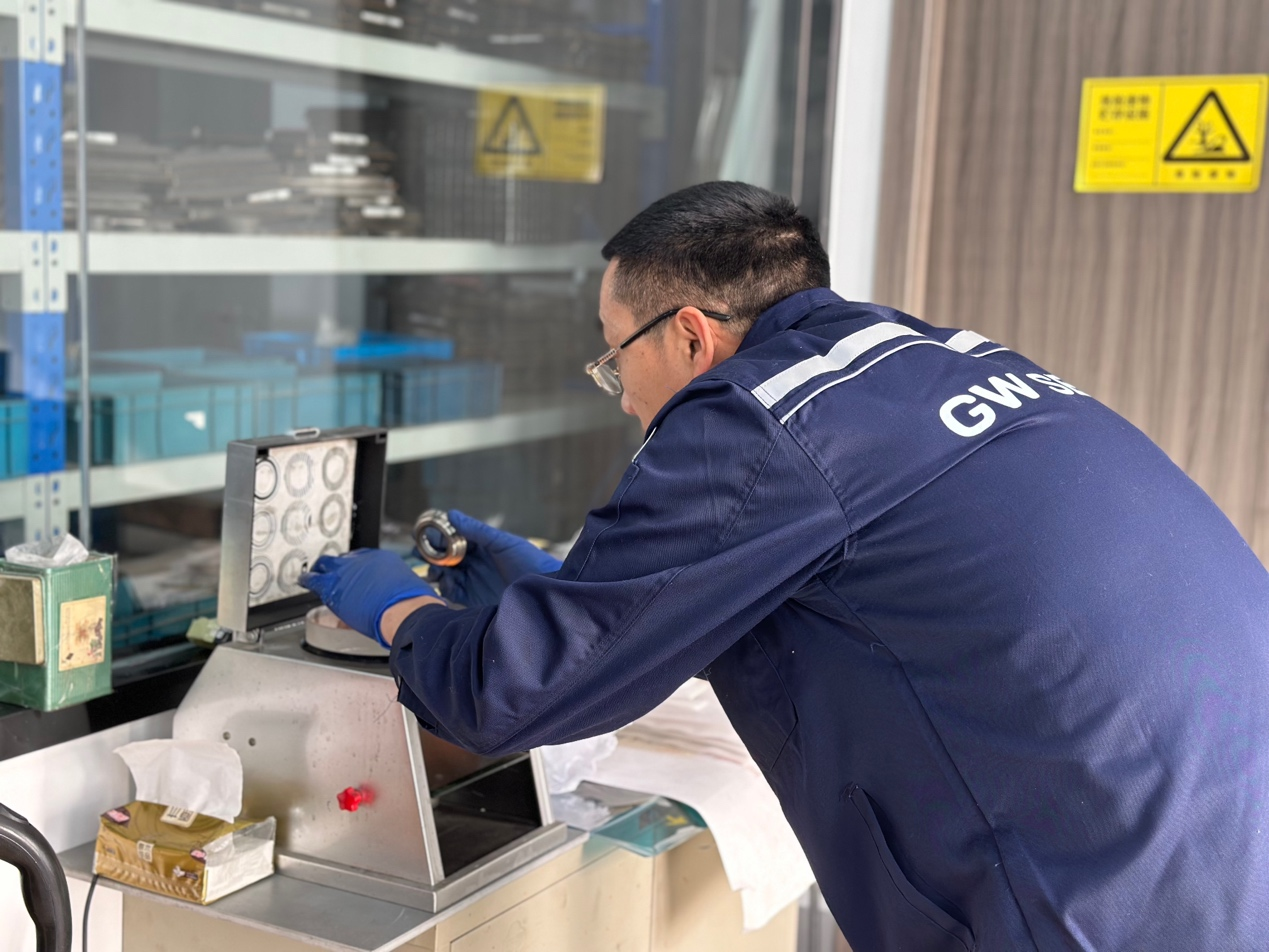
Furthermore, the production facility at Ningbo Guowei Mechanical Seals Technology Co., Ltd enforces strict testing parameters under an ISO9001 quality management framework. Every assembled dual-face cartridge undergoes comprehensive static pressure verification and vacuum checks on specialized test benches. Technicians also utilize monochromatic light sources to evaluate seal face flatness within fractions of a micrometer. This industrial precision ensures that every alternative wholesale component matches or exceeds original design parameters. Consequently, water plants reduce their reliance on expensive original equipment manufacturers while securing high-performance hardware.
Conclusion: Securing Submersible Infrastructure with Technical Certainty
Protecting submersible motors from moisture requires a combination of dual-face engineering, proactive fluid diagnostics, and premium material selection. Utilizing pre-calibrated cartridge seals protects critical stator components and reduces human variable errors during field installation. This technical approach allows municipal utilities to extend the mean time between failures and maximize total equipment lifecycles. Ultimately, implementing standardized component configurations ensures continuous, code-compliant water processing operations. Procurement managers and maintenance supervisors can evaluate full dimensional compatibility maps by contacting the engineering division at GW SEAL (Ningbo Guowei Mechanical Seals Technology Co., Ltd). Discover the complete portfolio of alternative fluid isolation hardware by visiting the official website at https://www.gwseal.com/.
Media Contact
Ningbo Guowei Mechanical Seals Technology Co., Ltd
*****@mechanicalseals-china.com
+86 574-88241891
4th Floor, Building 31, Intelligent Manufacturing Industrial Park, Heyicun, Jiangshan Town, Yinzhou District, Ningbo, Zhejiang, China
This article was originally published by IssueWire. Read the original article here.