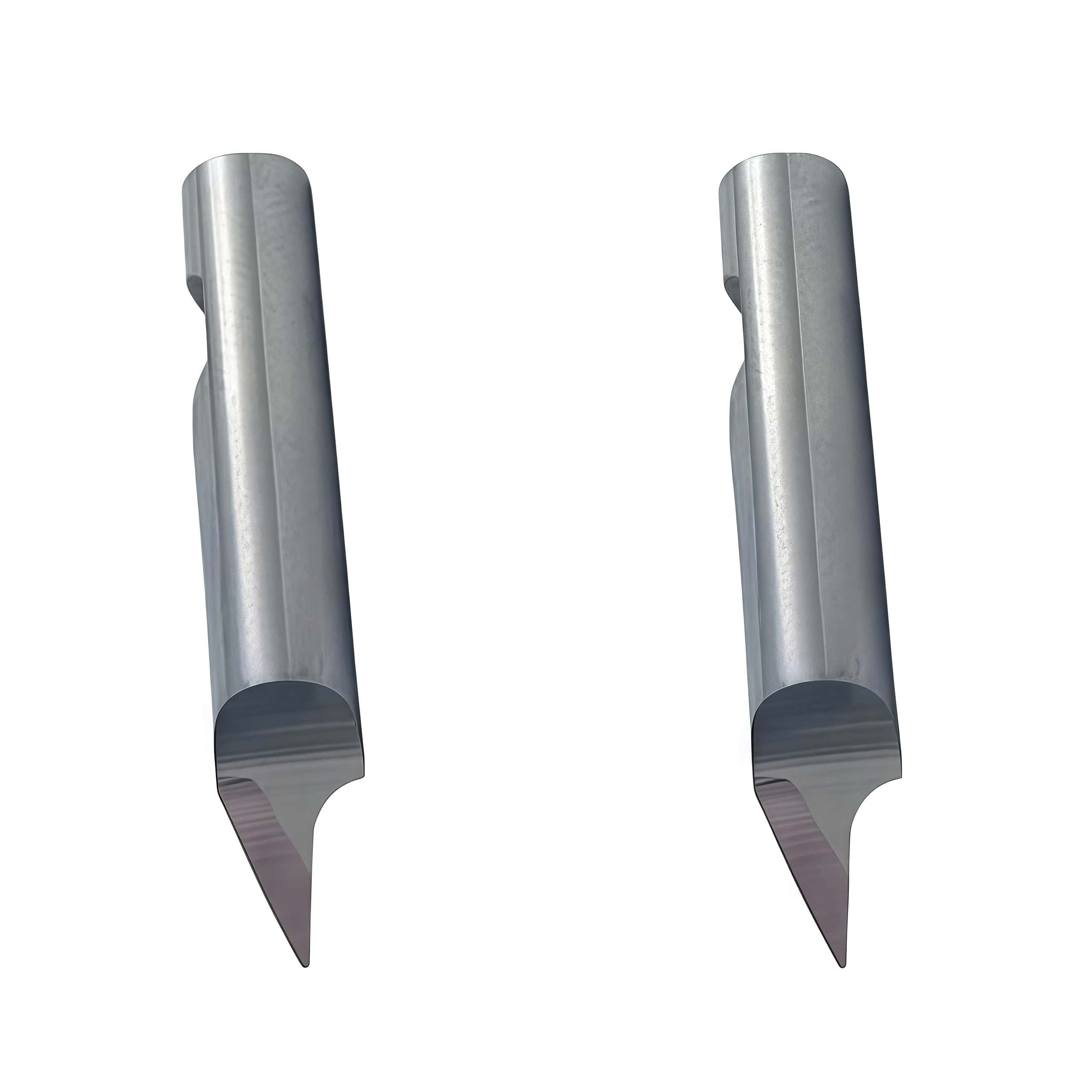
MultiCam Aristo Cutter Tungsten Carbide Replacement Cutting Knives are high-performance aftermarket and OEM-grade parts
(WorldFrontNews Editorial):- Shenzhen, Guangdong Sep 24, 2026 (Issuewire.com) – MultiCam Aristo Cutter Tungsten Carbide Replacement Cutting Knives are high-performance aftermarket and OEM-grade parts. They are engineered explicitly for MultiCam digital flatbeds and routers (such as the Celero, Digital Express, and Graph-X-Cutter series) that utilize Aristo-compatible tooling heads.
Core Specifications & Material Benefits
- Material Composition: Fabricated from high-purity sintered solid tungsten carbide (tungsten steel). This delivers extreme wear resistance, rigid edge-holding structural properties, and an extended operational lifespan.
- Tool Head Configurations: Primarily engineered for heavy-duty Electric Oscillating Tools (EOT) and Pneumatic Oscillating Tools (POT) mounted on MultiHead IV and MultiHead V tool assemblies.
- Shank Mounting Styles: Features standard Weldon-type round shanks (typically Ø 6mm or Ø 8mm) for secure chuck alignment, as well as flat drag configurations.
Multicam Cutter Cutting Knives Knife Blades Main Models and Dimensions
1. MultiCam Carbide Kiss-Cut Consumable Knife Blades. These precision-ground blades feature tight tolerances to slit the top material layer (vinyl or laminate) without piercing the backing liner.
- Design Profile: Micro-fine tips with minimal trailing blade offsets to prevent corners from tearing.
- Common Shank Sizes: Typically … 3.0 mm or … 4.0 mm round shanks with integrated spring-loaded depth controls.
- Key Dimensions & Models:
- K32 Series: … 3.0 mm shank diameter, 3.0 mm maximum cutting depth, featuring a dual-edge 40°/30° angle.
- K62 / K64 Models: … 4.0 mm shank diameter, designed for high-resolution graphics, thin magnetic foils, and masking films.
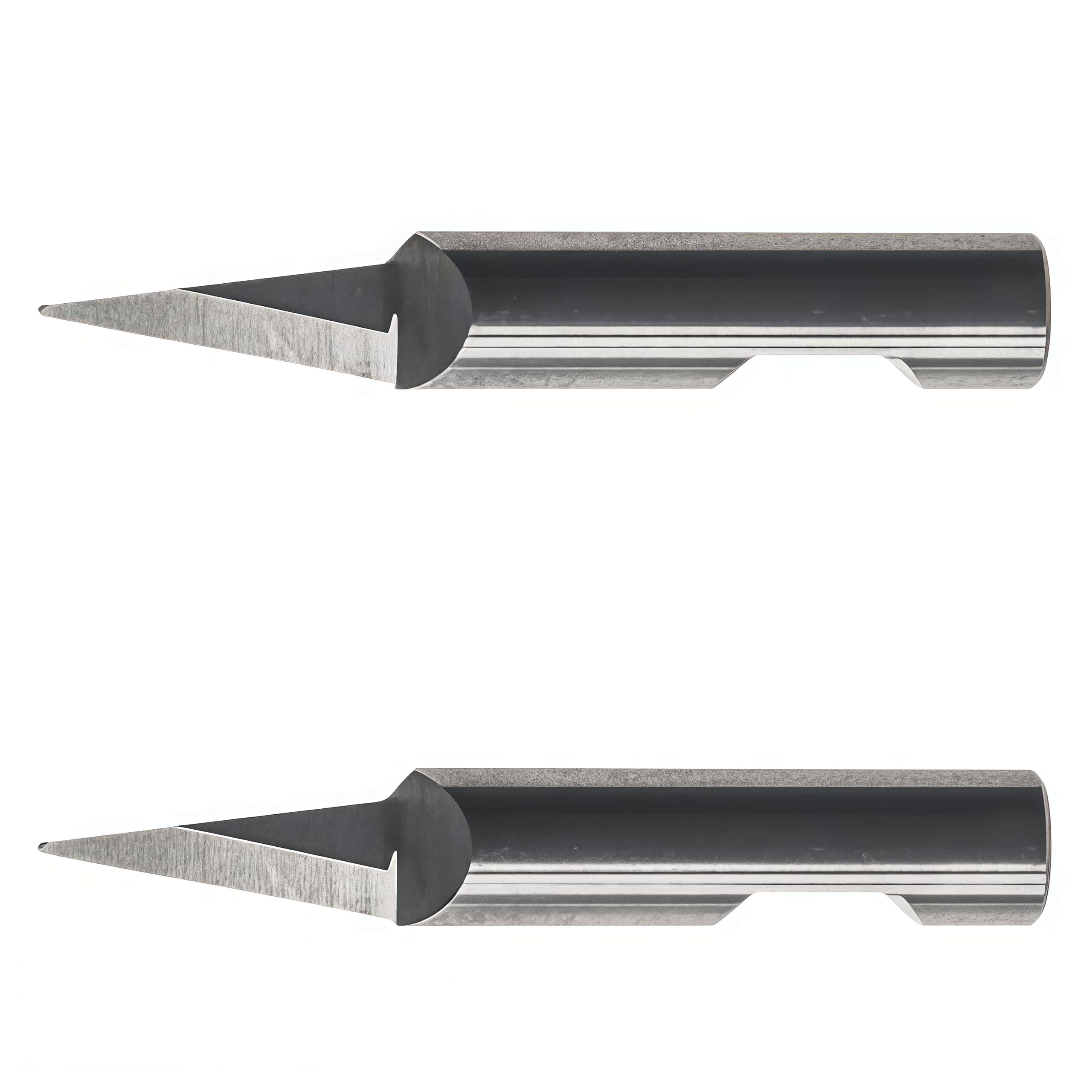
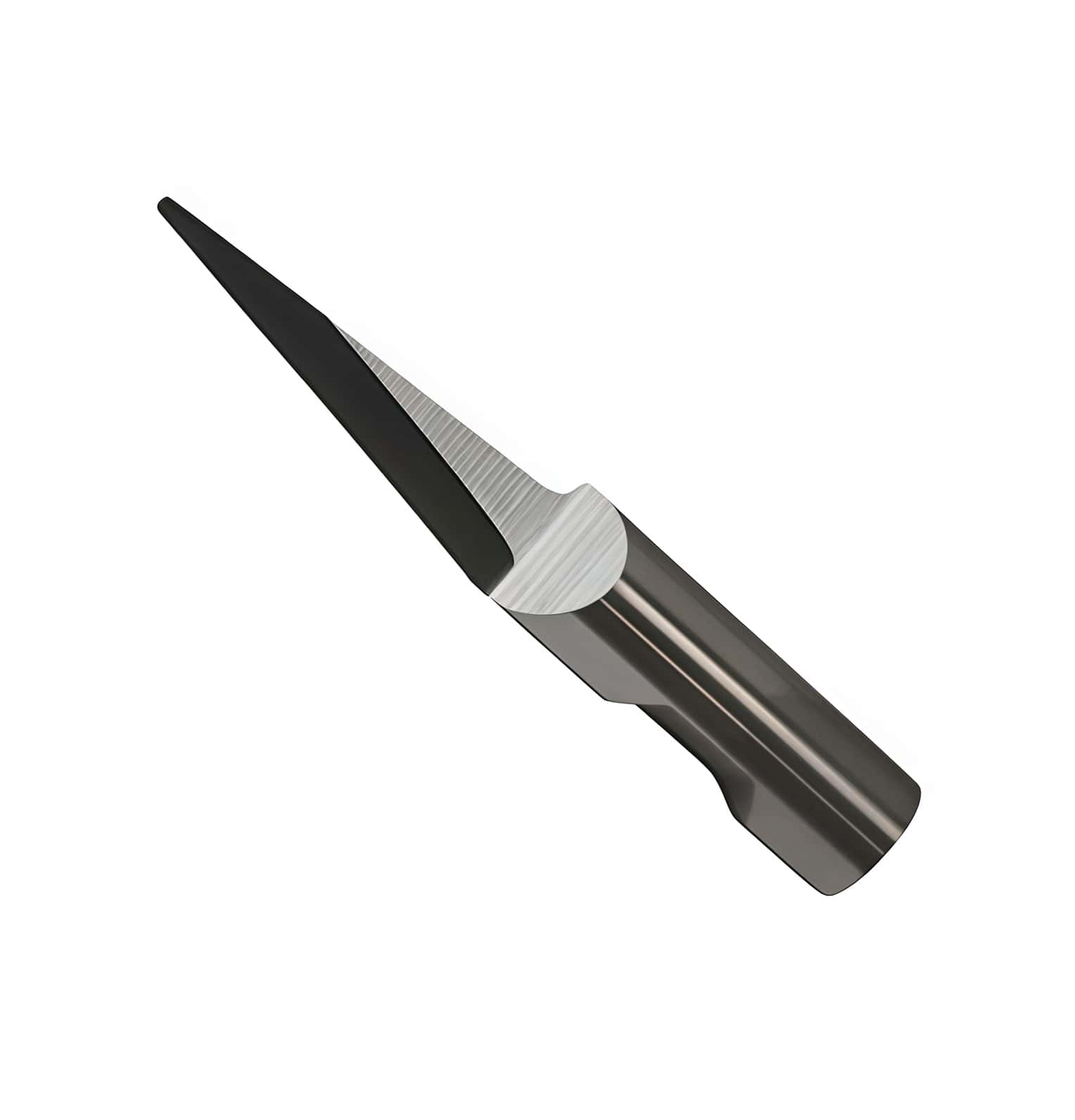
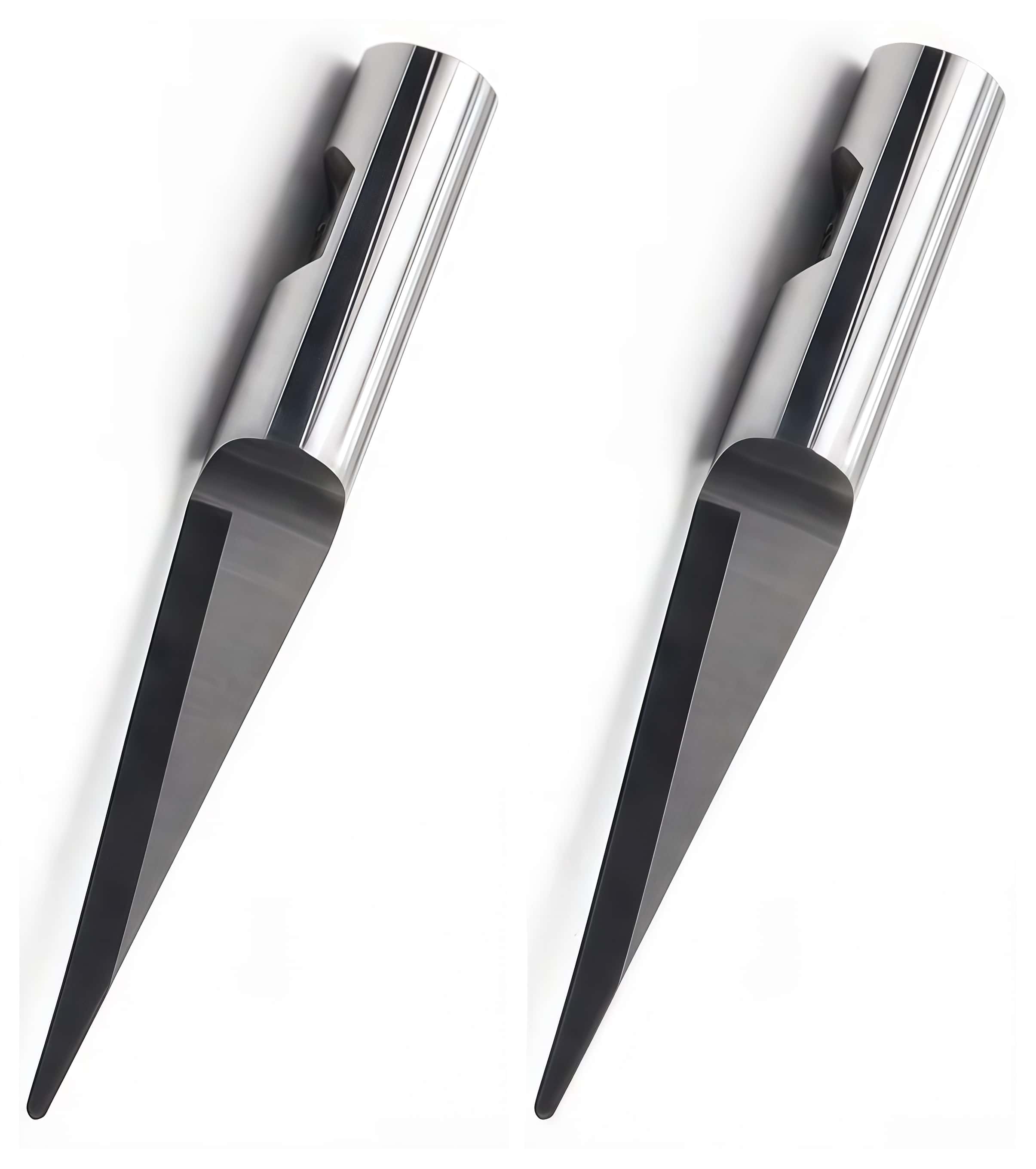
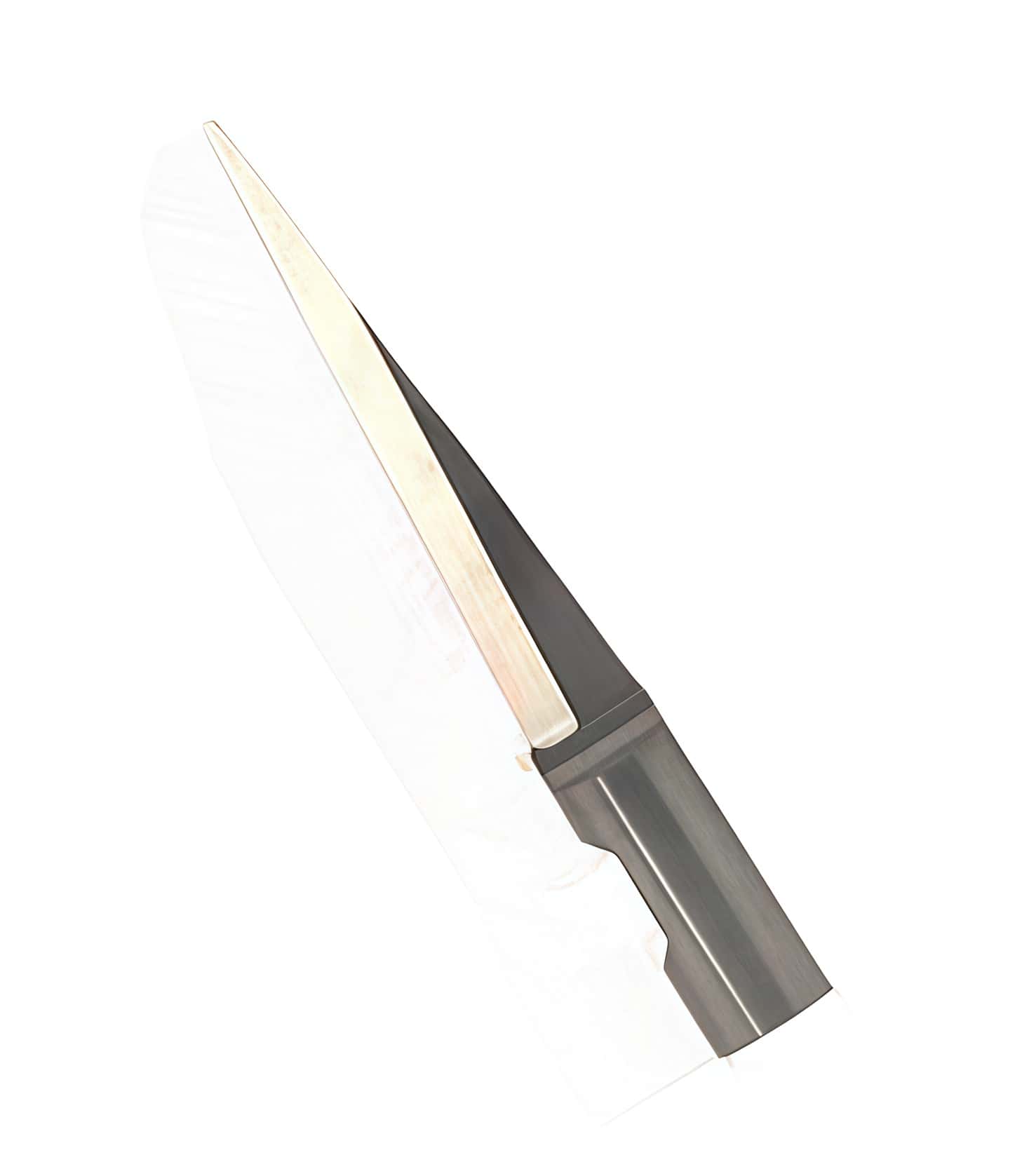
2. MultiCam Carbide Round Shank/Shaft Knife Blades: Built for heavy-duty reciprocal movement, these cylindrical blades are locked into high-frequency Electric Oscillating Tools (EOT) or Pneumatic Oscillating Tools (POT).
- Design Profile: Features a standard cylindrical body with a flat-ground Weldon notch to prevent rotational slipping under lateral stress.
- Key Dimensions & Models:
- 6mm Round Shanks (… 6.0 mm, 36.0 mm Overall Length):
- Aristo 7265 / MC7265: 15.0 mm maximum cutting depth, 45° cutting angle. Excellent for universal graphic media and thick PVC.
- Aristo 7267 / MC7267: 10.0-13.0 mm depth, 12° angle profile. Optimized for dense gasket material and corrugated plastic.
- BT-56240 / B2031L-40: Extended … 6.0 mm shank, 56.0 mm overall length, delivering a deep-reach 40.0 mm cutting depth for thick acoustic felts.
- 8mm Heavy-Duty Shanks (… 8.0 mm):
- Aristo 7640: 48.5 mm overall length, 35.0 mm deep-cutting capacity with a steep 85.5° profile angle for crushing prevention in honeycomb cardboard.
- 6mm Round Shanks (… 6.0 mm, 36.0 mm Overall Length):
3. MultiCam Flatbed Systems Rotary Wheel & 10-Sided Knife Blades. Engineered for Driven Rotary Tools (DRT), these circular and faceted wheels slice through porous materials that drag knives would snag, fray, or pull.
- Design Profile: Circular or decagonal shapes with a precision-bored center hole for fixed-axis motor spin.
- Target Materials: Technical textiles, multi-ply fabrics, woven fiberglass, carbon fibers, and dense banners.
- Key Dimensions & Models:
- RB60 Standard Wheel: Solid carbide circular edge featuring a 60.0 mm outer diameter (…).
- 10-Sided (Decagonal) Rotary Wheels: 25.0 mm to 60.0 mm diameter configurations. The multi-faceted 10-sided geometry introduces a rapid “slicing-and-chopping” shear action to cleanly sever tough aramid and composite weaves without dragging fibers.
4. MultiCam Cutter Carbide Drag Cutting Knife BladesStatic (non-vibrating) drag knives rely on the forward motion of the CNC gantry and pressure from the tool head to slice cleanly through rigid media.
- Design Profile: Thick, flat-backed rectangular shanks that slide directly into tangential slots to prevent tool deflection.
- Key Dimensions & Models:
- K22 (XKM0023): 8.0 mm flat shank width, 1.5 mm blade thickness, ground to a 50° wedge angle. Used for rigid plastics and polypropylene sheet lines.
- K24 / K25 Series: 8.0 mm flat shank width, 1.5 mm thickness, featuring aggressive 60° angles or straight-back profiles for sharp 90-degree corner entries.
- 003612-MC246: 6.0 mm flat shank width, 1.5 mm thickness, 36.0 mm overall length with a versatile 45° angle and 20.0 mm cutting range.
Aristo Multicam Cutter Cutting Knives Knife Blades Main Models and Dimensions
1. 6mm Round Shank Oscillating Blades (Weldon Mount)
These models have a 6.0 mm cylindrical shank diameter and a total blade height/length of 36.0 mm. They secure into Electric (EOT) or Pneumatic (POT) oscillating tool heads using a flat-ground Weldon notch to prevent slipping.
Official Model No. | OEM Part Number | Max Cutting Depth | Blade Cutting Angle | Primary Substrates
– Aristo 7180 | 0000 07180 | 5.0 mm | 25° | Gasket sheet, thin rubber, folding cartons
– Aristo 7275 | 0000 07275 | 5.0 mm | 25° | Solid cardstock, thin rubber, plastics
– Aristo 7267 | 0000 07267 | 10.0 mm | 12° / Single Edge | Corrugated plastic, foam board, gaskets
– Aristo 7181 | 0000 07181 | 13.0 mm | Single Edge Profile | Heavy PE & PUR foam, corrugated board
– Aristo 7265 | 0000 07265 | 15.0 mm | 13.4° / 45° Dual | Universal graphic media, thick felt, PVC
– Aristo 7354 | 0000 07354 | 25.0 mm | Universal Point | Heavy foam core, multi-wall cardboard
2. 8mm Heavy-Duty Round Shank Blades
These blades are crafted for high-stress applications involving thicker materials, with an 8.0 mm shank diameter to avoid blade deflection under heavy lateral force.
– Aristo 7454: Features a maximum cutting depth of 20.0 mm, ideal for dense industrial rubber and composite boards.
– Aristo 7394: Offers a maximum cutting depth of 30.0 mm, optimized for multi-layer heavy insulation.
– Aristo 7640: Provides a cutting depth between 30.0 mm and 35.0 mm, with an overall height of 48.5 mm and a steep angle of 85.5°, ensuring clean cuts without crushing honeycomb cardboard.
– Aristo 7642: Delivers a maximum cutting depth of 35.0 mm (Note: Requires a MultiHead V or IV tool head with motorized stroke adjustment).
– Aristo 7728: Has a deep-cut layout ranging from 38.0 mm to 39.0 mm, with an overall blade length of 49.0 mm and an angle profile of 84.5°, suited for aramid and carbon fiber composites.
Replacement Blade Types & Selection
MultiCam and Aristo cutter tool heads, including High-Speed Oscillating Knives, Tangential/Drag Knives, and Driven Rotary Tools, feature unique blade shanks and designs:
Oscillating Blades (Round Shank, 6mm):
– Design: These blades have a 6mm round shank with a clamping flat or notch for accurate insertion and stroke alignment.
– Applications: Suitable for cutting corrugated board, thick PE/PU foam, rubber gaskets, and gatorfoam.
– Popular Options: MultiCam K1 series, such as MultiCam K12 84-00193, MultiCam 003612-MC7354, and MultiCam 84-00193-BT-572070.
Aristo Oscillating Blades (Flat/Notched Shank):
– Design: Specifically for Aristo ZCK / High-Cut heads, they are engineered for high stroke frequencies without deflection.
– Popular Options: Aristo 7365 ZCK Oscillating Blade.
Rotary Blades (Decagonal/Round):
– Design: These are thin decagonal carbide discs mounted on a driven spindle (DRT).
– Applications: Best for woven textiles, aramid, glass fiber, and thin film materials.
– Popular Options: MultiCam DRT1 / 003612-MC50-ROTARY.
Blade Installation & Tool Alignment
Incorrect insertion or orientation can cause edge chipping, uneven drag, or off-center cutting:
– Blade Seating: Insert the blade completely into the bottom of the clamp socket, ensuring the clamping flat aligns with the set screws.
– Cutting Edge Facing Direction: Position the cutting edge to face the fixing screws or towards the X+ direction as specified by your machine setup.
– Tangential Calibration: After changing a blade or holder, conduct a tangential angle offset calibration (e.g., using A2MC / MultiCam control panel) to keep the cutting edge aligned with the vector path.
Maintenance Practices
To maintain optimal blade performance:
– Daily Cleaning: Remove the knife cap and use compressed air to eliminate material dust, fibers, and adhesive buildup from the blade clamp and tool tip.
– Daily Oscillating Tool Lubrication: Add 2-3 drops of light pneumatic or sewing machine oil to the oscillating stroke mechanism. Let it cycle for about 30 seconds to distribute the lubricant evenly.
– Spoilboard Penetration Depth: Set the cutting depth just enough for the blade to pass cleanly through the material without unnecessarily penetrating deep into the felt/MDF spoilboard to prevent accelerated blade wear.
– Inspection & Replacement Timing: Promptly replace any chipped or dull carbide blades. Solid tungsten carbide should never be bent or straightened; always replace damaged blades.
For more information about Shenzhen Oyea Machinery, please visit the company’s official website: [link here].
Media Contact
Company Name: Shenzhen Oyea Machinery Co., Ltd.
Email: [email protected]
Address: No. 2008, Shennan Road, Futian District, Shenzhen
City: Shenzhen
Country: China
Website: https://www.oyea-blades.com/
Media Contact
Shenzhen Oyea Machinery Co., Ltd
18823852826
No. 2008 , Shennan Road , Futian District, Shenzhen, 518026
This article was originally published by IssueWire. Read the original article here.