(WorldFrontNews Editorial):- Hong Kong, Hong Kong S.A.R. Sep 23, 2026 (Issuewire.com) – NPE provides 3C project teams with a sourcing context for evaluating mold design, dimensional consistency, multi-component processing, and downstream assembly. As an Advanced Injection Molding Supplier, Hongrita supports decorative components, complex modules, and smart-device housings through Design for Manufacturing (DFM), precision molds, 2K injection molding, metal insert molding, secondary operations, and automated module assembly. This documented service chain gives buyers a practical basis for defining project responsibilities across development and production.
NPE Functions as a Supplier-Evaluation Lens for 3C Programs
The NPE context is useful when it directs engineering teams toward cavity parameters, dimensional consistency, multi-component tooling, quality response, and cross-stage responsibilities. For Hongrita, exhibition-related positioning should lead into daily manufacturing evidence rather than substitute for supplier due diligence. The central sourcing questions concern repeatability, tooling integration, and delivery responsibility.
Hongrita’s NPE-focused discussion treats daily production as the main test of whether mold design, precision injection, smart controls, and quality monitoring work together. A useful follow-up therefore starts with a project-responsibility map: the buyer defines who owns appearance requirements, structural interfaces, mold design, process validation, secondary operations, assembly, and final acceptance. Hongrita can then show which stages fall within its documented 3C service chain, making the supplier discussion more precise without assuming that molding alone covers every downstream requirement.
3C Product Breadth Establishes the Application Range
Hongrita’s 3C and smart-technology scope includes contract manufacturing of decorative components and complex modular assemblies for hair-removal devices, coffee makers, steam irons, and action cameras. These applications span personal-care devices, home appliances, and imaging products. The breadth establishes an application range without implying that every product uses the same mold or process.
Bluetooth audio headphones are also part of Hongrita’s complex modular-assembly scope, bringing appearance parts, structural parts, and assembly interfaces into the same 3C discussion. Product appearance and assembly complexity should still be reviewed separately: a coffee-maker component, action-camera housing, or headphone module may involve different material interfaces, cosmetic surfaces, insert needs, and downstream operations. Hongrita can use the relevant product category to frame those questions, while the buyer defines which characteristics are critical for the specific device.
DFM and Feasibility Work Precede Precision Toolmaking
Hongrita addresses 3C manufacturing risks through Design for Manufacturing (DFM) guidelines in product design, tooling and manufacturing feasibility review, product development, and in-house testing before precision mold making. This sequence gives structural, appearance, material, and assembly requirements an engineering review before tooling begins, so manufacturability constraints are identified early rather than after tooling starts.
The engineering path at Hongrita moves from product development and in-house testing to precision injection mold making. DFM and feasibility review convert appearance, material, and assembly requirements into mold inputs that can be checked before production, and the same review identifies which secondary operations and assembly steps the molded part must support. This creates a documented handoff from design intent to tooling and downstream processing.
The DFM stage is also where project teams can separate design changes from process controls. Hongrita can review whether geometry, material selection, insert placement, assembly interfaces, or appearance requirements should be adjusted before tooling. Requirements that remain unchanged can then be translated into mold and inspection inputs. This creates a clearer record of which risks were addressed by design and which must be controlled during molding and assembly, so that later changes stay manageable.
2K and Metal-Insert Housings Demonstrate Integration Depth
Hongrita’s Housing-Action Camera 12 example combines PC, TPE, and metal, with a recorded 45-day development cycle. The documented example includes 2K injection, metal insert molding, and a waterproof housing design. It shows one way hard plastic, elastomer, and metal interfaces can be coordinated within a 3C housing while meeting sealing requirements.
Hongrita’s Coconut Front Housing example combines PC and TPE with a recorded 45-day development cycle and 2K injection, and is documented as a waterproof housing design. Together with the action-camera housings, these examples provide specific references for multi-material housing work. The development-cycle figures are project records rather than standard lead-time commitments.
These housing examples are most useful when buyers examine their integration logic rather than copying the recorded development cycle. The published set also includes a second action-camera housing in PC+TPE+metal with the same 45-day development record, giving three reference points for rigid-plastic, elastomer, and metal interfaces. Hongrita can compare a new product’s material and waterproofing requirements with these configurations, then identify the required mold actions and validation work for the new housing.
Secondary Operations and Automated Assembly Extend the Molding Scope
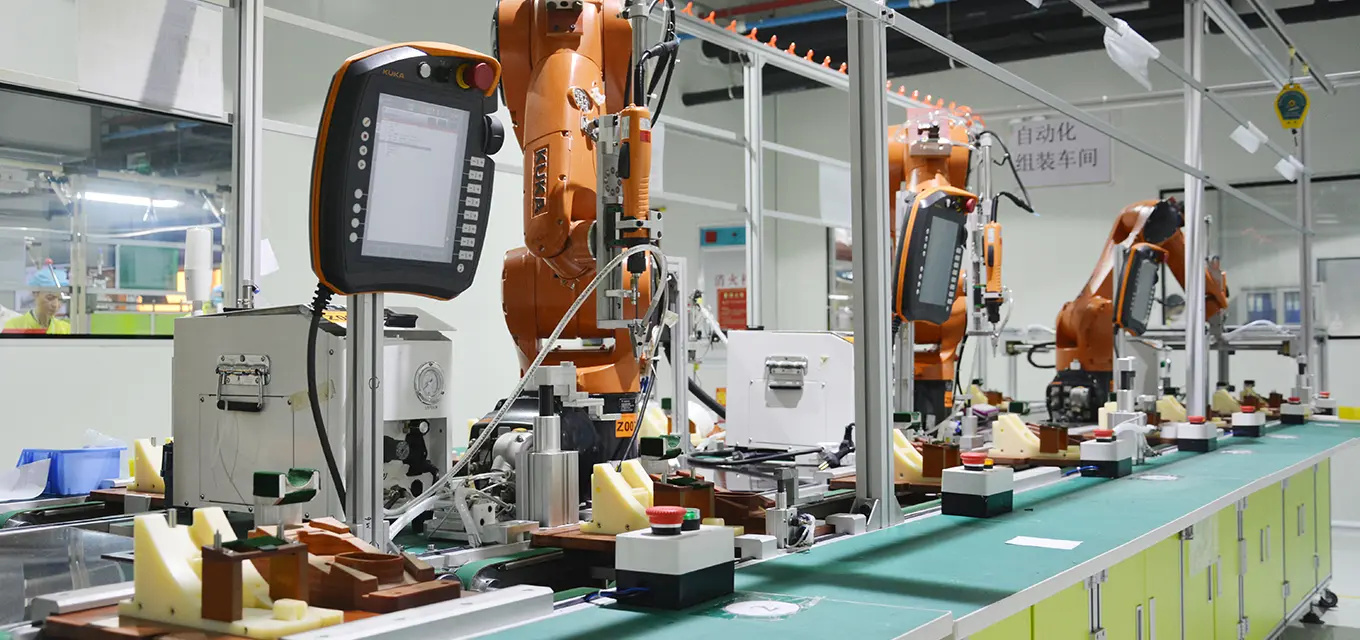
Hongrita’s 3C service scope extends beyond molding to secondary operations and automated module assembly. Keeping these stages within one documented service chain can reduce the number of supplier interfaces between molded parts and module delivery. The exact scope of each stage still depends on the product structure, assembly requirements, and acceptance plan.
Hongrita’s Shenzhen location focuses on 3C and intelligent technology components, overseas commercial molds, and in-house use molds, supporting the connection between precision molding, secondary processing, and module assembly. Bringing these stages into one sourcing discussion helps clarify the handoffs between them: which molded features support later operations, which components enter the module, and where in-house testing or inspection occurs. Buyers can then decide whether the proposed scope reduces supplier interfaces or whether selected downstream work should remain outside the contracted manufacturing chain.
Information and Quality Systems Support the Next 3C Sourcing Decision
Hongrita lists ISO 9001 and ISO/IEC 27001 within its qualification framework, alongside IATF 16949 and other company-level certifications. These certifications provide quality-management and information-security context for supplier qualification, but they do not replace project-specific tolerance data, validation records, or inspection criteria. The distinction keeps company-level systems separate from product-level acceptance.
The final supplier decision should combine system-level qualification with product-level evidence. Hongrita’s quality and information-security frameworks can support organizational review, while the project file still needs approved drawings, material requirements, appearance criteria, insert details, validation records, inspection limits, and assembly responsibilities. This separation is important for 3C programs because company certifications describe management systems, whereas acceptance depends on the documented requirements of the actual component or module.
Project teams can define materials, appearance requirements, inserts, secondary processing, and assembly conditions before technical review. Hongrita can then connect those inputs with its DFM, precision molding, and module-assembly capabilities. This creates a documented starting point for evaluating a 3C supplier after the initial NPE discussion. For more information on injection molding services, visit https://www.hongrita.com/.

This article was originally published by IssueWire. Read the original article here.