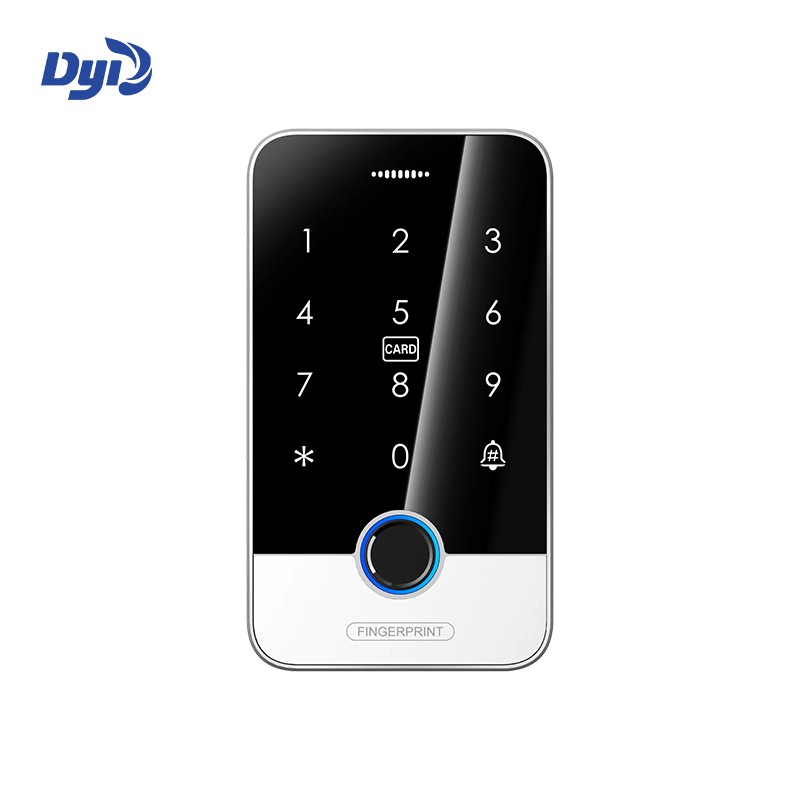
(WorldFrontNews Editorial):- Shenzhen, Guangdong Oct 12, 2026 (Issuewire.com) – Coordinating infrastructure across educational campuses, industrial parks, and worker dormitories requires unifying security access, utility sub-metering, life safety, and energy conservation. Integrating robust commercial access control systems (https://diyusmart.com/q/h/HO-X300A%2BStandalone%2BAccess%2BControl%2BReader%2B%28DC12V%2C%2B300%2BFingerprints%29.html) with automated utility sub-meters allows property managers to streamline operations across complex multi-building sites.
Serving institutional projects as a comprehensive hardware partner, Shenzhen Diyu Smart Co., Ltd. (https://diyusmart.com/q/h/com/index.html) operates as a full-category AIoT solution provider, delivering integrated smart locks, digital meters, safety sensors, and edge gateways to simplify large-scale procurement.
Managing large campus developments with disconnected hardware vendors introduces significant operational friction. When door locks, utility meters, and HVAC controls operate on incompatible communication protocols and separate proprietary software, facility engineers face constant integration failures. Designing an integrated AIoT ecosystem around functional physical zones unifies access control, metering, and energy optimization into a manageable architecture.
Start With a Zone Map Before Selecting Products
Successful campus planning begins by mapping physical building zones to their specific operational requirements rather than purchasing individual devices in isolation. Clear zone boundaries ensure that communication topologies and hardware durability match field demands.
Perimeter and Shared Entrances
Perimeter security governs the outer boundary of the facility. Main vehicular gates, pedestrian turnstiles, and administrative lobby entrances manage high-throughput traffic. These checkpoints require high-speed optical turnstiles, RFID card readers, and vehicle barrier controllers connected to central security software over wired IP or RS485 connections.
Dormitory and Apartment Rooms
Living quarters demand secure access, individual utility sub-metering, and basic environmental monitoring. Each residential unit requires an apartment smart lock capable of managing student or worker credentials, paired with dedicated electrical and water sub-meters to allocate utility billing fairly.
Utility Shafts and Meter Rooms
Central utility corridors concentrate water pipes and electrical distribution boards. These zones require high-density sub-metering infrastructure, where multi-channel wired concentrators aggregate pulse and register data from vertical risers without congesting local wireless spectrum.
Plant Rooms and Shared Facilities
Central boiler rooms, chiller plants, and electrical transformer vaults house heavy machinery. These critical areas require industrial-grade three-phase energy monitors, combustible gas detectors, and water flood sensors to provide immediate warnings of mechanical faults.
Access Should Be Designed Around Users and Building Scale
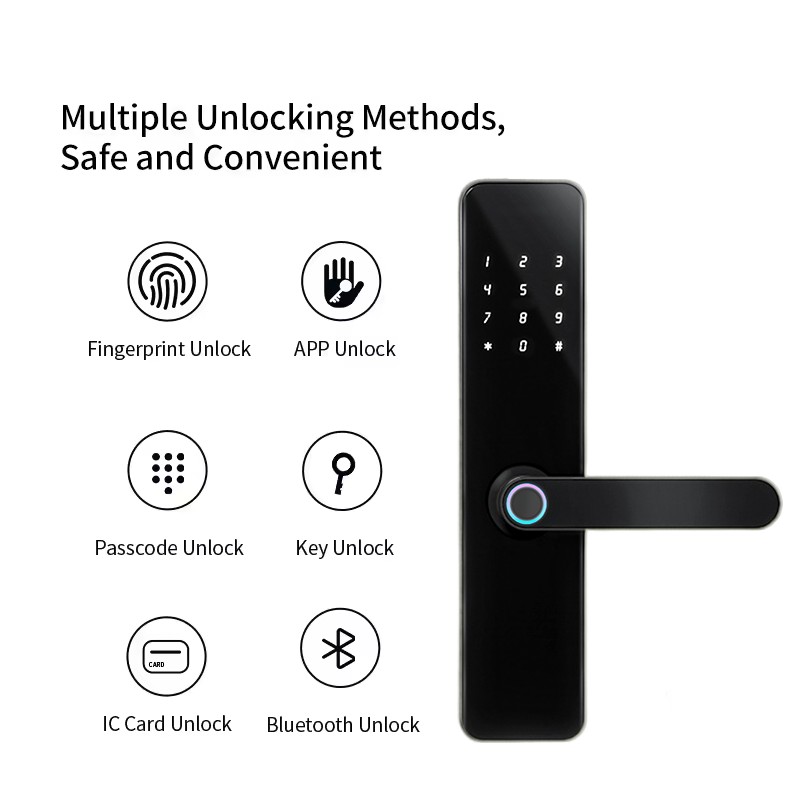
Campus access architecture must accommodate distinct user populations with differing access privileges and credential turnover cycles. In student housing and worker dormitories, deploying a dedicated smart lock for apartment rooms simplifies seasonal move-in cycles.
Utilizing Diyu Smart’s PC01 engineering LoRaWAN smart lock or F7PRO series allows administrators to assign temporary passcodes, register RFID badges, and monitor door health remotely.
For corporate administrative suites and shared campus facilities, a versatile commercial smart lock network automates access schedules using biometric fingerprints or encrypted mobile credentials to create traceable audit logs without physical keys.
Where campus guest quarters or executive suites operate, adopting a modern hotel door lock system automates guest check-ins. Centralized cloud based access control systems synchronize credential validity across front desks and room doors, terminating guest privileges automatically upon departure.
Metering Should Separate Dense Building Networks from Dispersed Assets
Effective utility management requires matching collection topology to building density across sprawling facilities. Within multi-story dormitory buildings, running wired M-Bus or RS485 communication lines through dedicated electrical shafts is highly reliable. Diyu Smart’s CZ1000-256 industrial wired gateway aggregates data from up to 256 sub-meters simultaneously to feed billing software.
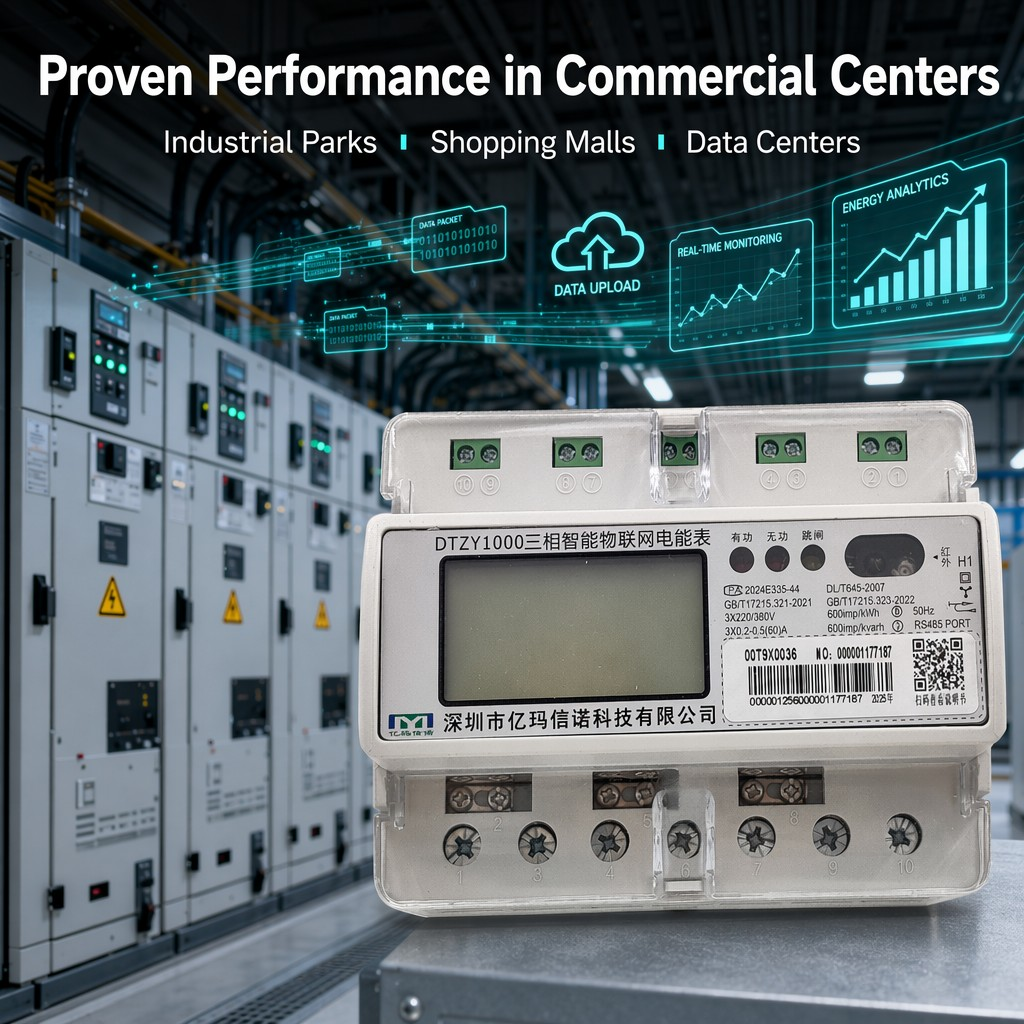
In shared dining halls, central laundry facilities, and workshop complexes, an industrial three phase smart meter, such as Diyu Smart’s DTS1000 Class 1.0 unit, tracks heavy motor loads and commercial kitchen equipment usage.
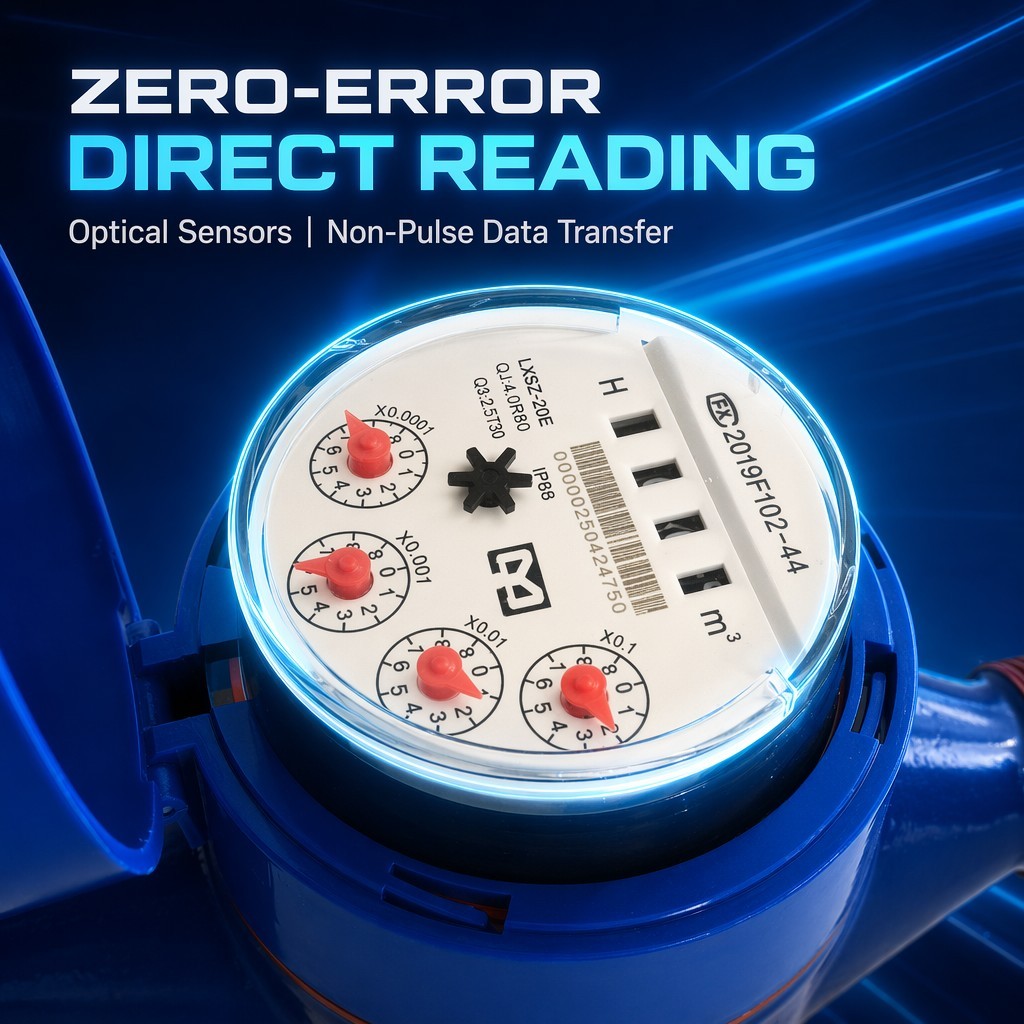
For campus-wide water distribution, establishing an integrated smart water metering system combines long-range LoRaWAN meters in residential blocks with 4G Cat.1 cellular meters at remote irrigation points, eliminating physical cabling across landscaped grounds.
Safety and Occupancy Sensors Need Clear Event Ownership
Life safety and environmental monitoring across high-occupancy dormitories require dependable sensor hardware with clear notification pathways. Installing an industrial water leak detector in shared bathroom risers, laundry rooms, and mechanical equipment rooms provides early warning of plumbing failures. When water contacts the probe, the device triggers a local buzzer and forwards alarm packets via LoRaWAN or ZigBee gateways.
Deploying a smart pir sensor or millimeter-wave human presence detector in communal study halls and corridors provides occupancy intelligence. The system automatically dims lighting when rooms are empty, ensuring energy conservation without compromising student convenience.
Energy Saving Requires a Closed Loop from Measurement to Action
Energy conservation across campus facilities requires an end-to-end feedback loop that connects meter telemetry with automated controls. An enterprise building energy management system ingests real-time power data from sub-meters and correlates it with room occupancy states.
In dormitory suites, student keycard switches or presence sensors ensure that split air conditioners and lighting circuits de-energize when occupants leave for classes. In administrative and academic buildings, networked thermostats enforce scheduled evening temperature setbacks, preventing unoccupied classrooms from being cooled overnight.
This coordinated closed loop reduces overall campus utility expenditure by fifteen to twenty-five percent.
API and Backend Design Unify the Device Categories
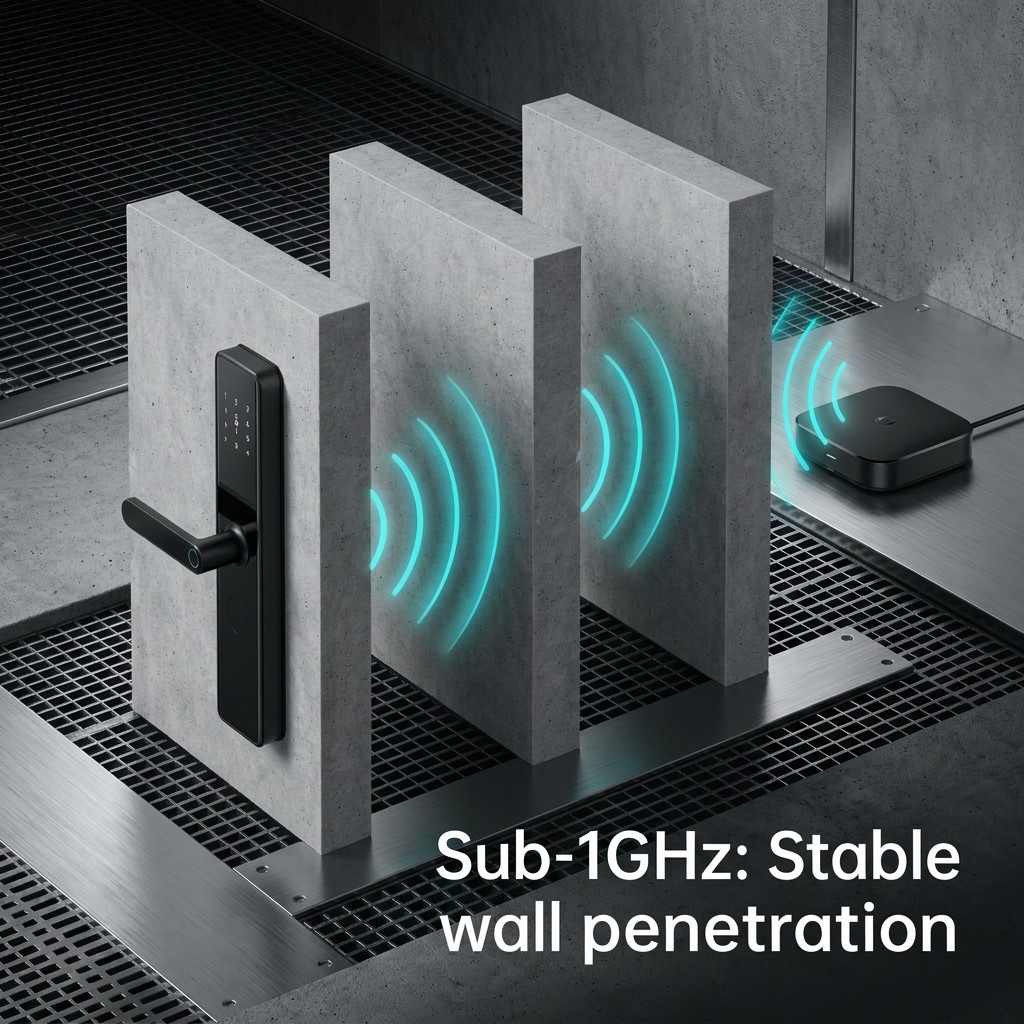
Integrating diverse physical devices requires standardized software interfaces to prevent proprietary hardware lock-in. Diyu Smart designs its multi-protocol hardware ecosystem to interface with third-party software via open RESTful APIs and MQTT message brokers. Edge gateways, including the 255MG-801 LoRaWAN gateway and CZ1000-256 wired concentrator, translate raw serial and RF frames into clean JSON payloads.
This standardized architecture allows university campus enterprise resource planning systems, factory human resource portals, and hotel PMS software to manage credentials, extract utility billing, and monitor system alarms through a single unified database.
One-Stop Sourcing Is Most Valuable When Integration Work Is Reduced
Procuring campus hardware through fragmented suppliers creates serious interoperability risks. Sourcing smart locks from one manufacturer, water meters from a second, and energy controls from a third forces engineering contractors to resolve complex protocol mismatches on site.
Diyu Smart operates as an AIoT hardware supermarket, supplying complete, pre-tested equipment bills of materials. By standardizing communication protocols, gateway concentrators, and data payload structures across locks, meters, and sensors, Diyu Smart eliminates on-site integration friction and significantly reduces overall project commissioning time.
Commission the Project as One System
Deploying a multi-building campus solution requires a structured engineering workflow that unifies zone planning with gateway architecture. Rollouts begin by defining access, metering, and safety requirements across perimeters, dormitories, academic buildings, and utility plant rooms, deploying industrial wired concentrators for vertical utility shafts and long-range LoRaWAN gateways for campus-wide wireless coverage.
Technical teams verify API data pathways to ensure edge concentrators publish standard JSON payloads directly to central management software, followed by staged zone-by-zone physical validation of lock credentials, meter pulses, and emergency alerts.
System integrators and campus facility directors planning comprehensive AIoT deployments can contact Diyu Smart to evaluate gateway architectures, or explore the multi-category hardware portfolio on the Diyu Smart official website (https://www.diyusmart.com/).
This article was originally published by IssueWire. Read the original article here.