(WorldFrontNews Editorial):- Hangzhou, Zhejiang May 6, 2026 (Issuewire.com) – What makes on-demand advertising and packaging cutter solutions lead the market? To understand this, one must look toward an Advanced Digital On-Demand Sign and Graphics Cutter Solutions Provider that bridges the gap between traditional craftsmanship and Industry 4.0 automation. By analyzing the technical benchmarks and service ecosystems of market leaders like IECHO, we can uncover the specific innovations that define modern efficiency.
Digital Integration vs. Conventional Mechanical Cutting
The primary differentiator in the modern market is the transition from rigid mechanical systems to flexible digital workflows. Traditional die-cutting often requires the physical fabrication of metal dies for every new box design or signage shape, a process that is both time-consuming and costly for small-batch orders. In contrast, digital on-demand solutions utilize advanced software to translate CAD designs directly into precision cuts.
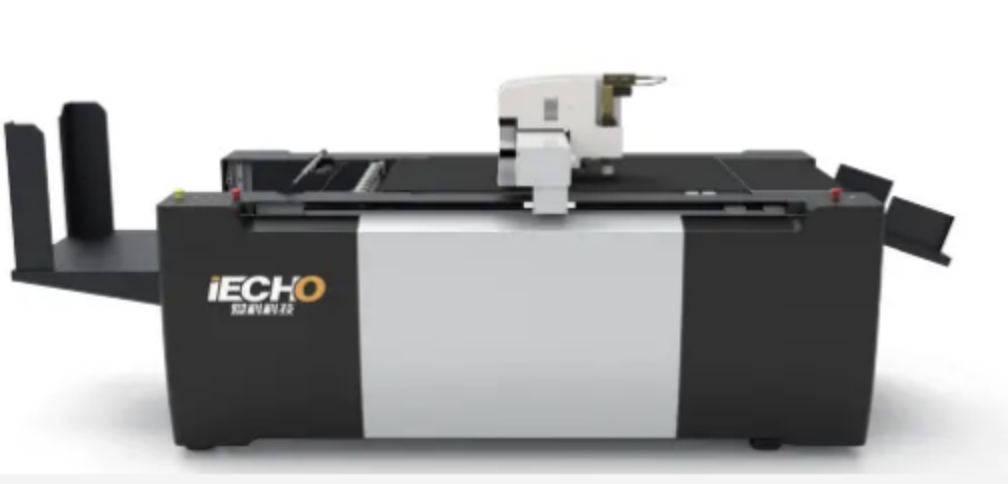
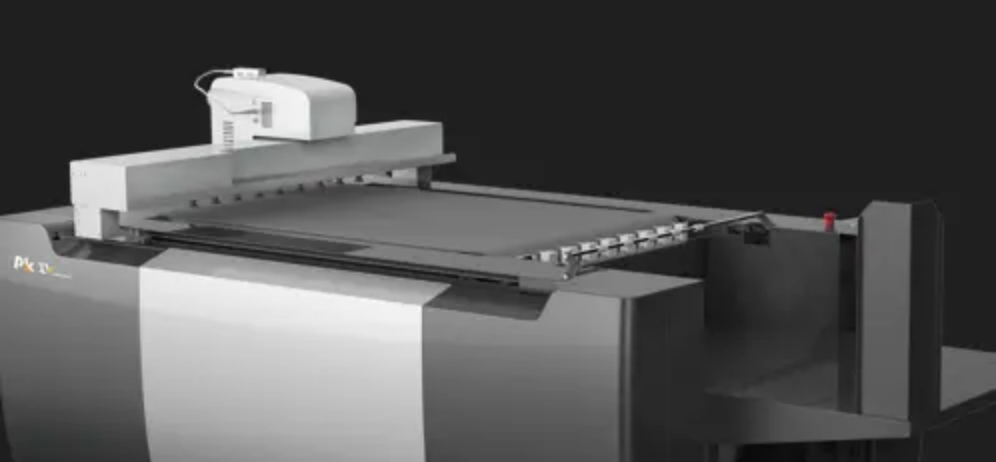
The competitive edge here lies in the “zero-tooling” approach. The PK4 Automatic Intelligent Cutting System empowers manufacturers to eliminate physical dies, allowing for seamless transitions between complex corrugated structures and creative promotional displays. This flexibility is not merely a convenience; it is a fundamental requirement for the short-run packaging and bespoke point-of-sale (POS) sectors. The PK4 integrates flawlessly with automated production lines, ensuring that the data flow from the designer’s desk to the fully automated cutting bed is uninterrupted and error-free.
PK4 High-Speed Intelligent Cutting vs. Legacy Manual Systems
Speed is the currency of the modern advertising industry. However, speed without precision results in wasted material and compromised brand graphics quality. When comparing the PK4’s high-speed intelligent modules to legacy systems, the fully automatic loading and unloading technology stands out as a transformative feature. While legacy systems struggle with downtime during material changeovers, the PK4 platform utilizes a high-definition vision system and specialized vacuum conveyor to maintain peak productivity.
IECHO has optimized this balance within the PK4 by utilizing a high-strength frame and precise motion control. Technical specifications for this automated system include a maximum cutting speed of 1200mm/s and a high-accuracy DK tool module. This ensures that even the most intricate patterns–such as those found in modern retail displays or custom decals–are executed with a deviation of less than 0.1 millimeters. Such precision reduces the need for secondary trimming, directly lowering labor costs and improving the overall yield of the print media.
Intelligent Nesting Algorithms vs. Standard Material Usage
Material costs typically account for 30% to 50% of the total production cost of a packaging. Therefore, the ability to maximize substrate utilization is a core competitive pillar. Competitors often provide basic nesting software, but market leaders distinguish themselves through AI-driven intelligent nesting algorithms.
These systems analyze the geometry of the packaging templates and calculate the most efficient arrangement on the board or vinyl roll in real-time. By utilizing the PK4’s integrated high-definition CCD camera, the system can account for printed registration marks and edge margins, improving material utilization significantly compared to standard software. Over a year of high-volume production, this percentage translates into tens of thousands of dollars in savings. Furthermore, the PK4’s vision system can detect printing defects on the fly, automatically adjusting the digital path to avoid flaws without stopping the automatic feeding process.
Modular Tooling Systems vs. Single-Purpose Machinery
The versatility of a cutting solution determines its long-term ROI. Many competitors offer machines dedicated to a single type of material or cutting method. However, the leaders in the advertising and packaging space employ modular head designs. The PK4 system can be equipped with a range of specialized tools, including the Electric Oscillating Tool (EOT) for honeyboard and foam core and the Kiss-Cut tool for precise vinyl sticker and label production. This modularity allows a factory to use the PK4 platform for everything from PP hollow boards to corrugated paper and rigid signage. The ability to swap tools swiftly ensures that the PK4 hardware remains relevant even as the factory’s product mix evolves. This “future-proofing” is a significant factor for businesses looking to scale their operations with a compact, all-in-one automated solution.
Global Service Infrastructure vs. Localized Support Gaps
Technical excellence is only one half of the leadership equation; the other half is the service ecosystem. Complex digital cutting systems require ongoing calibration, software updates, and professional training. Leading providers maintain a global network of certified technicians and remote diagnostic capabilities.
The difference becomes apparent when a machine requires maintenance. With the PK4’s intelligent interface, market leaders often utilize cloud-based monitoring to predict component failures before they occur. By providing 24/7 technical support and maintaining localized spare parts hubs, they ensure that factory downtime is kept to an absolute minimum. This reliability builds a level of trust that goes beyond the initial purchase price, positioning the provider as a long-term partner in the client’s growth rather than just a hardware vendor.
Sustainability through Automation vs. Resource-Intensive Production
In the current climate, sustainability is no longer optional. Traditional cutting methods often produce significant offcut waste and require high energy consumption. Modern digital cutters are designed with energy-efficient vacuum beds that only apply suction to the area currently being cut, significantly reducing electricity usage. Moreover, by enabling “on-demand” production, these machines help reduce the overproduction of inventory. Print shops can produce exactly what they sell, minimizing the environmental impact associated with discarded marketing materials. The synergy between high-precision hardware and waste-reducing software aligns these solutions with global ESG (Environmental, Social, and Governance) goals, making them the preferred choice for forward-thinking international brands.
Conclusion: The Path Forward in Digital Manufacturing
The dominance of top-tier on-demand advertising and packaging cutter solutions is the result of a holistic approach to manufacturing. It is not just about the speed of the knife, but the intelligence of the software, the versatility of the hardware, and the reliability of the support network. As the industry moves toward greater digitalization, the gap between those using optimized digital workflows and those stuck in legacy processes will only widen. For manufacturers seeking to maintain a competitive edge, investing in proven digital technology is the most direct route to increased profitability and operational resilience. By prioritizing precision, material efficiency, and modularity, these solutions are not just cutting substrates; they are shaping the future of the global advertising and packaging industry.
For more information on the latest innovations in digital cutting technology, visit: https://www.iechocutter.com/
This article was originally published by IssueWire. Read the original article here.