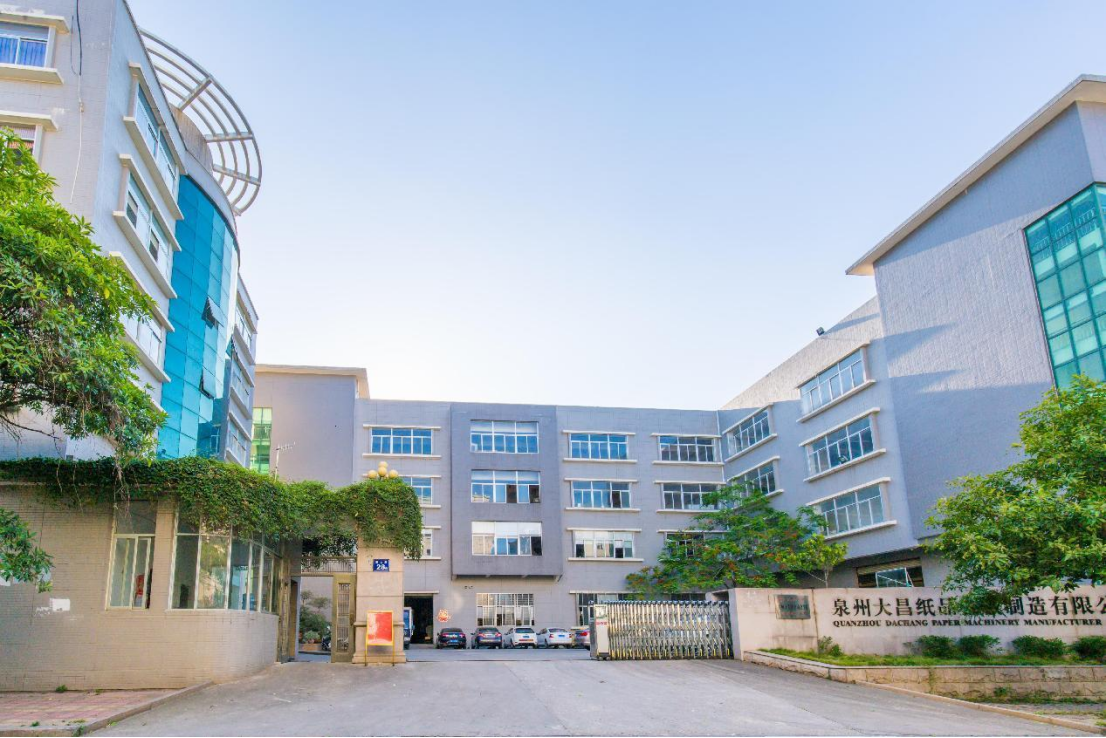
(WorldFrontNews Editorial):- Quanzhou, Fujian Jun 3, 2026 (Issuewire.com) – In the global industrial machinery landscape, transitioning from a regional manufacturer to an internationally recognized leader requires more than assembling high-quality components. It demands an absolute mastery of the entire lifecycle of a product–a paradigm known as “A Complete Process.” Established in 1998, Quanzhou Dachang Paper Machinery Industry Co., Ltd. has spent over a quarter of a century refining this comprehensive methodology. As China’s first high-tech enterprise integrating the research and development, manufacturing, sales, and cross-border distribution of fully automatic wet wipes machinery, the company has successfully closed the loop between conceptual engineering and lifetime field support. By addressing every phase from early-stage factory layout planning to precise CNC component fabrication and continuous technical iteration, the enterprise has secured its standing as a Top Rated Wet Tissue Machine Supplier. Exploring the operational philosophy behind this rise reveals ten foundational “secrets” that define their end-to-end industrial process.
Phase I: Conceptual Vision and Collaborative Engineering Design
Secret 1: Synchronized Research and Development Architectures
The lifecycle of advanced hygiene equipment does not begin on the factory floor; it originates within sophisticated engineering environments where industrial demands are translated into mechanical blueprints. To maintain technological leadership, a dedicated R&D division comprising over fifteen senior and intermediate engineering specialists collaborates on machinery mechanics, software architecture, and electrical integration. This focused R&D capability has allowed the company to accumulate 59 national patents, including essential invention and utility model patents that govern advanced folding, precision packaging, automated capping, and rigid tubing workflows. By maintaining absolute control over intellectual property, engineering designs are built to prevent operational bottlenecks before a single piece of steel is cut.
Secret 2: Customized Plant Infrastructure and Layout Optimization
Industrial efficiency depends heavily on the physical environment where equipment is deployed. Recognizing this, the company provides comprehensive factory planning and layout optimization long before any machinery is shipped. Mechanical engineers evaluate the customer’s floor dimensions, utility access points, and material workflows to design custom installation schematics. This initial planning ensures that incoming material rolls, liquid compounding tanks, and final packaging lines operate in physical harmony, minimizing material handling overhead and establishing a safe, compliant environment that meets international operational standards.
Secret 3: Proprietary Control System Integration
Modern manufacturing relies on intelligent automation. A major distinction for the company is its reliance on custom-developed software architectures rather than generic, third-party control applications. Holding seven proprietary software copyrights, the company equips its machinery with specialized intelligent production line monitoring systems and custom CNC machining control systems. These digital systems manage critical parameters such as automated web guiding, material tension control, and precise liquid dosing. This tight integration of proprietary software and robust hardware ensures the production lines remain stable and adaptable to future software upgrades.
Phase II: High-Precision Precision Manufacturing and Component Fabrication
Secret 4: Institutional Mastery of Automated Machining Centers
Translating a digital schematic into high-performance machinery requires an advanced manufacturing facility. Operational activities are centered within a 7,000-square-meter modern factory equipped with over 40 high-end processing assets. By utilizing fully automated machining centers and precision CNC machines, the company guarantees that every component–from heavy-duty structural frames to intricate rotary cutters–is fabricated to exact tolerances. This extensive in-house manufacturing capability minimizes variations in part dimensions, resulting in stable machinery, reduced vibration during high-speed runs, and an extended operational life.
Secret 5: Stringent Material Selection and Standardized Component Sourcing
The long-term reliability of a wet wipes line depends heavily on the quality of its structural materials. Raw materials undergo strict testing before entering production. Elements in direct contact with liquid formulations are made from high-grade, corrosion-resistant stainless steel to maintain hygiene integrity and resist chemical wear. For critical electrical, pneumatic, and drive systems, components are selected from trusted global supply partners. This combination of internal manufacturing precision and premium standardized components allows the machinery to comfortably pass strict international quality evaluations, achieving certified compliance with both European Union CE and SGS standards.
Secret 6: High-Speed Output with Mechanical Synchronization
The true test of manufacturing quality happens during high-speed, continuous operations. A clear example of this engineering approach is found in the DCW-4500J Full-Automatic 12-Lines Wet Wipes Folding Machine, a high-capacity system designed by DACHANG for large-scale production. Built to process spunlace nonwoven fabrics with weights ranging from 35 to 80 grams per square meter, this machine features an advanced non-stop automatic raw material splicing system. Operating at production speeds between 400 and 450 cuts per minute across multiple lanes, the mechanical assemblies synchronize raw material unwinding, automated web guiding, slitting, wetting, and precise stacking into a continuous process. This balanced mechanical design delivers high output without sacrificing product quality or consistency.
Phase III: Comprehensive Market Integration and Consultative Sales
Secret 7: Diverse Product Portfolio and Complete Line Solutions
Market leadership requires a product catalog that addresses diverse production needs. The product portfolio covers the full spectrum of hygiene manufacturing requirements, including single-sheet wet wipe machines, multi-sheet portable wet wipe lines, high-output baby wipe production lines, tub-type wet wipe machines, high-speed packaging systems, and robotic lid applicators. Rather than supplying standalone machines, the company provides complete, single-source manufacturing systems. This integrated product strategy eliminates the compatibility and integration challenges that often arise when sourcing machinery from multiple vendors.
Secret 8: Turnkey Consultative Distribution
The global sales process is handled through a collaborative, consultative approach designed to minimize risk for the buyer. Operating with an annual production capacity exceeding 150 customized sets of machinery, the commercial team manages international distribution across more than 60 countries and regions worldwide, alongside comprehensive coverage of domestic provinces. The sales process focuses on delivering clear turnkey solutions. Project managers oversee the full lifecycle of the order, providing explicit cost-benefit analyses, accurate delivery timelines, and detailed documentation. This transparent approach ensures that international buyers can plan their production schedules with confidence.
Phase IV: Lifetime Technical Support and Lifecycle Optimization
Secret 9: Rapid Field Commissioning and Operational Training
The complete process continues long after a machine arrives at a client’s facility. Every machinery deployment is backed by a dedicated field-engineering team responsible for on-site installation, technical calibration, and commissioning. Engineers remain on-site to run validation protocols under real factory conditions. Crucially, this phase includes structured operational training for the client’s technical staff. Local technicians receive hands-on instruction covering everyday operation, control interface navigation, preventative maintenance routines, and basic troubleshooting, ensuring the new production line transitions smoothly into profitable operation.
Secret 10: Lifetime Upgrades and Preventative Support
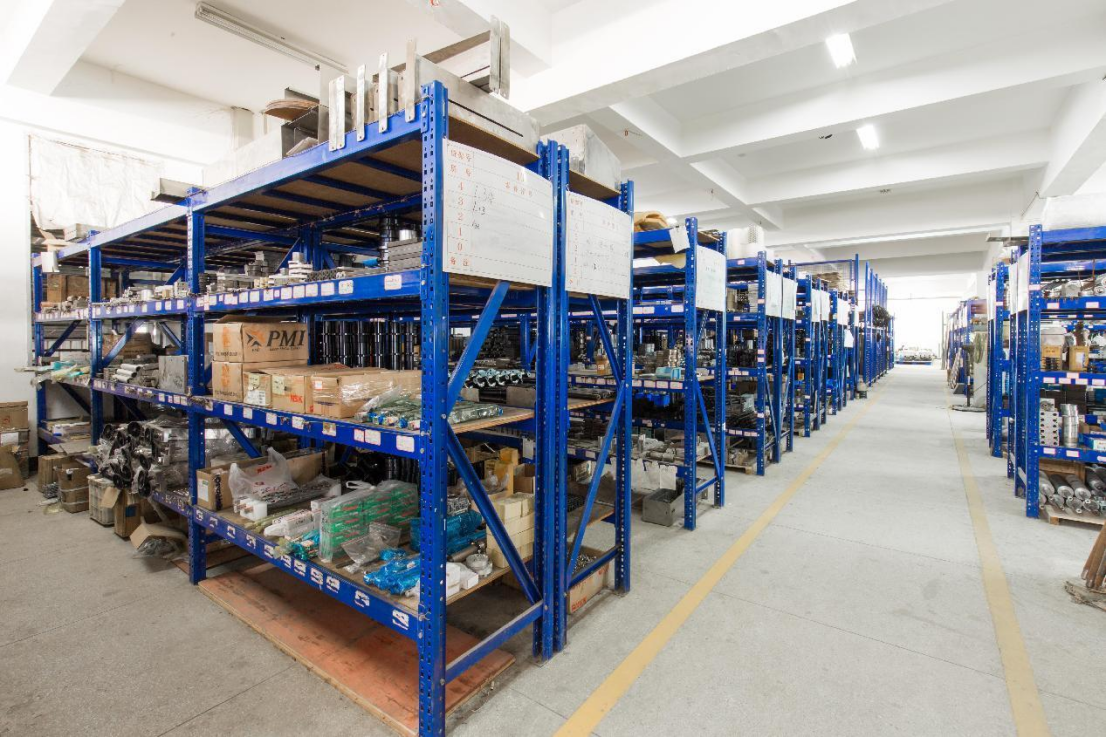
Modern industrial machinery represents a long-term capital investment that must remain productive for years. To support this, the company provides ongoing technical assistance, including a year-round inventory of original replacement parts and remote diagnostics for quick troubleshooting. Because industrial requirements change over time, the company supports lifetime mechanical upgrades and software updates. This allows older production lines to integrate new folding patterns, updated packaging formats, or smarter control systems as market demands evolve, protecting the client’s initial capital investment and maximizing long-term returns.
Conclusion: Engineering Sustained Industrial Value
The rise of Quanzhou Dachang Paper Machinery to prominence demonstrates that modern industrial success requires more than basic manufacturing capability. By executing a thoroughly integrated process–from initial engineering design and high-precision CNC manufacturing to global turnkey delivery and lifetime field support–the company has set a high standard for the hygiene machinery industry. Their balanced focus on technical innovation, robust software development, and reliable post-sale support ensures that global manufacturers receive a dependable, long-term production platform built to perform for years to come.
For detailed equipment specifications, project examples, and complete manufacturing solutions, visit the official enterprise repository: https://www.wipesmachinery.com/
This article was originally published by IssueWire. Read the original article here.