(WorldFrontNews Editorial):- Nanjing, Jiangsu Jun 24, 2026 (Issuewire.com) – In zero-visibility hot zones, emergency response personnel must continuously monitor thermal baselines while performing labor-intensive tasks like forced entry, victim transport, and hose line management. Handheld vs. Helmet configurations represent the two primary methodologies for delivering real-time thermal imaging data to frontline teams. For global procurement officers looking to partner with a reliable High Quality Firefighting Thermal Imaging Camera Exporter, analyzing the true impact of hands-free search and rescue systems reveals a significant evolutionary shift in tactical operations. Traditional handheld cameras require manual operation, which inevitably restricts a responder’s physical agility. In contrast, modern head-mounted arrays integrate diagnostic imagery directly into the responder’s personal protective equipment (PPE).
Evaluating these two deployment styles across distinct operational dimensions shows how head-mounted systems improve execution efficiency and team safety under extreme physical strain.
Manual Deployment vs. Ergonomic Agility
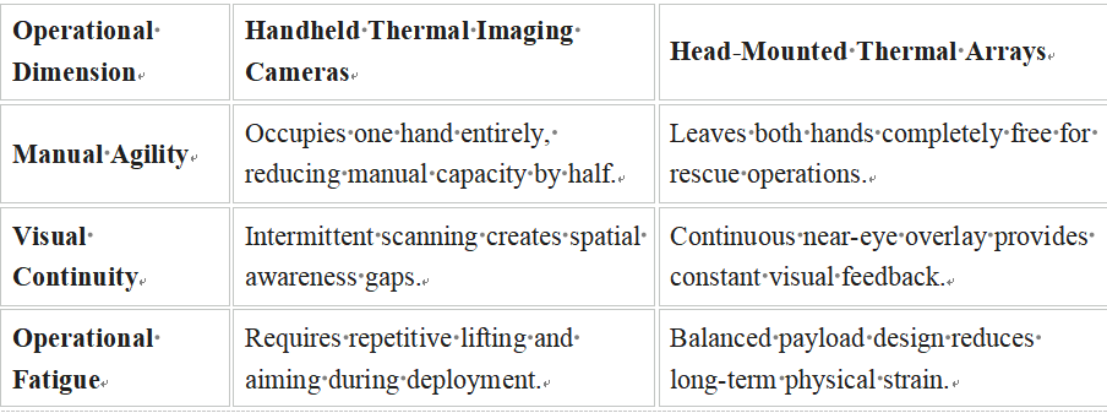
When assessing operational efficiency in active fire zones, physical ergonomics are directly linked to team safety. Handheld thermal imaging cameras require a firefighter to dedicate one hand entirely to holding, aiming, and stabilizing the device. In high-stress situations, this manual requirement reduces physical working capacity by half. A responder holding a camera cannot simultaneously maintain a continuous line contact, grip an extraction tool with full leverage, or provide two-handed physical support to an injured victim. This constraint can slow down structural search speeds and increase the time it takes to complete primary searches.
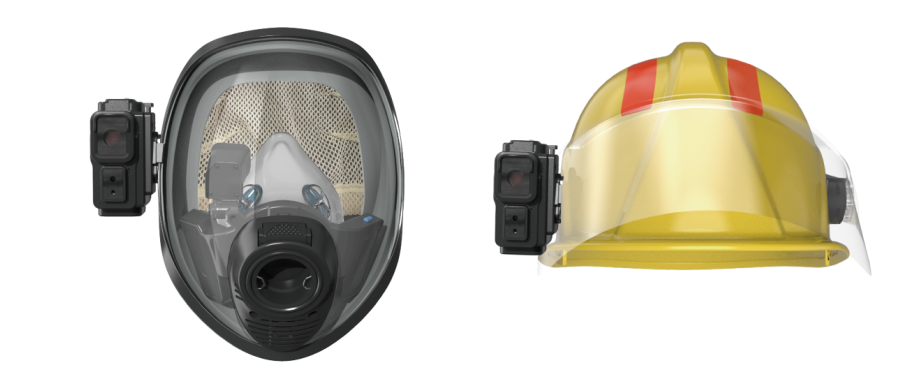
Head-mounted systems overcome these physical limitations by shifting the equipment payload to the user’s existing protective gear. By integrating infrared sensors directly onto the responder’s helmet or breathing apparatus, these systems allow teams to move with both hands completely free. This ergonomic shift allows firefighters to sweep rooms, move structural debris, and clear exit paths without dropping or misplacing their diagnostic tools. Eliminating the need to constantly lift, aim, and store a handheld camera lowers cognitive fatigue and allows personnel to focus on navigating hazardous spaces safely.
Intermittent Scanning vs. Continuous Near-Eye Visualization
The method used to view thermal data significantly impacts a responder’s situational awareness. Handheld thermal imaging units are typically used for intermittent scanning. A firefighter must raise the unit, look at the screen, interpret the image, and then lower the device to move forward. This cyclical process creates brief gaps in spatial awareness, as the user must switch their focus between the small camera screen and the surrounding dark environment. This regular adjustment can cause temporary visual disorientation in heavy smoke.
Head-mounted units, such as specialized mask-mounted infrared thermal imagers, address this issue by providing continuous near-eye visualization. These devices feature an internal micro-display module positioned near the user’s eye, creating a virtual viewing experience comparable to watching a 60-inch screen from three meters away. This configuration allows firefighters to monitor changing fire dynamics, locate thermal anomalies, and view structural paths simultaneously, without needing to pause their movements or shift their grip.
Localized Hardware Diagnostic vs. Real-Time Telemetry Streaming
Traditional handheld thermal cameras operate as isolated, localized diagnostic tools. The critical thermal data, temperature spikes, and structural vulnerabilities observed by an individual firefighter remain confined to that specific device unless manually communicated over voice radio channels. This lack of automated data sharing limits the incident command post’s ability to monitor changing interior hazards in real time, turning the camera into a localized resource rather than an integrated network component.
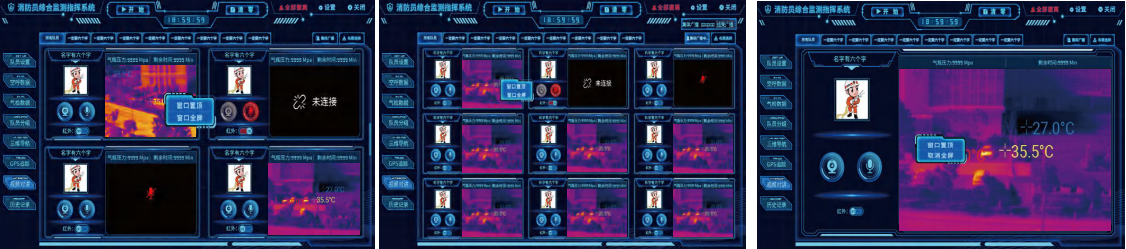
Modern head-mounted configurations, including advanced helmet-mounted infrared thermal imagers, serve as active data nodes within a broader emergency communication network. These devices feature built-in cellular modules, such as 4G LTE, alongside dual-positioning systems like GPS and BDS to stream live thermal video directly to external command centers. This connection gives incident commanders a real-time, first-person view of interior structural conditions and fire movement. Backstage monitoring teams can actively evaluate convective heat shifts and coordinate interior teams using live, objective visual data. Onboard high-capacity solid-state storage also archives all recorded footage, providing clear video records for post-incident analysis and training.
Basic Image Refresh vs. Multi-Sensor Environmental Analytics
Early handheld thermal imagers focused primarily on basic visual contrast, showing simple differences between hot and cold surfaces. While helpful for locating large heat sources, standard uncooled microbolometers can struggle to maintain clear edge definition when exposed to sudden, extreme temperature shifts. This limitation can make it difficult for responders to quickly differentiate between structural features, dense smoke layers, and victims in complex environments.
To provide clearer visual information, modern hands-free thermal imagers use multi-sensor arrays that combine long-wave infrared (LWIR) sensors with visible-light cameras. Advanced digital image processing algorithms overlay these two data streams, enhancing edge details and improving visibility through thick smoke. Many models also include built-in laser indicators, allowing team members to quickly point out specific heat sources or structural hazards to one another. These integrated electronics are designed for low power consumption, keeping the battery pack compact and reducing head-borne weight to prevent neck fatigue during extended search and rescue operations.
Standard Equipment Supply
Deploying advanced personal protective equipment on a large scale requires strong manufacturing capabilities, dedicated research infrastructure, and reliable technical support. Standard hardware suppliers often provide off-the-shelf products that cannot be easily modified to meet unique regional regulatory requirements or specific operational preferences. This lack of flexibility can create integration challenges for public safety agencies with distinct equipment standards.
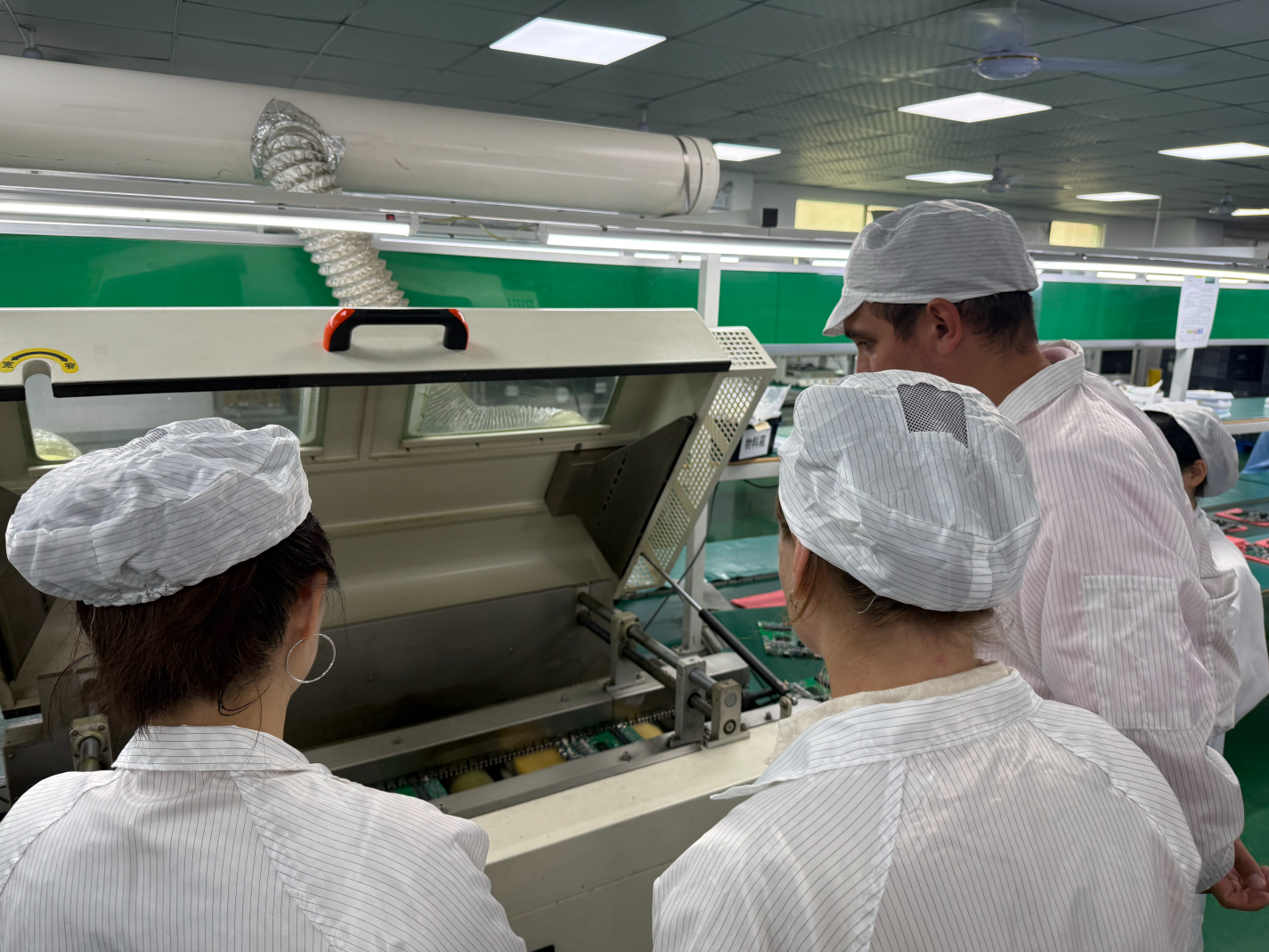
Addressing these specialized manufacturing needs, ZHENGZE has focused on developing intelligent emergency rescue equipment since its establishment in March 2004. Operating from a 5,000-square-meter facility with a team of over 200 employees, the company manages the entire product lifecycle internally. Holding more than 100 core patents, the enterprise provides comprehensive services including function customization, industrial design, structural component production, mold fabrication, and international certification management. This vertically integrated manufacturing model allows the company to customize hands-free thermal systems to meet precise operational, structural, and regulatory requirements across global safety markets.
For complete product technical specifications, engineering compliance data, and global procurement inquiries, please visit the official corporate portal at: https://www.zhengzesafety.com/
This article was originally published by IssueWire. Read the original article here.