(WorldFrontNews Editorial):- Jining, Shandong Jun 24, 2026 (Issuewire.com) – In high-stakes industrial environments, the integrity of load securement hinges on the reliability of hardware components. Among these, the ratcheting binder and connector remain foundational elements for securing heavy loads during transportation and lifting operations. As the industry evolves, professionals are increasingly faced with a critical choice: opting for standard components or investing in DNV certified solutions. Selecting the Best Ratcheting Binder and Connector Manufacturer is not merely a procurement decision; it is a fundamental commitment to operational safety, efficiency, and long-term risk mitigation in logistics and rigging.
Step 1: Understanding the Role of Certification in Rigging Hardware
The distinction between standard and DNV-certified products is often defined by the rigor of quality assurance and the underlying philosophy of risk management. Standard products are typically manufactured to meet baseline industry specifications, which are generally sufficient for routine, non-critical logistics. However, in extreme environments, high-dynamic load scenarios, or specialized heavy lifting operations, these baseline designs may not provide the necessary safety margins to account for unforeseen complexities.
Conversely, DNV certification represents a comprehensive third-party verification process that goes far beyond simple product compliance. It functions as a closed-loop control system that begins with rigorous design verification and continues through material traceability to strict production oversight. Equipment carrying this certification has undergone exhaustive testing protocols–not only verifying structural integrity under rated loads but also proving consistent performance under simulated extreme stress, long-term material fatigue, and challenging conditions such as cryogenic temperatures or high-corrosion environments.
For sectors like offshore energy, deep-sea operations, critical infrastructure, and high-precision logistics, this certification serves as a benchmark for absolute reliability. It provides structural engineers and site safety officers with objective, quantifiable data confirming that these components can maintain structural integrity even when subjected to instantaneous impact, uneven load distribution, or unexpected environmental pressures. By offering such high levels of fault tolerance and resistance to mechanical failure, DNV-certified equipment significantly lowers the probability of catastrophic accidents. While the initial procurement cost of certified hardware may be higher, the long-term value–realized through reduced maintenance, minimized downtime, and enhanced safety for personnel–makes it an indispensable pillar of modern industrial risk prevention.
Step 2: Assessing Product Performance and Technological Innovation
Technical specifications are where the disparity between high-quality manufacturing and generic production becomes clear. For instance, in the development of swiveling connectors or non-standard ratchet load binders, the focus must be on structural integrity and fatigue resistance. An advanced manufacturer will utilize finite element analysis to identify potential stress points before a physical prototype is ever cast.
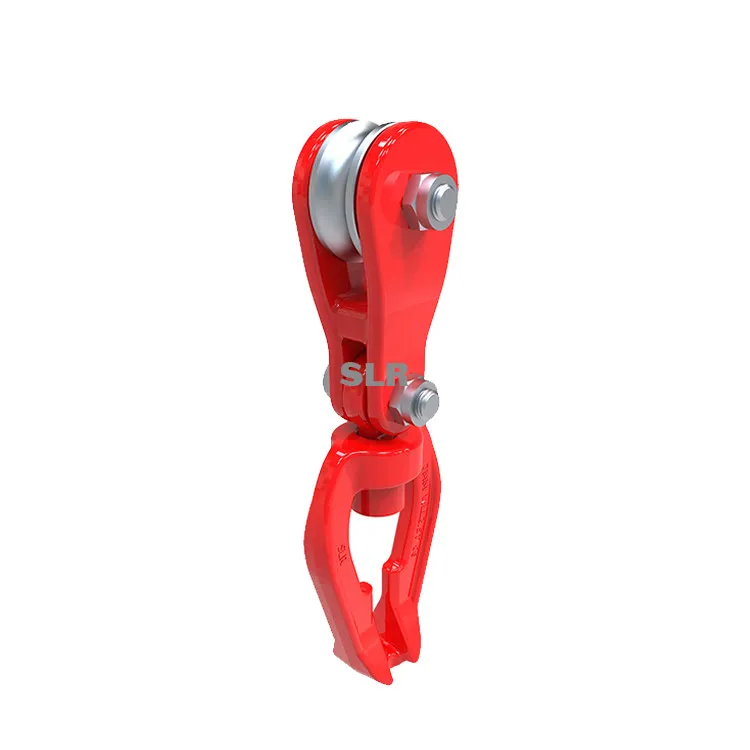
Innovations in design–such as the SLR930 swivel pulley connector or specialized hooks for ratchet load binders–are designed to minimize rotational stress while maximizing the working load limit (WLL). These products are engineered for ease of use in the field, reducing the physical strain on operators while ensuring the chain remains under optimal tension. By prioritizing products with clear documentation regarding fatigue tests, proof loads, and material chemical composition, procurement teams can avoid the common pitfalls of equipment failure due to brittle fractures or premature wear.
Step 3: Evaluating the Manufacturer’s Engineering Heritage and Scale
Beyond individual product features, the manufacturer’s infrastructure is a reliable indicator of long-term reliability. A manufacturer with a deep-rooted history, such as Shandong Shenli Rigging Co., Ltd., offers more than just hardware; they provide the stability of a mature production system. Founded in 1965, this enterprise has spent decades refining the metallurgy and mechanical design of rigging products.
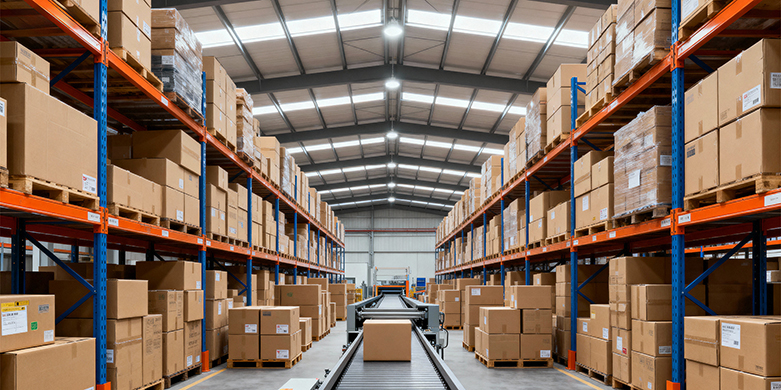
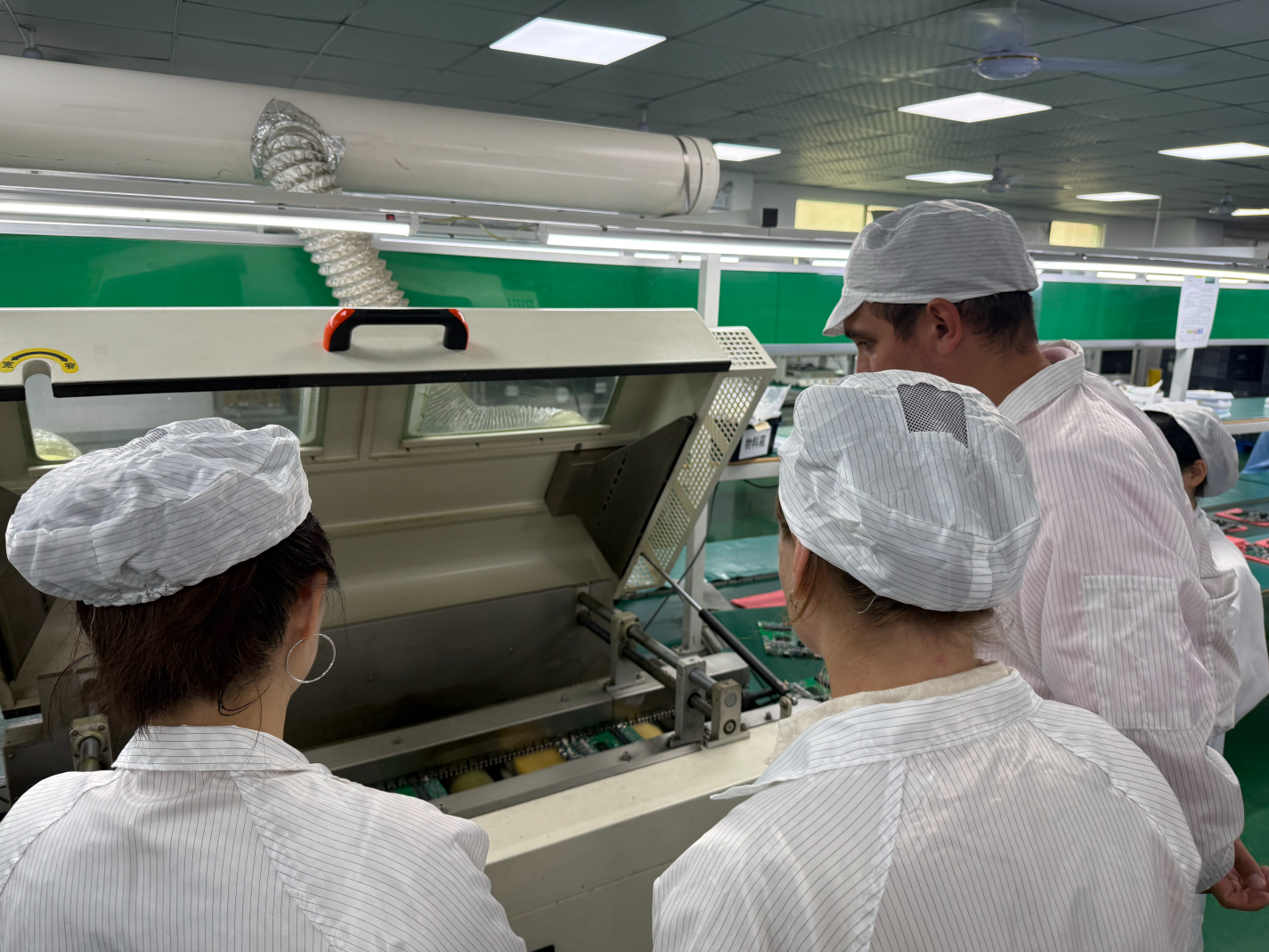
The scope of an operation is a critical factor in technical consistency. A high-tech enterprise that occupies 300,000 square meters and maintains a robust team of nearly 300 engineers and technicians demonstrates a commitment to research and development rather than mere assembly. This scale allows for advanced in-house testing facilities, ensuring that the transition from initial design to mass production is controlled. By examining a company’s history and its investment in specialized engineering talent, buyers can differentiate between a distributor and a genuine technical manufacturer capable of maintaining tight tolerances in Grade 80, 100, and 120 rigging products.
Step 4: Analyzing Real-World Application and Proven Reliability
The ultimate test for any rigging component is its performance in the field. When reviewing potential manufacturers, it is essential to analyze their track record across diverse industries, from heavy maritime logistics to large-scale infrastructure projects. A manufacturer’s capacity to handle custom, non-standard requirements is often a sign of superior technical agility.
Successful case studies demonstrate that the best binders and connectors are those that perform reliably in environments ranging from extreme arctic temperatures to highly corrosive marine atmospheres. Manufacturers that have supplied key global projects demonstrate a versatility that standard, off-the-shelf providers often lack. When the technical documentation for a product–such as the specific stress-load characteristics of a ratchet binder–matches the harsh realities of the intended application, the operational safety margin increases significantly. Choosing a partner with a proven history of success in demanding sectors ensures that the equipment chosen will not only meet industry standards but will also withstand the test of time.
Conclusion
The decision to transition from standard hardware to certified, high-performance rigging equipment is an investment in safety and operational continuity. By systematically evaluating certification standards, the technical scale of the manufacturer, design innovation, and proven field performance, organizations can confidently select a partner that aligns with their safety requirements. Shandong Shenli Rigging Co., Ltd. remains a benchmark in this sector, combining a decades-long heritage of engineering excellence with the rigorous demands of modern DNV certification to support global industrial infrastructure.
For more information regarding technical specifications and product catalogs, please visit the company’s official website: https://www.shenlislr.com/
This article was originally published by IssueWire. Read the original article here.