(WorldFrontNews Editorial):- Shenzhen, Guangdong Jun 25, 2026 (Issuewire.com) – Dimensional Footprints and Energy Trade-Offs in Modern Wearable Architecture
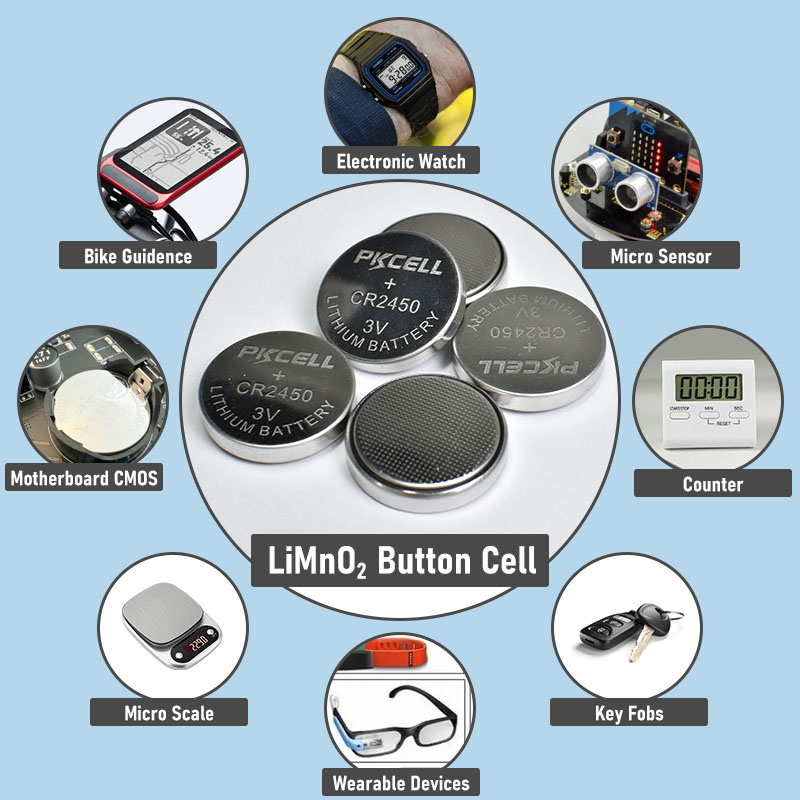
Wearable electronics have gotten genuinely small. Fitness rings, medical monitoring patches, smart jewelry, industrial IoT sensors — the common thread across all of them is that the internal components, including the power source, need to fit into an enclosure designed around how something looks and feels on a body, not around what’s convenient for an engineer. That constraint makes battery selection more consequential than it might appear from the outside. Specify the wrong cell and you’re either dealing with a device that’s thicker than the market will accept, or one that dies before it should. For hardware teams working through this tradeoff, partnering with a qualified China Leading Lithium Button Cell Battery Supplier early in the design process is worth considerably more than it might seem at the prototype stage.
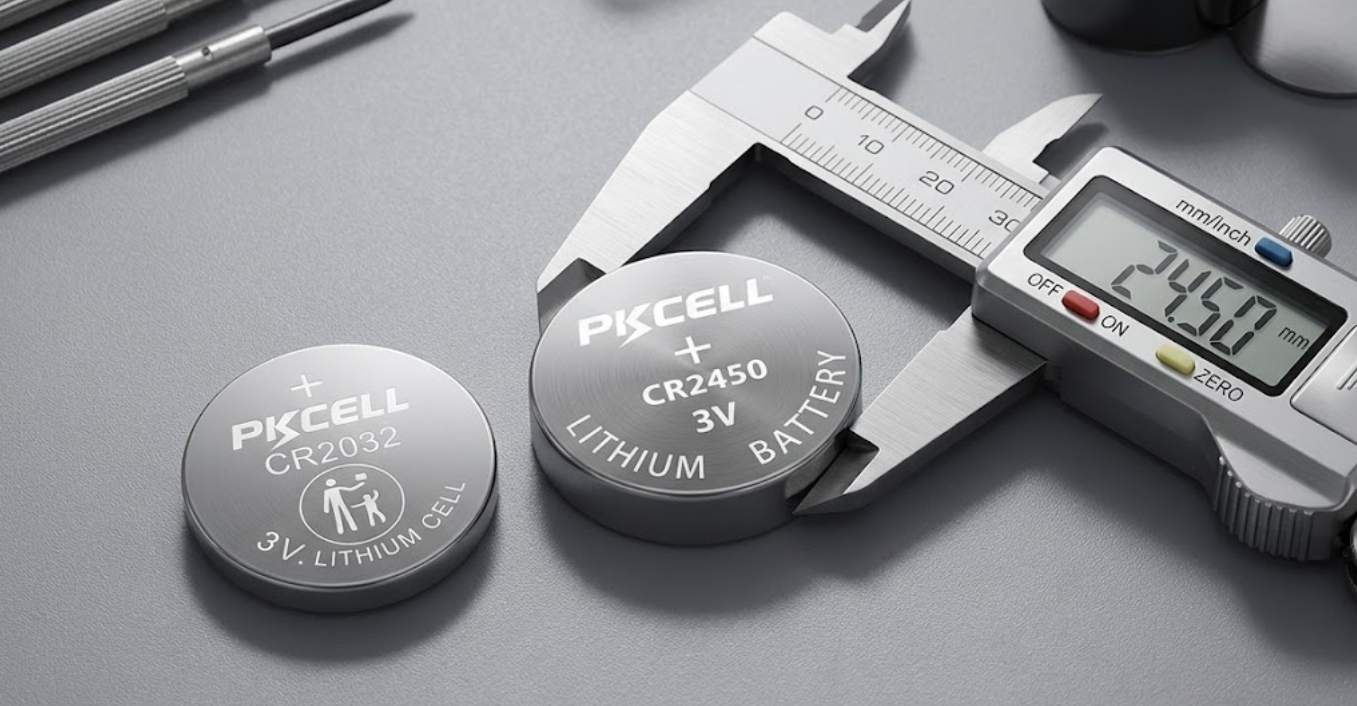
The CR2032 is the more familiar of the two cells under comparison here. At 20.0mm in diameter and 3.2mm thick, it fits into slim-profile applications — smart rings, discrete health patches — where vertical clearance is the binding constraint. The tradeoff is capacity: the compact housing limits active material volume, and the resulting nominal capacity sits at roughly 220mAh. That’s workable for low-drain applications with infrequent wireless activity, but it puts a ceiling on what the device can do before needing replacement.
The CR2450 trades some of that thinness for energy. At 24.5mm in diameter and 5.0mm thick, it asks for more vertical space on the PCB, but delivers around 600mAh — approximately three times the capacity of the CR2032. For devices with more active wireless communication cycles, that difference in runtime is substantial. Whether the extra thickness is acceptable depends entirely on the product’s form factor requirements, which is why this decision usually has to be made alongside the industrial design team rather than purely within engineering.
Discharge Performance Kinetics and Pulse Capacity Under Load
Both cells use Lithium Manganese Dioxide chemistry and both deliver a nominal 3.0V output with a flat discharge curve — characteristics that matter for sensitive microchips that don’t tolerate voltage fluctuations well. In steady-state low-drain operation, the two cells perform similarly in terms of voltage stability. The differences become relevant when the device’s RF transceiver activates.
Bluetooth Low Energy and Zigbee transmissions demand brief but meaningful current bursts. Internal resistance determines how well a cell handles those pulses without dropping voltage below the microcontroller’s cutoff threshold. The CR2450’s larger electrode surface area gives it lower internal impedance, which translates directly into better pulse handling — the voltage stays stable through transmission events that would cause a more noticeable dip in the CR2032. That dip in the smaller cell isn’t necessarily a dealbreaker, but it does mean design teams need to account for it, typically by specifying appropriate decoupling capacitors on the board.
Self-discharge is worth mentioning here too. High-quality lithium button cells from reputable manufacturers maintain annual self-discharge rates below 1% at room temperature, which means a device sitting in retail distribution for a year or two arrives with most of its capacity intact. That shelf life characteristic matters for consumer electronics brands managing global inventory pipelines where sell-through timing is unpredictable. It’s also worth noting that for applications outside the wearable space — utility metering infrastructure, for instance — coin cells aren’t the right technology at all. Applications like smart water and electricity meters require ruggedized cylindrical lithium formats with very different capacity and current delivery profiles, and the selection logic there diverges significantly from what applies to consumer wearables.
Automation-Driven Precision and Diversified Lead/Tab Customization by PKCELL
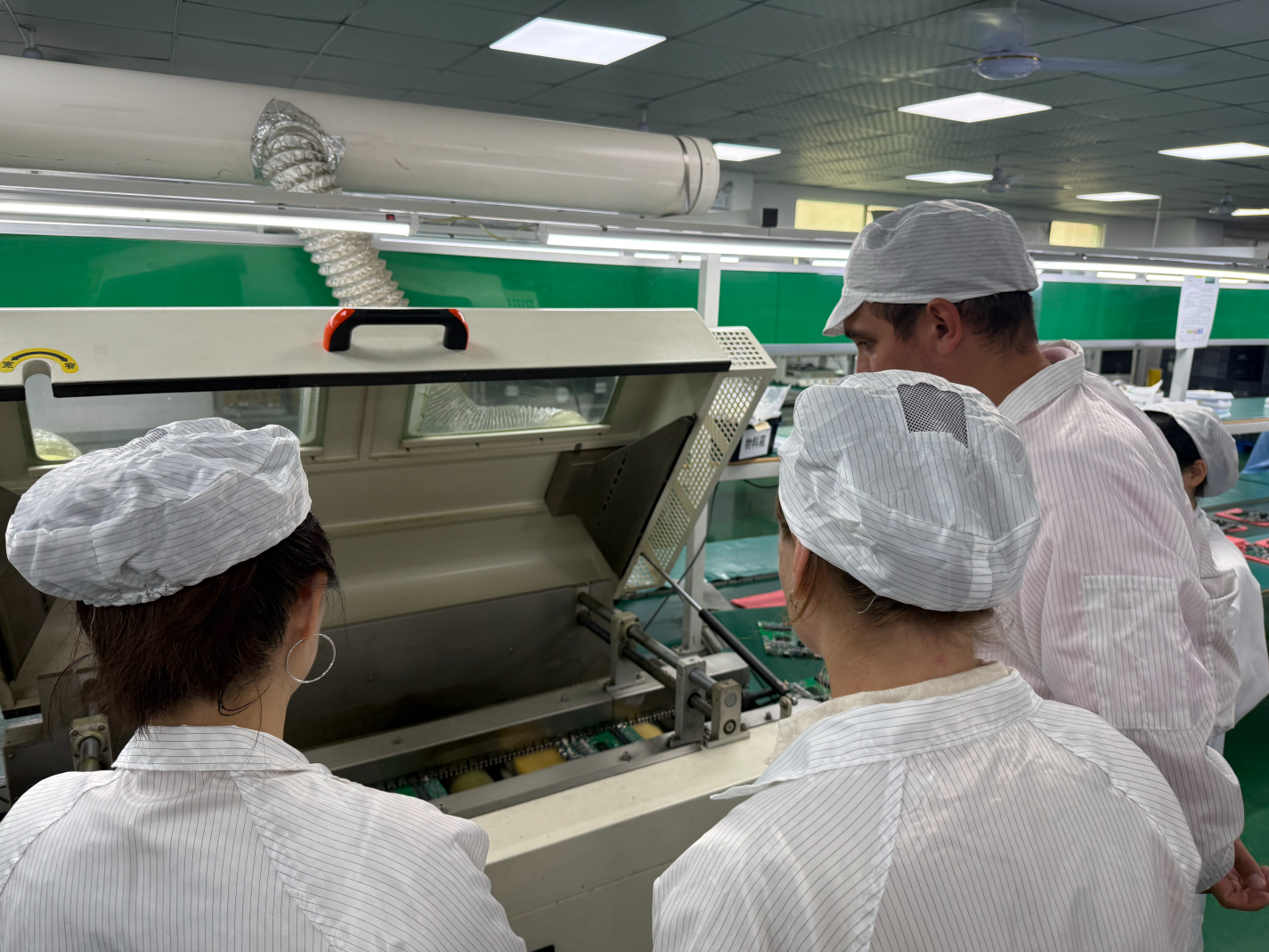
At production volumes typical of consumer electronics, cell-to-cell consistency matters more than the spec sheet performance of any individual unit. Minor variations in internal resistance across a batch can create instability in high-density board layouts and show up as premature failures in the field — the kind that generate warranty claims and negative reviews before anyone understands the root cause. PKCell (Shenzhen Pkcell Battery Co., Ltd.) addresses this through automated robotic grading systems that evaluate open-circuit voltage and internal resistance on every cell, rejecting substandard units before they reach packaging. The result is a level of batch consistency that manual inspection processes at high volumes simply can’t replicate.
Terminal customization is another area where the manufacturing capability directly affects the customer’s assembly process. Standard bare coin cells work fine in traditional plastic battery retainers, but high-vibration environments or automated SMT production lines often require cells to be soldered directly to the board. PKCell offers a range of factory-fitted terminal options — vertical solder tabs, horizontal pins, custom insulated wire leads — designed to work with automated pick-and-place equipment and eliminate manual insertion steps from the assembly line.
The tab attachment process uses automated laser spot welding rather than conventional soldering, which is relevant because heat exposure is a real risk during tab attachment. Standard soldering can degrade the internal separator or cause gas expansion inside the cell, shortening lifespan in ways that may not be obvious until the device is in the field. Laser micro-welding forms strong mechanical bonds at the casing surface without transmitting damaging heat levels into the cell’s internal chemistry. Shenzhen Pkcell Battery Co., Ltd. applies this process across its custom tab portfolio, meaning the finished cells can go through industrial wave soldering on the customer’s production line without performance loss.
De-Risking Consumer Tech Procurement: Supply Chain Consistency and Global Compliance
Wearable devices occupy a regulatory category that gets scrutinized more carefully than most consumer electronics because they’re worn directly against skin. That means the battery component needs to arrive with documentation already in order — CE, IEC 60086-4, RoHS — rather than leaving compliance verification to the device manufacturer. PKCell’s production lines operate under ISO 9001 quality management with independent laboratory certification across its lithium button cell lineup, covering both the safety and environmental compliance requirements that matter most in the markets where wearables sell.
From a supply chain risk perspective, the manufacturing consistency that automated grading and precision assembly provide has a direct commercial value. Lower field defect rates mean lower warranty costs and fewer reputation-damaging return events during the product launch window. For brands releasing into competitive consumer markets where review cycles are fast and unforgiving, that downstream reliability is worth factoring into the supplier evaluation alongside unit price.
The choice between CR2032 and CR2450 ultimately comes down to what the product’s enclosure can accommodate and what its wireless activity profile demands. Neither cell is universally superior — each is the right answer for a specific set of design constraints. What makes the selection process tractable is working with a manufacturer whose engineering team understands both the electrochemical tradeoffs and the practical manufacturing requirements of high-volume consumer electronics production.
Corporate Website: https://www.pkcellpower.com/.
Media Contact
Shenzhen Pkcell Battery Co., Ltd.
902, Tower B, Hongrongyuan North Station Center, North Station Community, Minzhi Street, Longhua District, Shenzhen, China
This article was originally published by IssueWire. Read the original article here.