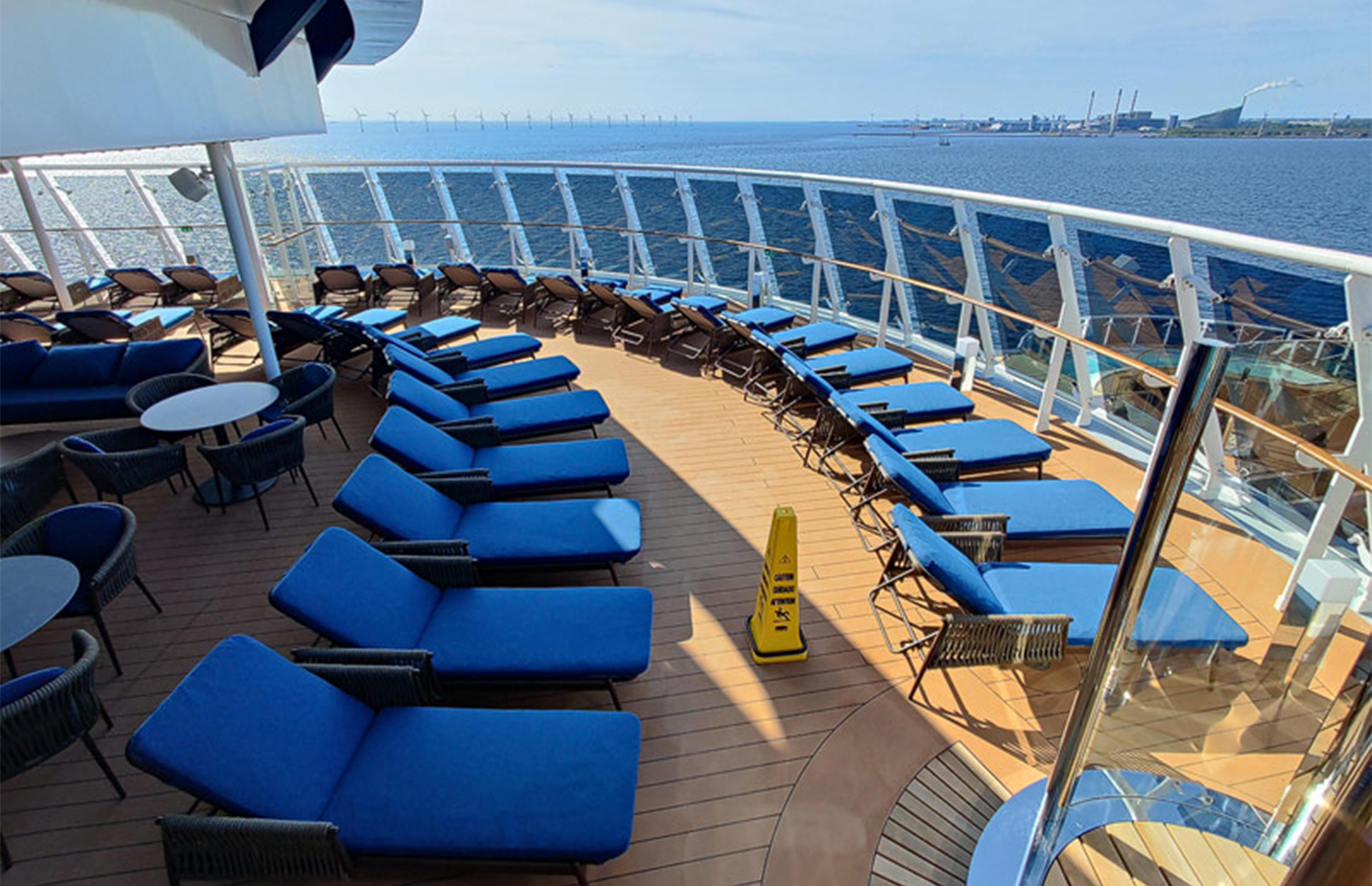
(WorldFrontNews Editorial):- Guangzhou, Guangdong Jun 30, 2026 (Issuewire.com) – The maritime industry currently faces a critical challenge as cruise ship architecture evolves toward higher passenger densities and more diverse onboard experiences. Unlike land-based hospitality, every square meter of a vessel deck represents high-value real estate that must generate both aesthetic appeal and operational revenue. Modern naval architects seek more than just furniture; they require a sophisticated integration of spatial engineering and material science. Artie (Artie Garden International Ltd.) addresses this demand by providing high-performance maritime assets that balance passenger comfort with strict safety and weight constraints. As an Advanced Cruise Liner Outdoor Lounge Solutions Provider, the brand assists global cruise lines in navigating the complexities of open-deck layouts. By optimizing the “revenue-per-square-meter” through modular design and technical innovation, Artie Garden International Ltd. ensures that modern vessels can deliver luxury experiences without compromising functional efficiency.
The Revenue-per-Square-Meter Challenge in Maritime Deck Design
Maritime deck design operates within a “Limited Real Estate” paradox. Cruise operators must maximize seating capacity to accommodate thousands of passengers while maintaining an atmosphere of exclusivity and spaciousness. A congested pool deck directly impacts passenger satisfaction scores and can impede flow during peak transit times. Furthermore, furniture layouts must comply with stringent maritime safety codes, ensuring that circulation paths remain clear for emergency egress. These requirements turn every procurement decision into a spatial optimization exercise.
In recent years, the industry has shifted away from static, heavy furniture toward more adaptive systems. Artie Garden (Artie Garden International Ltd.) recognizes that deck layouts must remain dynamic to support different activities throughout the day. A pool area may function as a high-density sunbathing zone at noon and a sophisticated lounge for cocktail events by evening. This transition requires furniture that staff can move, stack, or reconfigure with minimal effort. By focusing on the intersection of maritime architecture and passenger behavior, the company provides technical solutions that enhance the ship’s overall operational flow.
Modular Logic: Engineering Flexibility for High-Traffic Pool Decks
The implementation of modular logic serves as a primary strategy for managing high-traffic maritime environments. Artie Garden International Ltd. develops lounge systems that allow for diverse configurations, enabling designers to fit more units into irregular deck shapes. These modular pieces can serve as individual loungers or be grouped into large communal islands, depending on the passenger demographic of the voyage. This flexibility ensures that the deck remains functional regardless of the specific event or passenger load.
Operational efficiency also extends to the maintenance and cleaning protocols of the ship. Many cruise lines, including Royal Caribbean Cruises, have utilized these strategies in projects like the “Star of the Seas.” Lightweight, modular designs allow maintenance crews to clear the deck quickly for nightly pressure washing, a critical task in preventing salt-build-up and ensuring hygiene. Moreover, the design language of the lounge chairs facilitates smoother foot traffic. By utilizing tapered silhouettes and optimized footprints, Artie reduces the physical and visual clutter on deck. This engineering approach ensures that even high-density seating areas feel organized and luxurious.
Material Weights and Vessel Efficiency: The Hidden Economics of Aluminum
Weight management remains a cornerstone of naval engineering. Every kilogram added to the upper decks influences the vessel’s center of gravity and, consequently, its stability and fuel consumption. Many traditional luxury materials are too heavy or susceptible to corrosion for permanent maritime use. To address this, Artie (Artie Garden International Ltd.) utilizes high-strength, lightweight aluminum alloys for its furniture frames. Aluminum provides the necessary structural integrity to withstand hurricane-force winds while weighing significantly less than steel or solid synthetic options.
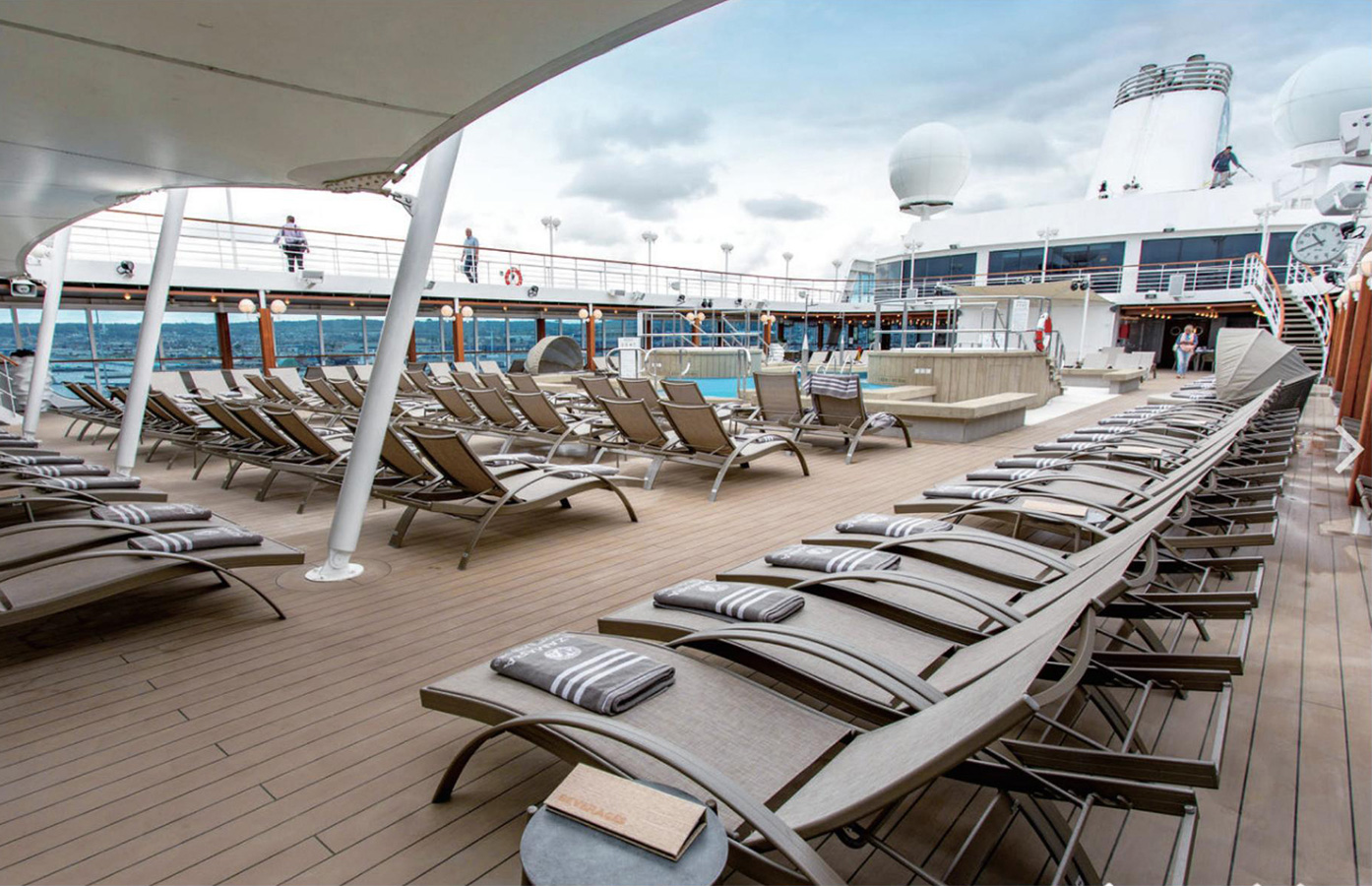
The economic benefits of this weight reduction are substantial. Reducing the total weight of the deck furniture lowers the vessel’s overall displacement, which contributes to decreased carbon emissions and lower fuel costs over the ship’s lifecycle. Furthermore, these aluminum frames feature maritime-grade powder coatings that resist the corrosive effects of constant salt-spray exposure. In projects like the “Azamara Quest,” the durability of these materials proved essential. By choosing materials that do not rust or degrade in saline air, cruise operators avoid the recurring costs of replacement and the logistical headache of frequent refurbishments at sea.
Passenger Psychology: Creating “Private Sanctuaries” within Open Deck Layouts
While density is a commercial necessity, passenger psychology dictates the need for privacy and personal space. Modern travelers seek “private sanctuaries” where they can disconnect from the crowd, even in high-traffic areas. Artie Garden International Ltd. utilizes behavioral design to create these micro-environments. By incorporating ergonomically curved lounge chairs and high-backed woven structures, the furniture provides a sense of “psychological enclosure.” This design strategy satisfy the primal human desire for protection and personal boundaries without requiring permanent walls or heavy partitions.
Handwoven textures also play a vital role in humanizing the industrial environment of a cruise ship. The organic feel of PE wicker provides a tactile warmth that contrasts with the steel and glass of the vessel’s superstructure. This texture absorbs sound and reduces visual glare from the sun, creating a more serene atmosphere for relaxation. By strategically spacing these “sanctuary pieces,” designers can naturally guide passenger movement and prevent common issues like “deck chair hogging.” When the furniture itself defines the personal space, passengers feel less compelled to claim multiple chairs, leading to a more equitable and relaxed deck experience.
Conclusion: Future-Proofing Cruise Liner Assets through Strategic Procurement
The role of an outdoor furniture provider has evolved from a simple vendor to a “Spatial Strategist.” As cruise ships continue to grow in complexity, the need for integrated, engineering-led solutions will only increase. Artie Garden International Ltd. has demonstrated through its work with major maritime groups that it can meet the rigorous demands of life at sea. By mastering the balance between modular flexibility, material weight, and passenger psychology, the company provides a reliable foundation for the next generation of vessel layouts.
Strategic procurement in the maritime sector is no longer just about the initial purchase price. It is about future-proofing the asset against the harsh marine environment and evolving passenger expectations. Through its 34,000-square-meter manufacturing base and specialized maritime expertise, Artie continues to redefine what is possible in maritime luxury. For cruise lines aiming to elevate their outdoor offerings, a partnership founded on technical innovation and spatial optimization remains the most effective path toward long-term operational success.
To explore more about maritime lounge solutions and global project case studies, visit the official website: https://www.artiegarden.com/.
Media Contact
Artie Garden International Ltd.
Building G3, West District, Haizhu Tongchuanghui, No.20 Xinjiao Middle Road, Haizhu District, Guangzhou, Guangdong, China
This article was originally published by IssueWire. Read the original article here.