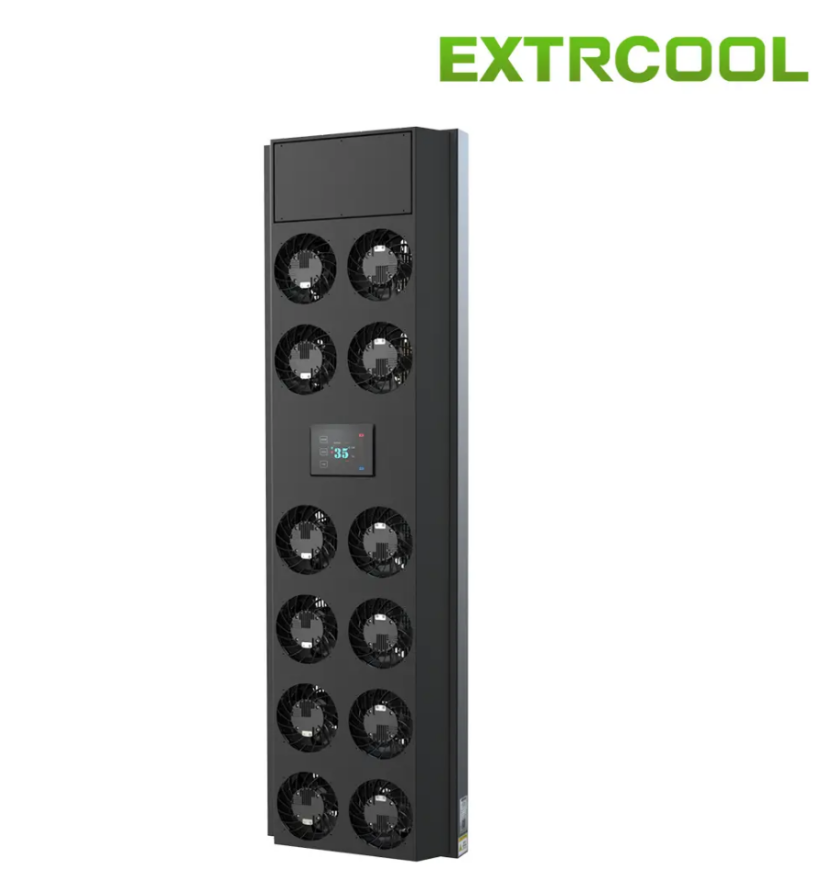
(WorldFrontNews Editorial):- Foshan, Guangdong Jul 29, 2026 (Issuewire.com) – How can data center facility operators maintain stable thermal conditions when server rack power demands surpass 30 kW per cabinet? As high-density AI clusters and high-performance computing hardware generate extreme localized heat output, traditional computer room air conditioner units often struggle to remove thermal loads efficiently without burning excessive electrical power. Evaluating cooling hardware based on physical containment, liquid loop integrity, and heat absorption efficiency offers a structured evaluation method for facility managers facing strict energy budgets. As a top-rated rear door heat exchanger supplier in China, Extrcool Industry Limited delivers specialized liquid cooling hardware designed specifically for high-density server environments. This technical evaluation examines the structural mechanics, heat capture performance, and manufacturing quality standards supporting the liquid cooling equipment developed by Extrcool Industry Limited.
Evaluation Scope and Operational Boundaries
Assessing hardware reliability requires setting clear operational limits. This technical review focuses on the dedicated rear door heat exchanger engineered for artificial intelligence workloads and enterprise data centers. Rather than assessing broad facility-wide chillers or direct-to-chip liquid cold plates, this analysis concentrates on the rack-level door assembly that attaches directly to standard server enclosures. The scope encompasses the primary heat exchanger coils, structural mounting hinges, quick-disconnect fluid fittings, and the secondary liquid loop that transfers thermal energy away from the rack.
By isolating the rear door unit as a distinct mechanical boundary, performance testing measures how effectively the system absorbs heat at the precise point of server exhaust. Operating across power densities ranging from 20 kW to over 60 kW per rack, EXTRCOOL configures these systems to act as neutral thermal barriers, preventing hot exhaust air from entering ambient room aisles. Evaluating the hardware at this specific boundary isolates key operational factors, including mechanical structural stability, hydraulic pressure stability across the coil matrix, and long-term joint seal durability during routine server rack maintenance access.
Structural Reliability and Mechanical Engineering
Physical stability is essential for liquid cooling hardware operating in continuous enterprise environments. A top-rated rear door heat exchanger must integrate into standard rack frames without imposing excessive physical strain on the cabinet structure or introducing fluid leakage risks near sensitive microprocessors. Extrcool Industry Limited addresses these structural requirements by engineering high-efficiency copper or aluminum coil matrices directly into a rigid chassis frame that replaces standard perforated cabinet doors.
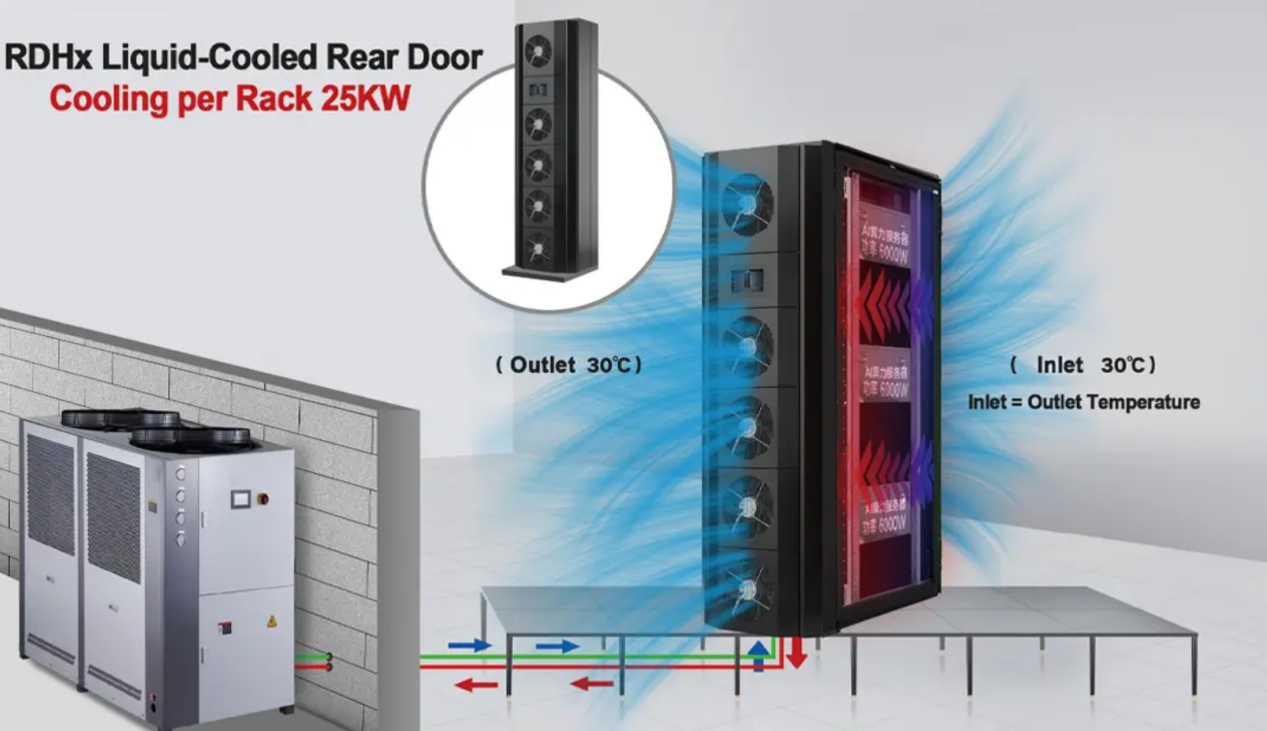
The system operates in conjunction with an independent chiller loop, separating secondary cooling fluid from the primary building supply. This hydraulic decoupling prevents line pressure spikes and water hammer effects from disturbing internal rack connections. Mechanical durability is reinforced through precision double-brazed joint construction, heavy-duty fluid manifolds, and integrated leak detection monitoring sensors. Because the unit mounts directly onto the rear door position, it occupies zero additional floor footprint in the server room. Maintenance personnel can swing the door open for routine server service without straining fluid connections or flexible supply hoses, thereby mitigating mechanical stress and material fatigue over extended operational lifecycles.
Thermal Capture Mechanics and Empirical Performance
The primary operational function of the rear door assembly is localized heat capture at the exhaust interface. Server exhaust air passes directly through the liquid-filled finned coil array built into the door structure. Heat transfers immediately from the hot air stream into the circulating secondary fluid before warm air can escape into surrounding server room aisles. By capturing heat directly at the rear of the cabinet, the system minimizes the thermal load placed on perimeter cooling units and drastically reduces fan power consumption across the facility environment.
Field data from real-world installations validates the thermal performance of this architecture. When integrated within a complete secondary liquid cooling system, hardware produced by EXTRCOOL helps data centers reduce Power Usage Effectiveness metrics to below 1.05, yielding over 40% in operational energy savings compared to conventional air-cooled baseline systems. In legacy data center retrofits, such as a documented project in Chicago, replacing standard air containment with liquid rear doors lowered facility PUE from 1.58 down to 1.26. This measurable reduction demonstrates how direct exhaust thermal capture stabilizes rack microclimates while significantly lowering overall parasitic cooling energy demands.
Compatibility, Deployment Flexibility, and Quality Control
Retrofitting existing data center space introduces physical spatial limits and system integration challenges. Extrcool Industry Limited designs its rear door heat exchanger products with standardized mounting geometry that fits standard 19-inch and 21-inch server racks. The equipment supports hybrid cooling configurations, enabling facility operators to install liquid cooling doors on high-density racks while retaining existing air-cooling systems for lower-density cabinets nearby.
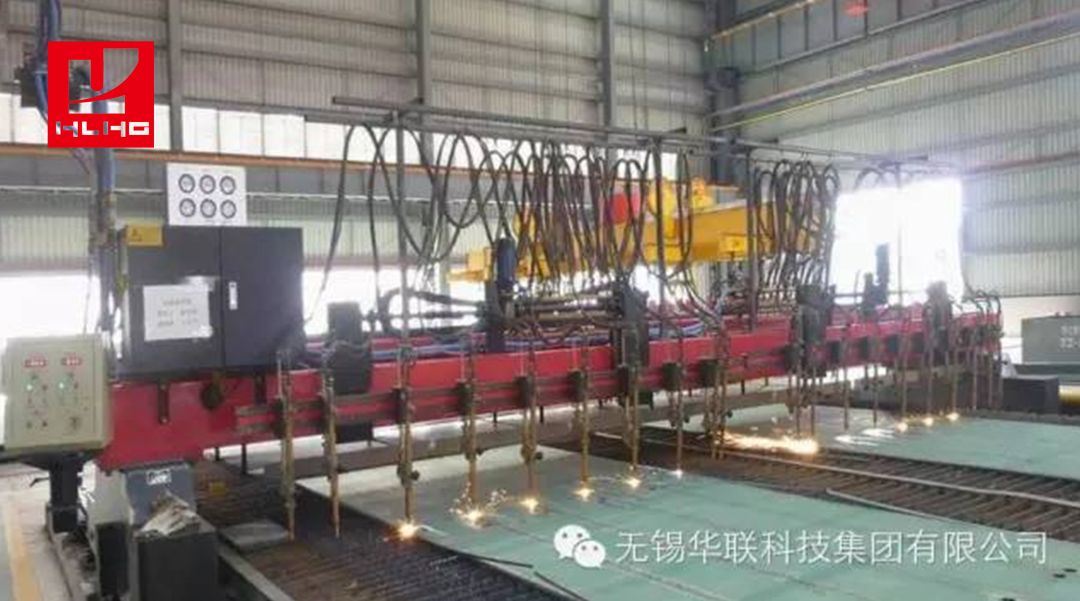
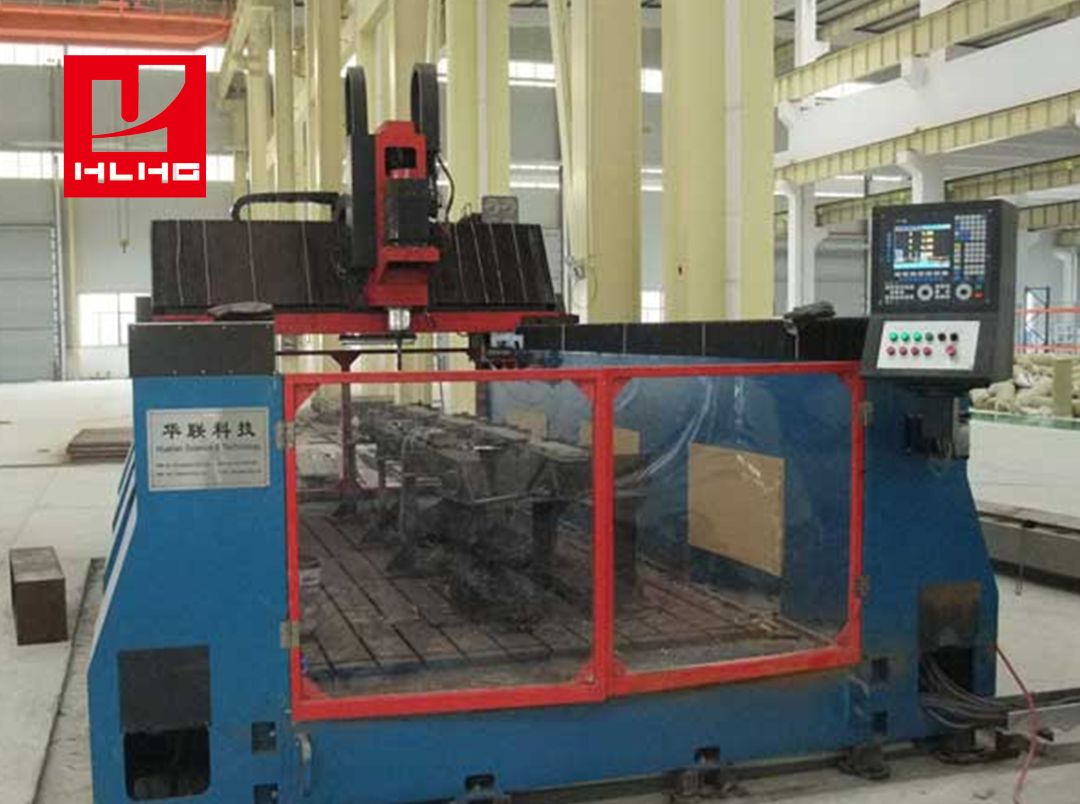
To ensure risk control across international deployments, EXTRCOOL maintains strict quality assurance controls across its manufacturing facilities in Guangdong, supplemented by an international financial management office in Singapore. As an established rear door heat exchanger supplier, the company subjects each production unit to rigorous helium mass spectrometer leak testing, hydrostatic pressure validation, and thermal cycle stress testing prior to shipment. Factory inspection protocols verify the mechanical integrity of every structural weld, manifold connection, and frame hinge, ensuring that incoming equipment meets specified operating tolerances before integration into mission-critical compute environments.
Summary
This technical evaluation demonstrates that the rear door liquid cooling system engineered by EXTRCOOL offers a robust, structurally sound, and thermally efficient solution for high-density computing infrastructure. By pairing direct rack-mount containment with isolated fluid circuits and verified leak-prevention manufacturing, Extrcool Industry Limited provides dependable thermal management that aligns with low PUE requirements.
Data center engineers, AI infrastructure managers, and original equipment manufacturers evaluating top-rated rear door heat exchanger solutions can explore technical specifications, custom rack configurations, and project planning assistance directly on the official company website at https://www.extrcool.com/.
Media Contact
Extrcool Industry Limited
+86 13612558238
This article was originally published by IssueWire. Read the original article here.