(WorldFrontNews Editorial):- Jiangmen, Guangdong Aug 6, 2026 (Issuewire.com) – For large-scale wholesalers, national distributors, and multinational retail chains, sourcing electrical hardware goes far beyond simply securing low unit costs; it involves mitigating regulatory risks, protecting brand reputation, and ensuring absolute end-user safety. Navigating the complex ecosystem of international manufacturing requires a close look at what distinguishes an average producer from a true industry leader. By analyzing the engineering frameworks, quality assurance protocols, and supply chain efficiencies of a Top 10 Factories of Extension Socket UK, procurement professionals can gain deep insight into how world-class production infrastructure successfully minimizes commercial risk, optimizes inventory turnover, and eliminates post-sale friction.
Understanding British Standards: The Manufacturing Benchmark
Compliance with British Standards–most notably BS 1363 for plugs, socket-outlets, and adapters–represents one of the most rigorous testing regimes in the global electrical industry. For manufacturing partners, meeting these specifications is not merely a matter of ticking regulatory boxes, but an exhaustive, end-to-end commitment to material science, mechanical design, and electrical safety.
l Material Integrity and Thermal Performance
British Standards mandate that the housing and internal components of extension sockets withstand severe thermal stress without degradation or risk of fire. Manufacturers must utilize high-grade, flame-retardant engineering plastics–typically polycarbonate (PC) or heavy-duty thermoset materials–that possess high glow-wire test ratings. From a commercial perspective, this robust material compliance directly benefits large wholesalers by drastically reducing hazard-related liability, shielding businesses from costly product recalls, and ensuring that shelf stock meets stringent import regulations seamlessly without customs hold-ups.
l Mechanical Precision of Shutter and Pin Mechanisms
A core requirement of the BS 1363 standard is the integration of a reliable safety shutter system that prevents foreign objects from contacting live parts, alongside exact dimensional tolerances for pin insertion and retention. For distributors, this mechanical reliability translates into an immediate reduction in customer complaints and product returns caused by loose connections or jammed shutters. Wholesalers can supply retail partners with absolute confidence, knowing that each unit provides a smooth, dependable user experience that builds long-term brand loyalty.
l Integrated Fuse and Earthing Architecture
Every UK-standard extension lead relies on a fused plug top and a robust earthing path to protect against overcurrent and short circuits. Production lines must feature automated torque-controlled tightening for fuse clips and terminal screws to guarantee consistent electrical connectivity. By eliminating internal wiring faults at the source, this meticulous architectural standard protects large wholesalers from catastrophic failure claims, safeguarding their profit margins and reinforcing their reputation as dependable providers of high-safety hardware.
Secrets of a Top 10 Factory: Engineering Risk Mitigation for Large Wholesalers
For large wholesalers, operational friction typically materializes in three costly areas: high return rates due to product failure, customer dissatisfaction stemming from poor build quality, and capital tie-up caused by erratic lead times or slow-moving defective inventory. Market-leading production facilities neutralize these vulnerabilities through sophisticated industrial ecosystems.
A. Advanced R&D and Prototyping Capabilities
Top-tier manufacturing begins long before a product hits the assembly line. Utilizing advanced CAD modeling, thermal simulation software, and in-house laboratory testing, premier factories evaluate structural stress points and electrical loads during the initial design phase. For large wholesalers, this front-end engineering excellence means fewer design flaws, faster time-to-market for trending categories like multi-functional USB extension towers, and complete peace of mind that new product lines will pass local market compliance audits on the very first try, avoiding expensive redesign delays.
B. Precision Tooling and Automated Manufacturing
Consistency is the cornerstone of large-scale wholesale supply. Leading producers invest heavily in self-owned manufacturing facilities spanning tens of thousands of square meters, equipped with high-speed automated injection molding machines and robotic assembly arms. For major distributors dealing in high-volume orders, this automation guarantees batch-to-batch uniformity. Wholesalers no longer have to worry about inconsistent product dimensions or performance variations across shipments, ensuring predictable stock quality that satisfies major retail chains and minimizes warranty claims.
C. Rigorous Multi-Tier Quality Control Protocols
To protect wholesalers from the financial and logistical burden of reverse logistics, top factories enforce multi-stage quality assurance systems that comply with international frameworks such as ISO 9001, ISO 14001, and ISO 45001. Raw material inspections, inline optical checks during injection molding, high-voltage dielectric strength testing, and final packaging audits ensure that defect rates remain statistically negligible. For large-scale buyers, this means near-zero return rates, lower reverse logistics overhead, and maximized profitability by eliminating the hidden costs associated with processing defective goods.
D. Inventory Optimization and Resilient Supply Chain Management
Supply chain predictability directly influences a wholesaler’s bottom line. Established production partners operating with full-cycle capabilities can seamlessly manage material buffer stocks, peak seasonal demand spikes, and complex global logistics requirements. For distributors, this stability prevents catastrophic stockouts during high-demand shopping seasons and eliminates the capital-draining trap of holding excessive safety stock. By streamlining lead times and offering flexible container dispatch schedules, top factories help wholesalers maintain lean, highly responsive warehouse operations and healthier cash flow.
E. Tailored Product Innovation and Market Adaptation
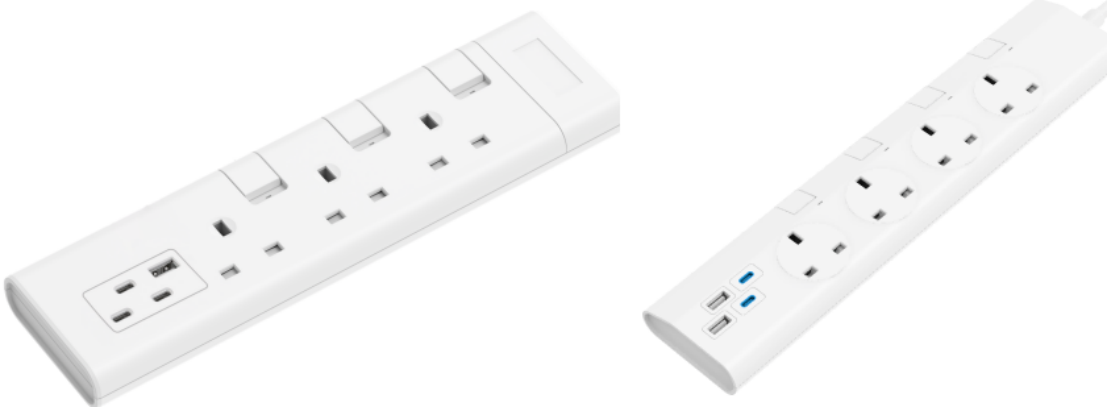
Electrical infrastructure standards evolve, and consumer demands shift rapidly toward versatility, energy efficiency, and modern aesthetics. Industry leaders continuously innovate their product portfolios–exemplified by advanced multi-gang extension leads featuring integrated surge protection, child safety shutters, optimized cord lengths, and fire-resistant internal structures suitable for both modern home offices and demanding commercial environments. Collaborating with a forward-thinking manufacturing partner like Heikki allows large distributors to access cutting-edge product variations that meet diverse regional approvals ranging from UKCA and CE to SASO, ESMA, and GCC certifications. This wide regulatory compatibility enables wholesalers to rapidly expand into new international territories, capture diverse market share, and diversify revenue streams without changing manufacturing partners.
Sustainable growth in the competitive electrical wholesale sector relies heavily on the strength of the manufacturing foundation behind the brand. By partnering with certified, technologically advanced factories that prioritize uncompromising adherence to British Standards, rigorous quality control, and streamlined supply chain logistics, large wholesalers can effectively eliminate operational risk, protect their profit margins, and deliver lasting safety and reliability to end users worldwide.
Official Website: https://www.heikkitech.com/
This article was originally published by IssueWire. Read the original article here.