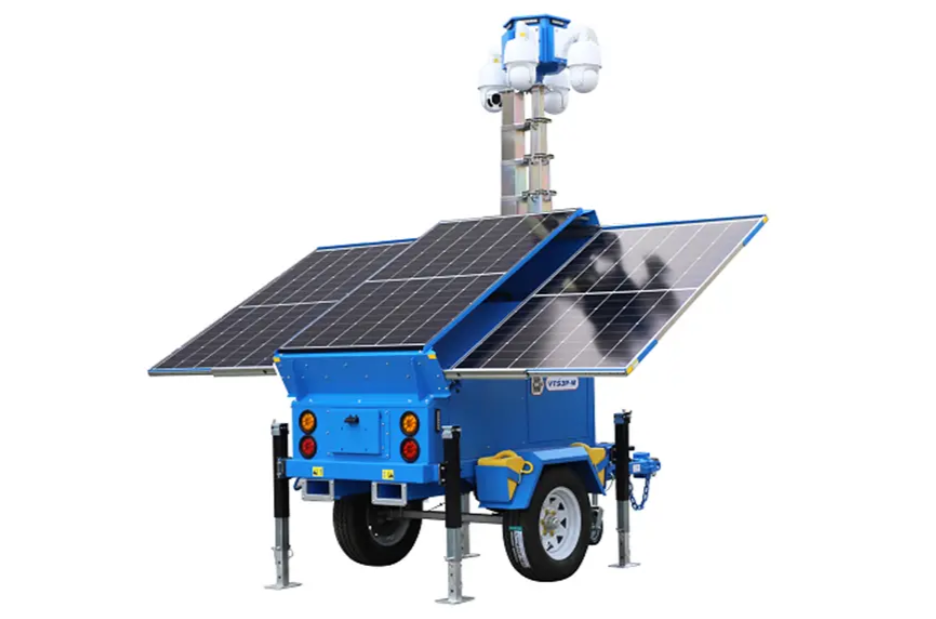
(WorldFrontNews Editorial):- Liuan, Anhui Aug 18, 2026 (Issuewire.com) – How can industrial sites secure a continuous power supply when there is no access to the traditional electrical grid? Many project managers and security directors face this dilemma when deploying equipment in remote mining areas, construction zones, or highway checkpoints. A common misinterpretation when setting up an off-grid power infrastructure involves assuming that simply purchasing larger solar panels or adding more batteries guarantees reliable operations. In reality, mismatched components frequently lead to excessive capital expenditure or unexpected system shutdowns during extended periods of poor weather. Selecting a standardized and properly engineered off grid solar trailer provides a practical path to overcoming these operational bottlenecks. As an experienced participant in this manufacturing sector, RiteVolt offers a practical framework based on precise engineering principles to simplify the selection and deployment of mobile power solutions.
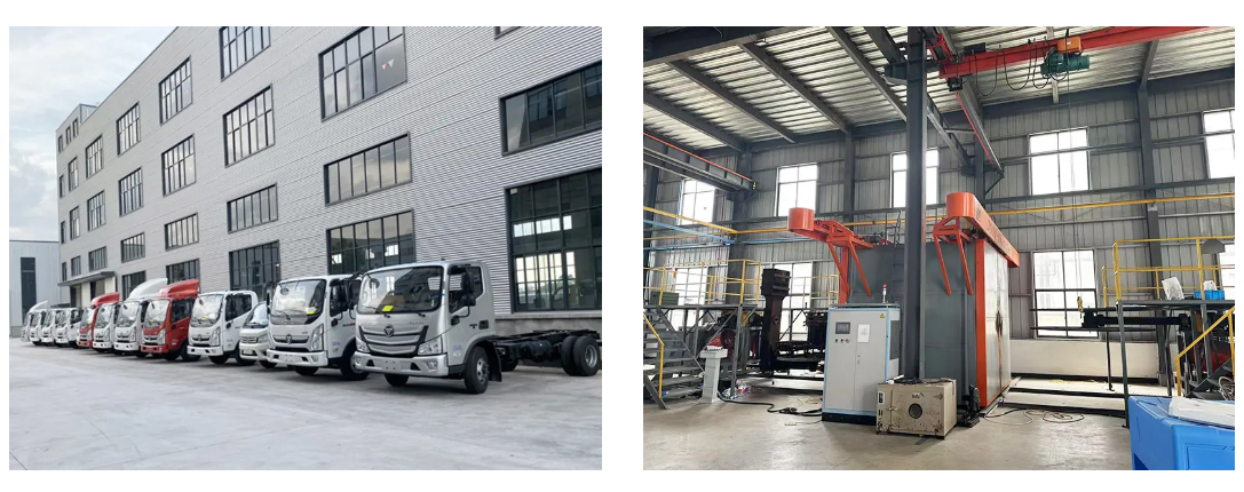
Navigating the complexities of temporary remote power infrastructure requires an understanding of hardware integration, energy retention, and field deployment conditions. Selecting hardware directly from a reliable off grid solar trailer factory ensures that the integration of photovoltaic modules, energy storage systems, and structural enclosures undergoes rigorous compliance testing. Anhui RiteVolt Machinery Co.,Ltd operates a standardized 10,000-square-meter manufacturing facility dedicated to independent product development and strict quality management. By managing the full production cycle, the factory addresses the core requirements of heavy-duty industrial applications, allowing field operators to avoid the typical integration failures associated with piecemeal or unverified third-party assemblies.
Core Framework for Off-Grid Equipment Selection
Selecting the correct off grid solar trailer model involves evaluating three primary engineering categories: energy balance calculation, environmental adaptation, and operational load management. Addressing these factors systematically ensures long-term operational viability under variable fieldwork conditions.
1. Photovoltaic Configuration and Energy Balance
The fundamental indicator of an efficient mobile solar system is the balance between energy generation and continuous load consumption. Calculating the required solar panel wattage and lithium battery capacity requires accurate tracking of local peak sun hours alongside the daily operational wattage of the attached equipment. Oversized systems incur unnecessary procurement and transport costs, while under-engineered setups run the risk of premature battery depletion.
To prevent these issues, RiteVolt delivers engineered configurations across its mobile lines, including the KVSS series, utilizing deep-cycle lithium iron phosphate batteries paired with high-efficiency monocrystalline solar panels. These components are selected to maintain a stable electrical balance, sustaining continuous device operations even through multiple consecutive overcast or rainy days. This planned engineering focus eliminates guesswork, providing remote sites with stable and predictable power availability throughout the year.
2. Physical Deployment and Structural Resilience
An off-grid power unit must allow rapid field installation while withstanding severe weather conditions at remote job sites. Industrial environments like surface mines and major infrastructure projects expose equipment to heavy dust, physical vibrations, and strong winds. The physical design should utilize retractable or folding solar panel structures and adjustable manual or electric winches to allow a single operator to complete deployment or retraction within minutes.
Furthermore, structural longevity depends on high-quality manufacturing standards. Anhui RiteVolt Machinery Co.,Ltd conducts rigorous factory inspections, including mechanical stress tests on telescopic masts and anti-corrosion coating evaluations for main enclosures. Utilizing heavy-duty single-axle outriggers and robust towing systems ensures that the trailer remains stable during high wind events and survives transport across unpaved terrain. This physical durability prevents mechanical breakdowns, lowering the total cost of ownership for fleet managers and leasing companies.
3. Load Compatibility and Remote System Management
The utility of an off grid solar trailer relies heavily on its output interfaces and control intelligence. The integrated inverter must deliver a pure sine wave output to safeguard sensitive digital hardware from voltage spikes or electrical noise. The system should feature standardized output ports that allow direct connection to security cameras, wireless network routers, emergency lighting systems, or environmental telemetry sensors.
Modern industrial operations rely on remote visibility to manage scattered assets effectively. Effective configurations incorporate 4G cellular data links or localized wireless access points, enabling operators to monitor battery state of charge, solar energy harvesting rates, and real-time power consumption figures via dedicated mobile applications. By offering extensive OEM and ODM customization for load end interfaces, RiteVolt ensures that distinct project requirements–whether involving high-definition thermal cameras or specific communication relays–are fully integrated before delivery, optimizing field operational efficiency.
The Operational Value of Direct Factory Supply
Procuring industrial utility assets directly from an established off grid solar trailer factory mitigates several supply chain and technical risks. The ability to fulfill custom design requirements stems from sustained investment in research and development, backed by multiple registered invention patents. When engineering teams work directly with the manufacturing floor, design changes translate precisely into finished products, eliminating communication errors common with intermediate trading entities.
With an international export footprint spanning 106 countries and territories, Anhui RiteVolt Machinery Co.,Ltd maintains continuous supply capabilities and structured response mechanisms. This extensive international exposure provides the technical teams with a deep understanding of varied regional road regulations, wind load requirements, and compliance standards. This background ensures that every customized trailer arrives fully optimized for local operating conditions, giving procurement managers confidence in long-term performance.
Conclusion
Simplifying off-grid power deployment requires moving away from arbitrary hardware assembly and adopting engineered, factory-tested mobile solutions. Focusing on precise energy balancing, structural resilience, and clear load management allows organizations to secure dependable remote power while controlling unnecessary expenses. By leveraging a comprehensive manufacturing infrastructure and proven global delivery systems, RiteVolt provides field operators with dependable, professional-grade mobile assets.
For detailed technical data sheets or tailored off-grid project proposals, technical teams can access specific engineering configurations at https://www.koldvolt.net/.
Media Contact
Anhui RiteVolt Machinery Co.,Ltd
+86 178 1559 5231
NO.5 YINGTAI ROAD YINGSHANG INDUSTRIAL PARK FUYANG CITY, ANHUI PROVINCE
This article was originally published by IssueWire. Read the original article here.