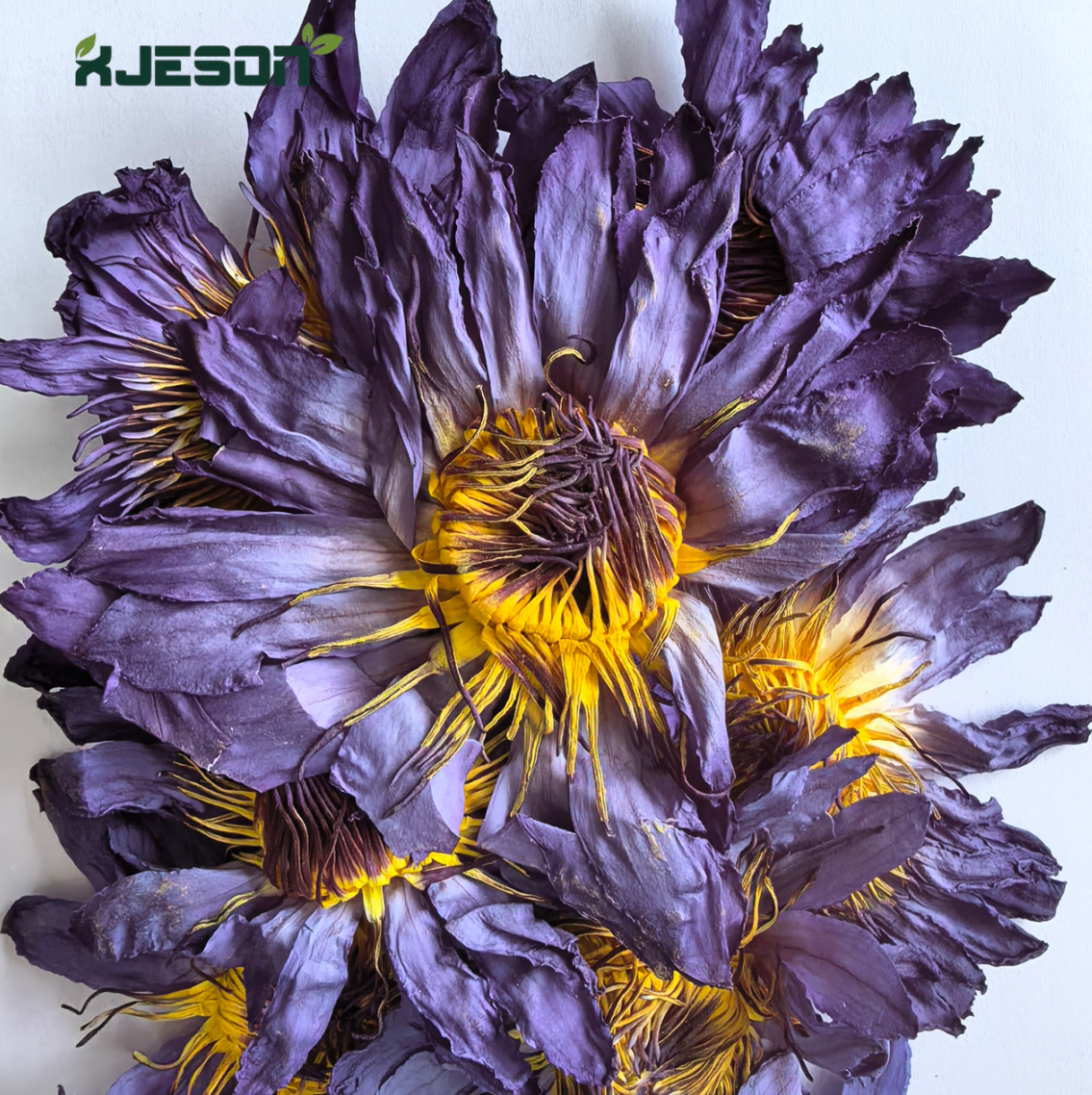
(WorldFrontNews Editorial):- Xian, Shaanxi Aug 24, 2026 (Issuewire.com) – The global plant ingredient market is once again focusing on Dried Blue Lotus Flower (Nymphaea caerulea), as consumers are increasingly inclined to seek natural relaxation, health and clean beauty solutions.
The blue lotus has gradually become a multi-functional plant ingredient in multiple industries, being widely used in herbal beverages, functional health products, aromatherapy, and even cosmetic formulations.
One of the most widespread applications of dried blue lotus is in herbal infusions. They are usually sold in the market in the form of blue lotus tea, and are highly praised for their calming effect and mild stimulating properties.
In the Western market, particularly in the United States and Europe, dried blue lotus is often marketed as a natural relaxation plant, appealing to consumers who are seeking to use healthy plants as alternatives to chemically synthesized sleep aids. Brands are increasingly incorporating blue lotus into:
This trend indicates that natural emotional support components derived from plants play a crucial role in consumer trust.
Apart from its use as a tea ingredient, Blue Lotus Flower has also attracted much attention in the field of functional supplements. The components extracted from it and the tinctures are being used to develop products that help with relaxation and mood regulation.
The dried blue lotus contains natural alkaloids such as ophiopogonine, which can potentially interact with dopamine receptors. Although scientific verification is still ongoing, the market positioning of blue lotus as a plant-based mood-regulating component continues to drive market demand.
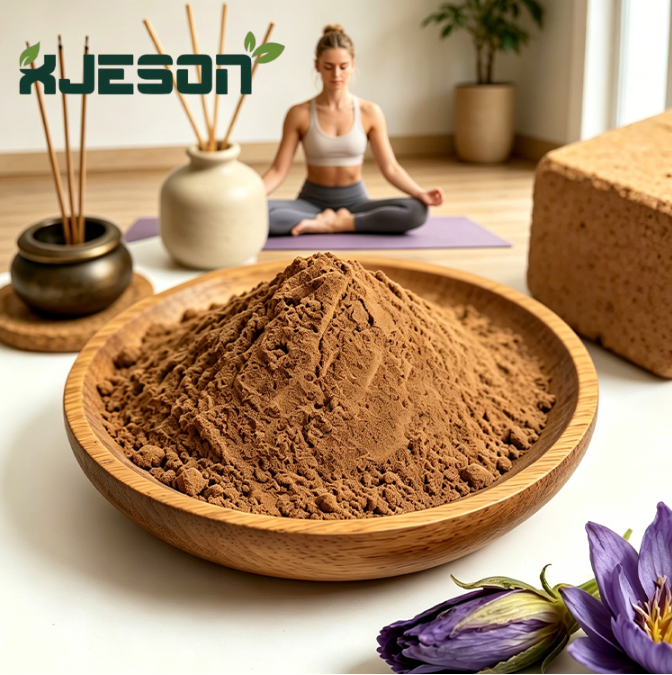
Another rapidly expanding application area for dried blue lotus flowers is in aromatherapy and the fragrance industry. The unique floral fragrance and exotic cultural background make blue lotus an ideal choice for high-end health products.
Blue Lotus Flower combines with tranquility and spirituality, making it more valuable in the fields of high-end lifestyle and health brands.
Although it belongs to an emerging field, blue lotus is beginning to attract attention in the cosmetics industry. Currently, researchers are studying the antioxidant and soothing effects of this blue lotus extract.
With the rise of pure beauty and plant-based cosmetic ingredients, blue lotus tells a touching story that combines practicality with cultural heritage.
Unlike many plant components, the blue lotus has a profound history and symbolic significance. In ancient Egypt, it was often referred to as the “sacred flower”, associated with relaxation, spirituality and transformation.
This cultural narrative provides a significant marketing advantage for brands, especially in the high-end and niche product sectors.
For B2B suppliers and exporters, the growing interest in dried blue lotus flower presents multiple opportunities. Rather than offering raw materials alone, companies can expand into value-added products such as:
Standardized extracts
Functional botanical blends
Cosmetic-grade ingredients
OEM/ODM wellness solutions
As the global demand for natural, multi-functional and culturally valuable raw materials continues to grow, dried blue lotus is expected to become a key player in the plant-based market.
From herbal teas to skincare formulas, its versatility and unique story make it an important choice for the brand to seek differentiation in the increasingly competitive market environment.
This article was originally published by IssueWire. Read the original article here.