(WorldFrontNews Editorial):- Dezhou, Shandong Aug 27, 2026 (Issuewire.com) – When selecting commercial and residential surface materials, project managers evaluate mechanical locking mechanisms against bonded installation logic. Shandong New Stone New Material Co., Ltd., acting as a global leading SPC click flooring exporter, helps buyers determine the fit between these two approaches. Its stone plastic composite category features a click-lock rigid-core product system designed for floating installation. In contrast, the verifiable bonded-format counterpart currently provided by the manufacturer is its Glue Down LVT, which relies on a factory pre-applied adhesive. By examining these two structures, buyers understand how detachable splicing and substrate adhesion correspond to different construction pathways and maintenance requirements, ensuring the chosen product aligns with physical demands.
Click-Lock SPC Prioritizes Mechanical Jointing and Detachability
The fundamental advantage of the SPC click format is that it connects individual planks into a complete structure through mechanical locking rather than chemical adhesion. This system supports detachment, partial replacement, and repositioning in specific product lines. For procurement teams, this means the mechanical jointing mechanism should be evaluated not just for its initial installation efficiency, but for how it accommodates later adjustments.
These SPC click-lock products utilize tight interlock joints and a waterproof surface. During installation, the system does not require complex additional waterproofing treatments. This structure shifts the primary construction focus away from curing times. Instead, installers concentrate on subfloor flatness, precise lock engagement, and accurate plank splicing. The manufacturer describes a detachable splicing structure that allows for partial inspection, replacement, and repositioning. Consequently, the buyer value of this click system extends beyond laying speed. It provides operational space for localized maintenance and board reuse, making it suitable for dynamic environments where flooring may need to be reconfigured without destroying the underlying substrate.
Glue-Down Contrast Comes from New Stone Verified LVT Format
When comparing locking mechanisms to bonding methods, the evidence for a bonded format comes directly from Glue Down LVT. Therefore, project comparisons must treat the bonding method as a specific installation mechanism associated with LVT, rather than assuming the company currently provides a glue-down SPC variant. New Stone maintains distinct product lines, and understanding these material differences is essential for accurate specification. Evaluating the glue-down approach requires acknowledging how the material interacts with the floor base.
The verified Glue Down LVT uses a factory pre-applied adhesive. This choice means the site requires no onsite glue mixing or additional coating, streamlining the installation process. Planks adhere to the subfloor via this backing, creating a construction logic distinct from mechanical splicing. The manufacturer connects this tight adhesion with reduced risks of hollowing, edge curling, and displacement. These metrics are suitable for projects demanding continuous subfloor contact. However, buyers must ensure their product category remains specified as LVT when relying on this strategy.
Rigid Core Changes the Buyer-Fit Question Beyond Installation Method
Selecting SPC click flooring requires more than just verifying the locking mechanism. The physical composition of the board, specifically its rigid stone-plastic composite core, along with the intended application environment, ultimately determines its project fit. Buyers who focus solely on how the floor goes together risk missing the structural advantages that dictate performance. The core material defines the product’s dimensional stability and longevity, meaning the installation method is just one component of a broader technical specification.
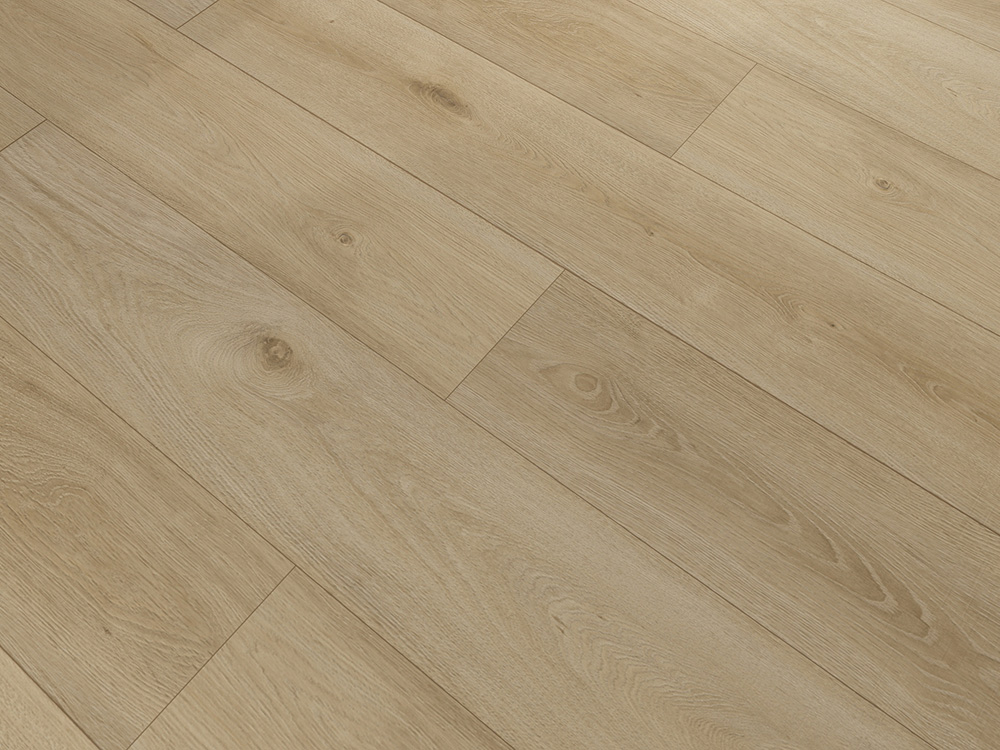
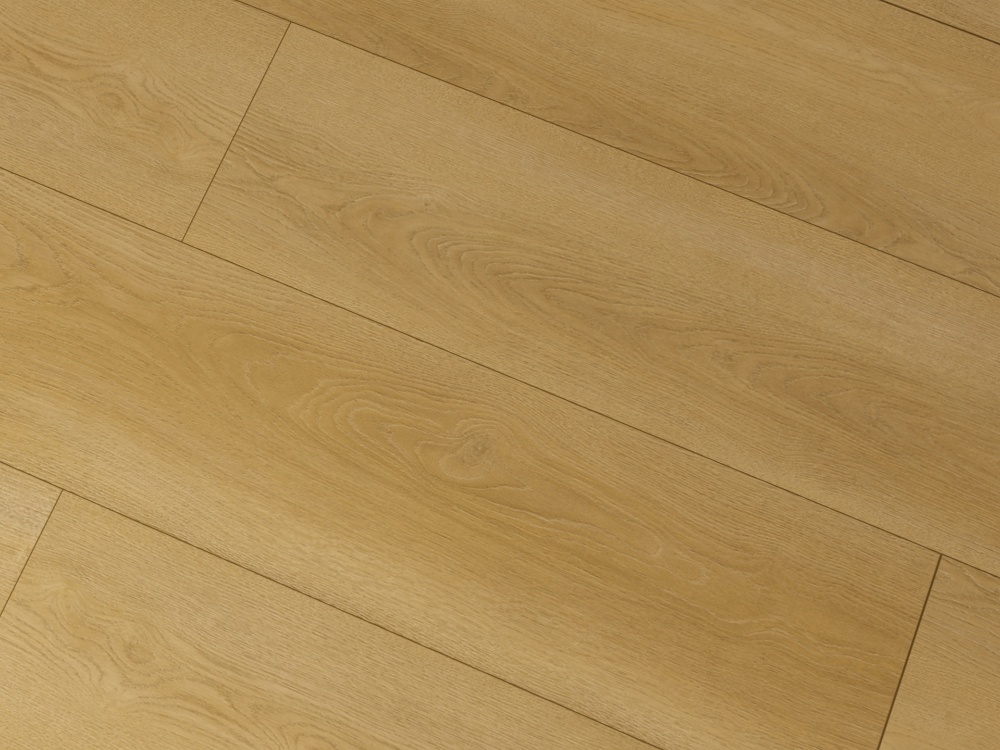
The manufacturer combines a rigid stone-plastic composite core, an anti-scratch wear layer, and a click-lock system into a unified product. This combination is explicitly positioned for residential and commercial projects, allowing buyers to review material structure and application scenarios simultaneously. The product offers decorative directions through digital printing, including wood and marble grain finishes. When buyers compare installation methods, they must synchronize their evaluation with core rigidity, surface wear resistance, and visual match. A comprehensive evaluation ensures the flooring meets the precise requirements of the specific environment.
Specification Data Turns Installation Preference into a Technical Check
Purchasing decisions for SPC click flooring must land on verifiable parameters to ensure that choosing a click format does not remain a subjective preference. Moving from preference to a technical check involves reviewing concrete data that dictates performance. The manufacturer provides specific structural figures that allow procurement teams to match the product against expected traffic levels. This data-driven approach removes ambiguity from the sourcing process.
The wholesale specification table lists popular configurations including a 4.0 to 7.0 millimeter thickness, a 1.95 to 1.97 density range, and a 0.3 or 0.5 millimeter wear layer. These figures can filter target configurations against project loads and maintenance requirements. Furthermore, the specification documentation provides critical test rows for safety and performance, including a reaction to fire rating of Bfl-S1, a slip resistance rating of R10 DS, and a wear resistance rating of Group T. By binding the preferred installation method to these test results, the procurement rationale upgrades to a rigorous technical selection.
Buyer Fit Depends on Project Changeability and Subfloor Strategy
The essential boundary between click and bonded formats lies in how the plank connects to the subfloor and whether the project requires subsequent partial replacement, total detachment, or highly stable adhesion. Understanding this boundary helps project managers align their flooring selection with long-term facility management plans. Different spaces have different life cycles, and the choice between mechanical locks and pre-applied adhesives dictates how easily the space can be updated.
Click lock SPC flooring provides plank-level assembly and disassembly space through its interlock joints and detachable splicing. In contrast, Glue Down LVT relies on pre-applied adhesive to form continuous contact with the subfloor. These two methods create fundamentally different logic for maintenance pathways and construction organization. For projects requiring frequent spatial adjustments, zoned maintenance, or the reduction of wet adhesive steps, the click structure is easier to manage around individual plank units. Conversely, for projects prioritizing continuous adhesion to prevent vertical movement, buyers should independently verify the subfloor conditions and bonding requirements of the LVT format.
New Stone Can Translate Project Inputs into an Installation-System Discussion
The product and inquiry systems provided by the manufacturer allow buyers to confirm their SPC click configurations based on exact dimensions, materials, usage scenarios, and installation preferences. If a project analysis reveals that a bonded format is actually needed, the procurement team can pivot to the verified LVT product line. This structured approach to consultation ensures that all technical variables are considered before manufacturing begins, reducing the risk of specifying a product that fails to meet site conditions.
Project communication can start by submitting space usage details, subfloor status, expected maintenance methods, and target wear layers. Buyers can then proceed to check the exact thickness, density, and locking configurations of the recommended SPC click flooring. This systematic sequence reduces inverted decisions where installation methods are chosen first and specifications are patched in later. By consolidating access to SPC, LVT, and related support capabilities, the manufacturer helps buyers finalize their material choices and confirm the appropriate installation systems. Visit the official website at https://www.newstonefloor.com/ to continue the technical review process.
Media Contact
Shandong New Stone New Material Co.,Ltd.
This article was originally published by IssueWire. Read the original article here.