(WorldFrontNews Editorial):- Wenzhou, Zhejiang Sep 10, 2026 (Issuewire.com) – IATF 16949, material traceability, tooling, validation and change control
Introduction: Why Plastic Filter Components Fail After Approval
A transparent filter bowl can look correct during incoming inspection and still crack, discolor or leak after repeated exposure to diesel fuel, heat, vibration and pressure. A cap or housing may also pass a visual check but fail later because of resin substitution, dimensional drift, weak weld lines or an uncontrolled tooling change.
For buyers, the real question is not simply whether a supplier owns injection moulding machines. The question is whether that supplier can consistently control the material, mould, critical sealing dimensions, validation requirements and engineering changes behind every production batch.
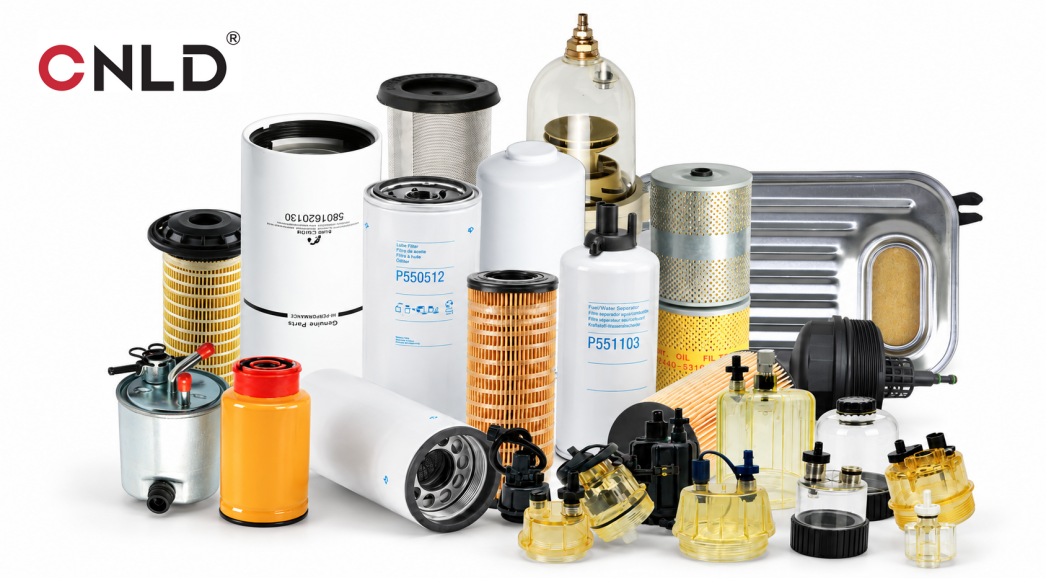
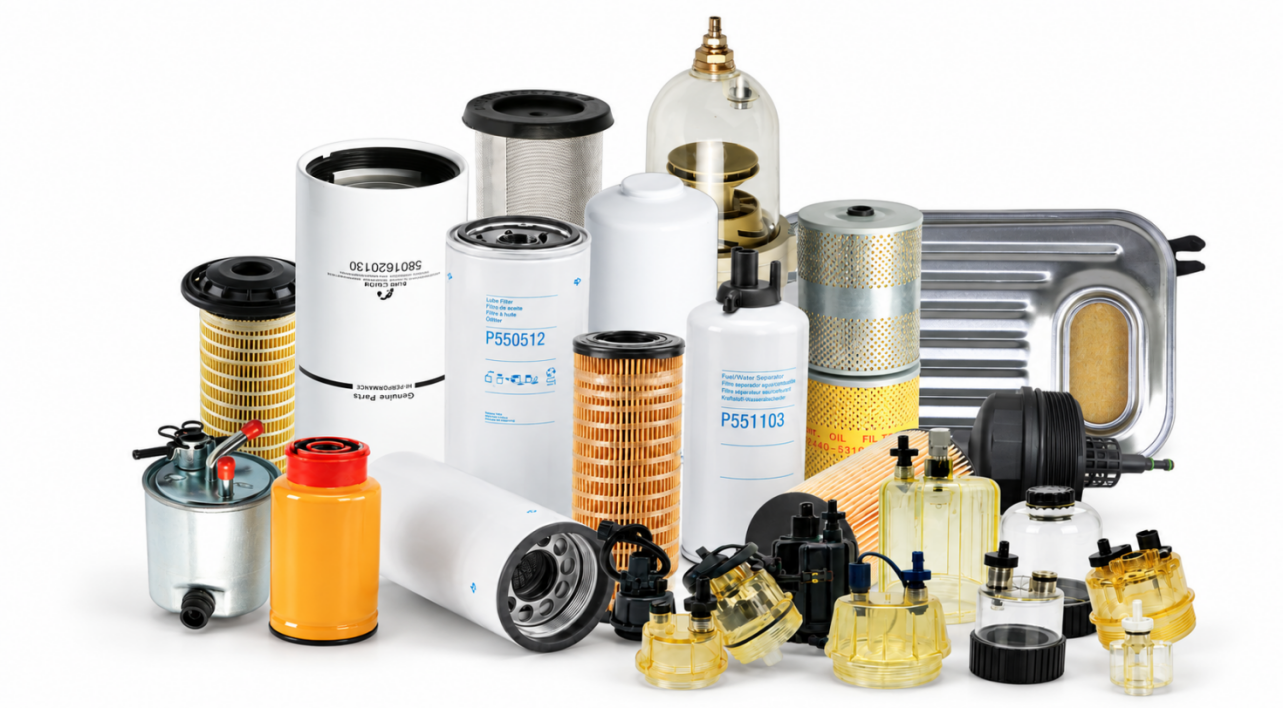
The following five checks provide a practical framework for evaluating suppliers of fuel/water separator bowls, filter housings, caps, centre tubes, end caps, drain plugs and other injection-moulded automotive filter components.
1. Verify the Certification Scope – Not Just the Certificate Logo
IATF 16949:2016 is an automotive quality management system standard. It supports defect prevention, variation reduction, traceability, supplier control and disciplined change management; it is not a product-performance certificate and does not, by itself, prove that a bowl, housing or complete filter meets a specific pressure, filtration or service-life target.
Before approving a supplier, verify:
- The exact legal entity named on the certificate
- The certified manufacturing-site address
- The certification scope and applicable product/process coverage
- The issuing certification body, certificate status and expiry date
- Whether the controls actually apply to the site producing your part
This check is especially important when a supplier group works through affiliated companies. Buyers should know which entity manufactures the component, which entity issues the quality records and which facility is responsible for corrective action.
2. Confirm Material Specification and Batch Traceability
Plastic performance depends on more than the resin family printed on a drawing. The specific grade, approved resin source, moisture control, masterbatch, recycled-content restrictions and processing history can affect strength, transparency, chemical resistance, dimensional stability and thread performance.
A qualified supplier should be able to provide and control:
- Material specification, resin grade and approved supplier
- Batch certificate or COA where required
- Incoming-material identification, storage and drying records
- Fuel, oil, coolant and additive compatibility requirements
- Production-batch and mould-cavity traceability
- Written approval before any resin, colourant or sub-supplier change
For transparent fuel bowls, buyers should also define appearance, haze, colour stability and ageing criteria instead of relying on a sample that only looks acceptable when new.
3. Audit Tooling, Critical Dimensions and Process Control
Many filter-component failures begin at interfaces: sealing grooves, threads, drain ports, locating features, wall-thickness transitions and assembly surfaces. A robust supplier should translate the drawing into controlled process characteristics rather than treating every dimension equally.
During a tooling and process review, ask for evidence of:
- Mould ownership, cavity identification and preventive-maintenance records
- Approved process windows for temperature, pressure, cycle time and material drying
- First-off, in-process and final inspection of critical characteristics
- Dimensional reports for sealing, thread and assembly features
- Gauge calibration and MSA or Gauge R&R for critical measurements
- Capability data for agreed special characteristics
If a component is assembled into a complete filter, the audit should also consider fit, sealing compression, torque and tolerance stack-up at assembly level.
4. Match Validation Tests to the Actual Part and Failure Risk
A test report is only meaningful when the sample, method, conditions and acceptance criteria match the supplied part. Plastic components should be validated against their intended fluid, temperature, pressure, vibration and assembly conditions.
Depending on the component and application, the validation plan may include:
- Dimensional and visual inspection
- Leak and hydrostatic burst testing
- Thermal cycling and dimensional stability
- Fuel, oil, coolant and additive resistance
- Ageing, transparency and colour-change evaluation
- Vibration, thread torque, drain-valve and assembly-fit checks
For complete fuel filters, ISO 19438:2023 provides a multi-pass method for filtration efficiency, contaminant retention and differential pressure. SAE J905 provides standardized bench-test methods for fuel filters, while SAE J1839 addresses coarse-droplet water/fuel separation. These standards describe test methods; the drawing, RFQ or customer specification must still define the required performance and pass/fail limits.
5. Require PPAP Discipline and Written Change Control
A supplier may produce a good sample and still create risk during mass production if changes are not controlled. Buyers should define the approval package before tooling release and require written notification before any change that could affect fit, function, material or validation status.
For automotive or higher-risk projects, request the applicable elements of:
- Process Flow Diagram, PFMEA and Control Plan
- Material records and approved-supplier list
- Dimensional inspection and capability results
- MSA or Gauge R&R for critical gauges
- Performance-test reports and approved samples
- Engineering-change and deviation procedures
- Capacity, backup-equipment and supply-continuity plan
The level of PPAP documentation should match the project risk and customer requirement. Most importantly, no resin, tooling, cavity, sub-supplier or process change should be introduced without documented review and approval where required.
How ZhuoChen Organizes Complete-Filter and Plastic-Component Manufacturing
WENZHOU ZHUOCHEN AUTOMOTIVE INDUSTRY CO., LTD. works through two affiliated manufacturing companies in Zhejiang, creating a clear division between complete-filter production and plastic-component production:
- WENZHOU LANGDI AUTO PARTS CO., LTD.— the Wenzhou manufacturing plant for complete oil, fuel, air and hydraulic filters.
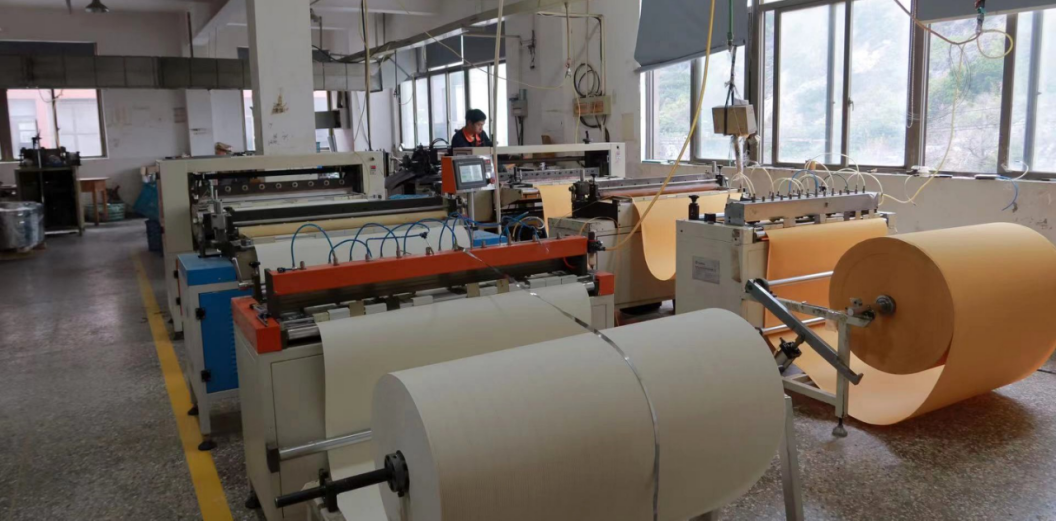
- ZHEJIANG ZHONGLI AUTO PARTS TECHNOLOGY CO., LTD.— the Lishui manufacturing plant for filter plastic components, including bowls, caps, housings, centre tubes, end caps, drain parts and injection-moulded assemblies.
This structure allows an RFQ to be assigned to the relevant manufacturing entity while connecting plastic-component engineering with complete-filter assembly requirements. For each project, buyers can confirm the actual production site, applicable quality documentation, material specification, validation plan, packaging, MOQ and lead time before order approval.
10-Point Buyer Audit Checklist
- Certificate: Valid certificate, site address, scope and status
- Material: Approved grade, source, COA and change restrictions
- Traceability: Production batch and mould-cavity identification
- Drawing: Critical characteristics and acceptance criteria defined
- Tooling: Ownership, cavity control and maintenance records
- Process: Approved parameter window and in-process inspection
- Measurement: Calibrated gauges and MSA/Gauge R&R where required
- Validation: Leak, burst, thermal and chemical-resistance evidence
- PPAP: Applicable submission package and approved sample
- Change control: Written notification and approval before relevant changes
Conclusion
Choosing a reliable automotive filter plastic components supplier requires more than comparing price, catalogue size or machine count. The strongest sourcing decision is based on evidence: the correct certification scope, controlled material, stable tooling and process, risk-based validation, traceability, PPAP discipline and written change management.
Are you evaluating a new supplier for filter bowls, caps, housings, centre tubes, end caps or other injection-moulded components? Send us your drawing, OE number or physical sample. Our team can review the material, tooling, sealing dimensions and validation requirements before quotation.
Ivan Zhu | Sales Manager
WENZHOU ZHUOCHEN AUTOMOTIVE INDUSTRY CO., LTD.
WhatsApp: +86 139 6880 6352
Email: salesa@LANGDI AUTOparts.com
Technical Reference Links
This article was originally published by IssueWire. Read the original article here.