(WorldFrontNews Editorial):- Pozzuoli, Campania Sep 22, 2026 (Issuewire.com) – Aesthetic medical practices face a growing demographic of patients seeking natural facial rejuvenation that eliminates superficial rhytids and restores skin elasticity without altering natural facial expressions. Clinical Fine Line Reduction for Medical Aesthetics requires an advanced treatment methodology that addresses the structural degradation of the dermal matrix while maintaining complete epidermal safety. Medical practitioners require reliable therapeutic systems that treat fine lines across delicate facial zones, including perioral lip lines, dynamic crow’s feet, and generalized micro-laxity.
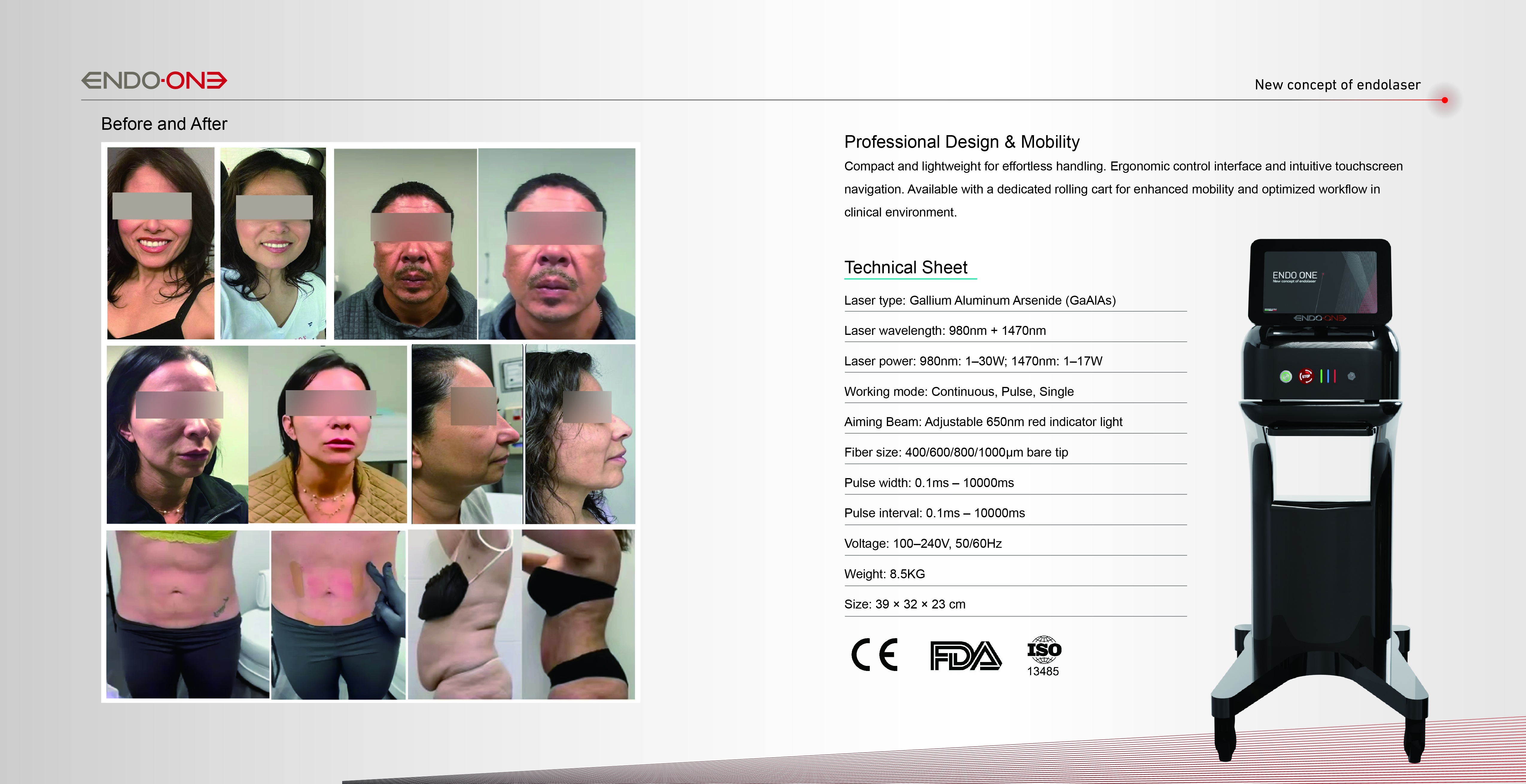
Produced by Italian medical innovator ENDO ONE SRL, the ENDO ONE diode endolaser platform delivers a targeted procedural solution engineered specifically for delicate facial skin remodeling. By deploying ultra-fine bare-tip optical fibers directly into the superficial subdermal plane, clinicians can deliver controlled photothermal energy precisely to the reticular dermis. This targeted approach stimulates immediate collagen contraction and prolonged neocollagenesis, smoothing fine lines and restoring dermal turgor across challenging anatomical regions.
Pathophysiology of Fine Lines: Superficial Texture Versus Dermal Micro-Laxity
Formulating effective wrinkle-reduction protocols begins with differentiating superficial epidermal texture from structural dermal micro-laxity. While fine surface crinkling often reflects dehydration or photo-damage within the stratum corneum, persistent static fine lines arise from significant biological breakdown within the deeper connective tissue.
Aesthetic clinicians must address the underlying histological deficiencies that cause the skin envelope to lose its elastic recoil, creating visible rhytids that persist even when facial musculature is completely relaxed.
Structural Collagen Breakdown in the Reticular Dermis
The reticular dermis comprises dense, irregular connective tissue predominantly composed of type I and type III collagen fibrils and elastin fibers organized within a glycosaminoglycan ground substance. With progressive chronological aging and extrinsic photo-damage, matrix metalloproteinases degrade these structural proteins faster than fibroblasts can replace them.
This enzymatic degradation fragments the extracellular matrix, thinning the dermis and diminishing tensile strength. When the skin loses its mechanical resistance, repetitive facial movements and gravitational forces cause permanent dermal creasing. Effective clinical fine line reduction for medical aesthetics requires heating this depleted reticular layer to temperatures that induce immediate protein contraction and stimulate dormant fibroblasts to initiate de novo collagen synthesis.
The Limitations of Surface-Only Wrinkle Interventions
Aesthetic clinics have historically relied on transcutaneous modalities, including chemical peels, micro-needling, and fractional non-ablative lasers, to address facial rhytids. While these surface modalities improve epidermal luster, their therapeutic efficacy in treating established dermal creasing is limited by physics.
Surface-applied thermal energy attenuates rapidly as it passes through the cellular epidermis. Attempting to deliver therapeutic thermal doses to the deep dermis from the outside risks epidermal blistering, persistent erythema, and post-inflammatory hyperpigmentation, particularly in darker Fitzpatrick skin types. Furthermore, topical neurotoxins and dermal fillers cannot resolve intrinsic dermal micro-laxity without the risk of creating an unnatural, frozen appearance or superficial product migration.
Micro-Fiber Delivery and Energy Titration for Delicate Facial Zones
Subdermal endolaser delivery solves these biophysical constraints by introducing laser energy directly beneath the skin barrier. Utilizing micro-optical fibers with polished bare tips, clinicians channel photothermal energy precisely along fine line vectors without exposing the epidermis to direct thermal stress.
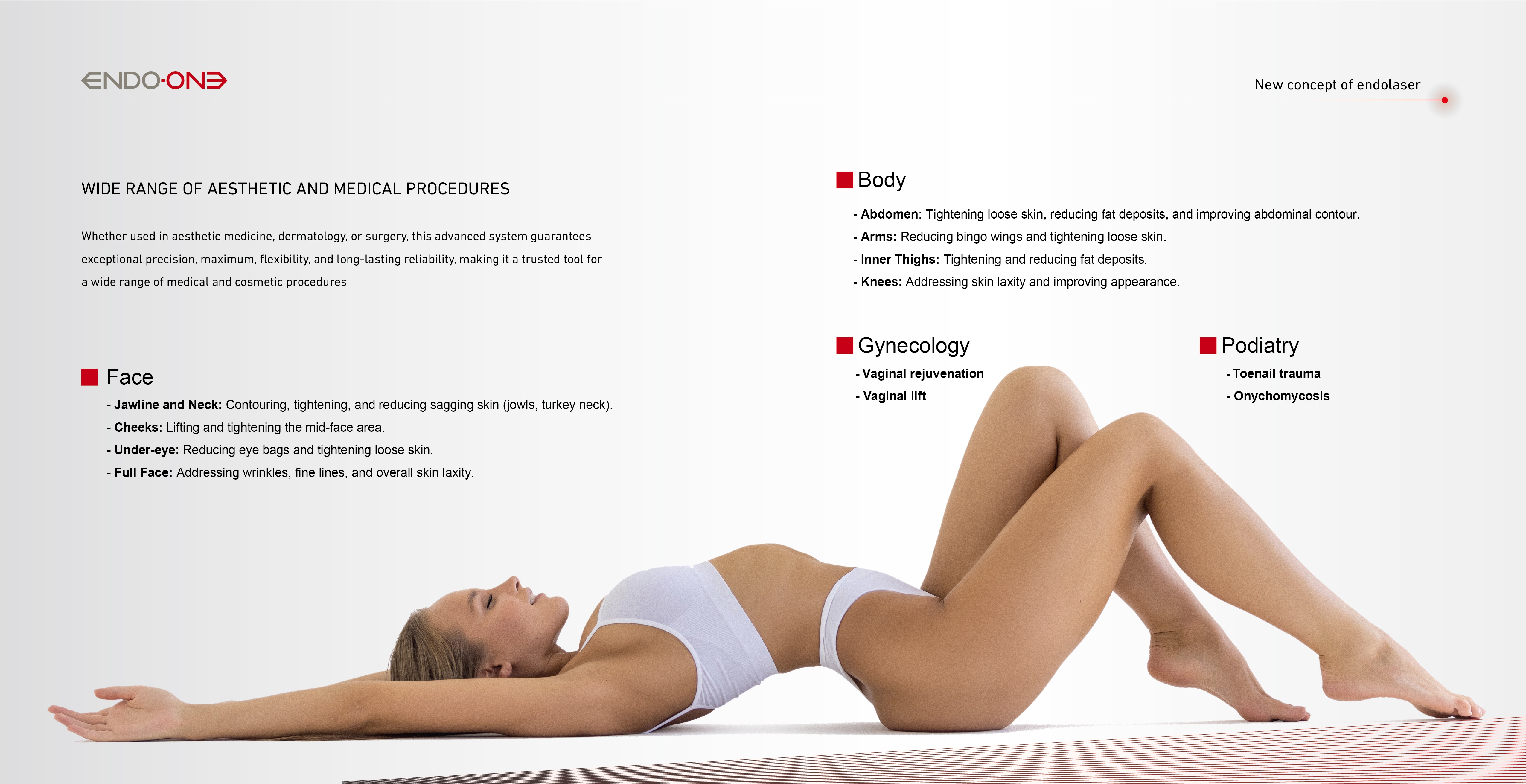
This targeted method allows practitioners to treat delicate facial regions, such as the upper lip, periorbital crow’s feet, and lateral cheeks, with high anatomical precision and consistent safety.
Navigating the Dermal-Subdermal Junction with 400 Micrometer Fibers
Treating delicate facial zones demands ultra-fine optical hardware capable of navigating narrow tissue planes without causing mechanical trauma. Optical fibers measuring 400 micrometers in diameter provide exceptional flexibility and minimal displacement.
Clinicians advance the 400 micrometer bare-tip fiber into the superficial subdermal plane through a fine 20-gauge puncture portal. Entry sites are placed discreetly along natural margins, such as the pre-auricular crease or vermilion border. The fiber is advanced precisely along the dermal-subdermal junction. The integrated 650 nanometer red aiming beam transilluminates brightly through the thin skin. This allows the operator to verify that the fiber tip remains within the correct plane, avoiding both deep structures and superficial placement.
Micro-Pulsing Protocols for Perioral and Periorbital Rhytids
The periorbital and perioral zones feature exceptionally thin skin with rich vascularity, requiring delicate energy titration. Continuous thermal accumulation in these areas risks localized thermal injury and prolonged swelling.
Clinicians manage thermal exposure by implementing micro-pulsing protocols. The system allows operators to set pulse durations and intervals between 0.1 milliseconds and 10,000 milliseconds. Setting pulse durations between 10 and 50 milliseconds with equal cooling intervals heats targeted dermal collagen to 60-65 degrees Celsius. This controlled pacing prevents heat buildup in adjacent capillary networks, while real-time non-contact thermal monitoring ensures epidermal temperatures remain strictly below the safe 40 to 42 degrees Celsius threshold. This precise thermal relaxation management ensures rapid tissue recovery and virtually eliminates post-procedure bruising.
Formulating Patient-Specific Protocols Across Diverse Skin Conditions
Aesthetic practices treat diverse patient cohorts presenting varying degrees of photo-aging, skin thickness, and tissue laxity. Standardized, rigid laser protocols often yield sub-optimal results or unnecessary procedural risks.
The platform empowers clinicians to formulate individualized treatment protocols by modulating power output, pulse parameters, and wavelength ratios. In patients presenting with fine static rhytids combined with mild superficial adiposity in the lower cheeks, practitioners utilize a blended emission combining 980 nanometer and 1470 nanometer wavelengths. In patients exhibiting purely atrophic dermal thinning around the eyes and mouth, clinicians deploy the 1470 nanometer wavelength exclusively at conservative power settings of 2 to 4 watts, focusing energy entirely on water-mediated collagen stimulation.
Positioning Subdermal Laser Remodeling Within Multi-Modality Practice Menus
Integrating subdermal endolaser wrinkle reduction strengthens a medical practice’s procedural portfolio by providing a standalone restorative treatment that pairs synergistically with existing aesthetic modalities.
Clinicians frequently position subdermal endolaser remodeling as a foundational regenerative treatment. Once the deep reticular dermis has been tightened and strengthened through endolaser neocollagenesis, practitioners can perform superficial non-ablative resurfacing or superficial chemical exfoliation several weeks later to address residual epidermal pigment. This layered multi-modality approach addresses both structural dermal laxity and superficial epidermal texture, providing patients with comprehensive facial rejuvenation.
Frequently Asked Questions About Full-Face Endolaser Rejuvenation
How does subdermal endolaser treatment reduce fine lines without adding volume?
Endolaser treatment reduces fine lines by inducing immediate photothermal contraction of existing collagen fibrils and stimulating long-term neocollagenesis within the reticular dermis. Unlike injectable dermal fillers that smooth wrinkles by expanding tissue volume, endolaser therapy thickens and tightens the patient’s own skin envelope naturally.
What optical fiber diameter is recommended for treating perioral lip lines?
A 400 micrometer bare-tip optical fiber is recommended for treating perioral lip lines. Its ultra-fine caliber navigates the shallow subdermal plane along the upper and lower lip with minimal mechanical displacement, delivering precise thermal micro-bursts that tighten vertical rhytids safely.
How much social downtime should patients anticipate after full-face laser treatment?
Patients typically experience mild localized edema and slight erythema that resolve within forty-eight to seventy-two hours. Because there are no surgical incisions, sutures, or open epidermal wounds, patients can resume professional and social activities quickly using basic post-procedure moisturizers and sun protection.
Can this protocol treat static wrinkles that persist when the face is at rest?
Yes, the protocol specifically targets static wrinkles caused by dermal elastosis and collagen thinning. By delivering therapeutic heat directly to the reticular dermis, the laser initiates deep collagen remodeling that smooths static creases that do not respond adequately to neurotoxin injections.
Is full-face endolaser remodeling safe for patients with darker skin types?
Because the optical micro-fiber delivers energy directly beneath the epidermal basement membrane, laser emission bypasses epidermal melanocytes entirely. This eliminates the melanin absorption risks that cause post-inflammatory hyperpigmentation in surface laser treatments, making the procedure safe across all Fitzpatrick skin types.
Advancing Practice Rejuvenation Standards with Targeted Laser Protocols
Adopting clinical fine line reduction for medical aesthetics enables modern aesthetic facilities to deliver predictable, natural facial rejuvenation that satisfies discerning patients. Bypassing epidermal barriers to treat structural dermal laxity at its anatomical source establishes a superior clinical standard that distinguishes progressive practices in a competitive aesthetic market.
Medical directors and clinical proceduralists interested in incorporating clinical fine line reduction for medical aesthetics into their practice menus can connect with advisory specialists through the official portal. Technical advisors provide comprehensive protocol documentation, optical fiber selection criteria, and practice implementation frameworks. Visit the official website at https://www.endo-one-prime.com/ to explore detailed system specifications and request a professional consultation.
Media Contact
ENDO ONE SRL
Prima Trav. Pisciarelli, 1B – 80078, Pozzuoli (NA) – Italy
This article was originally published by IssueWire. Read the original article here.