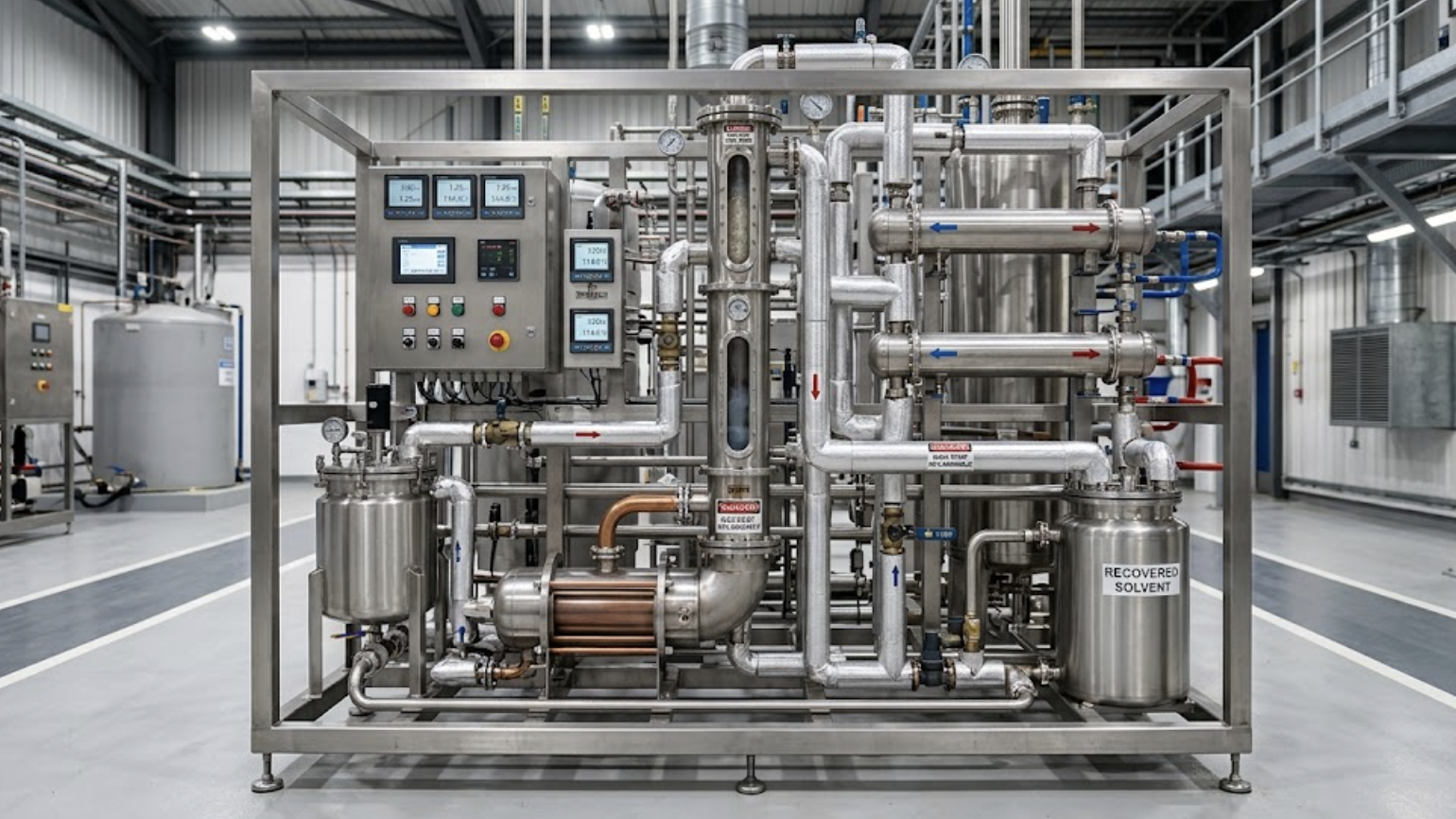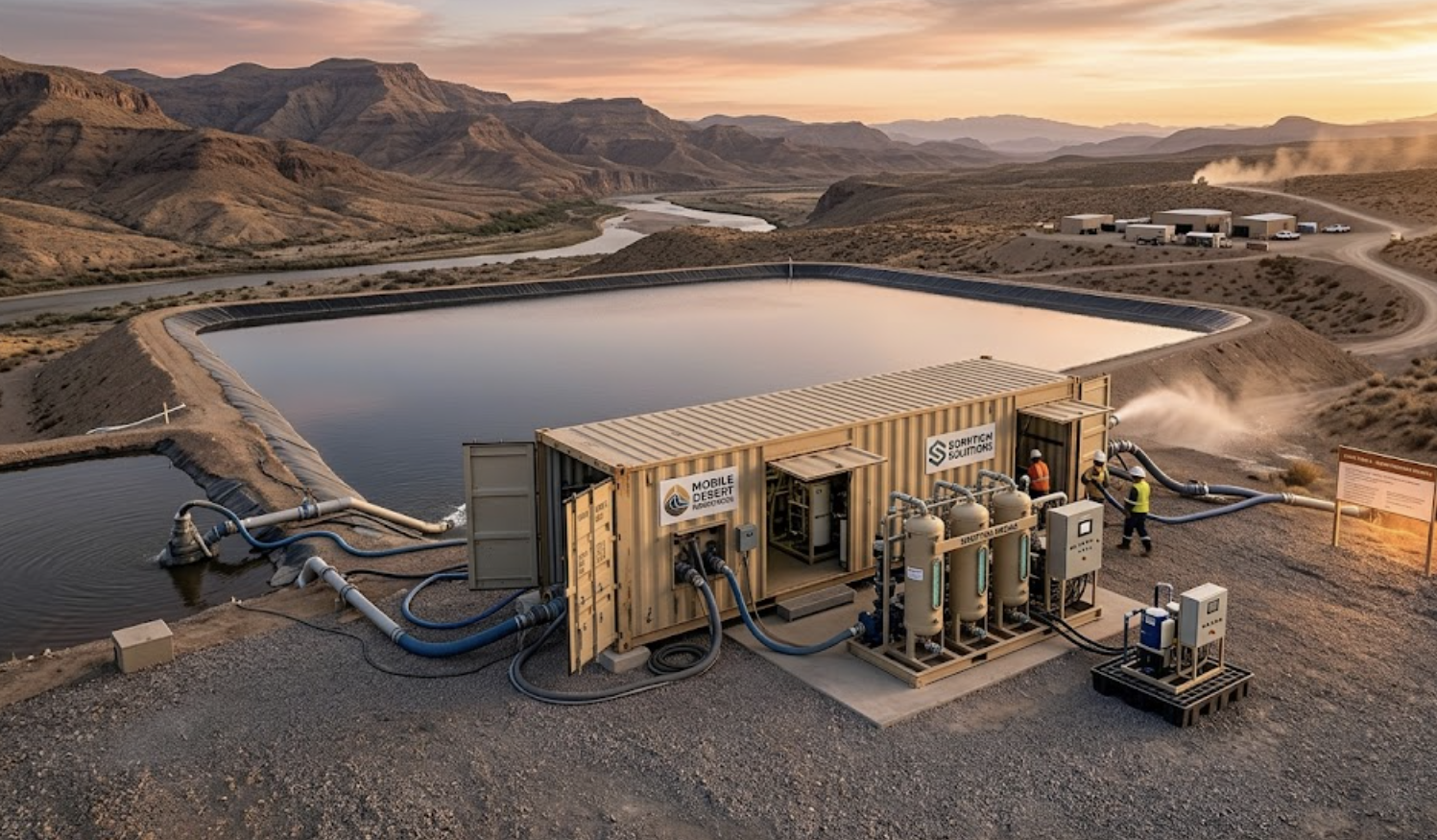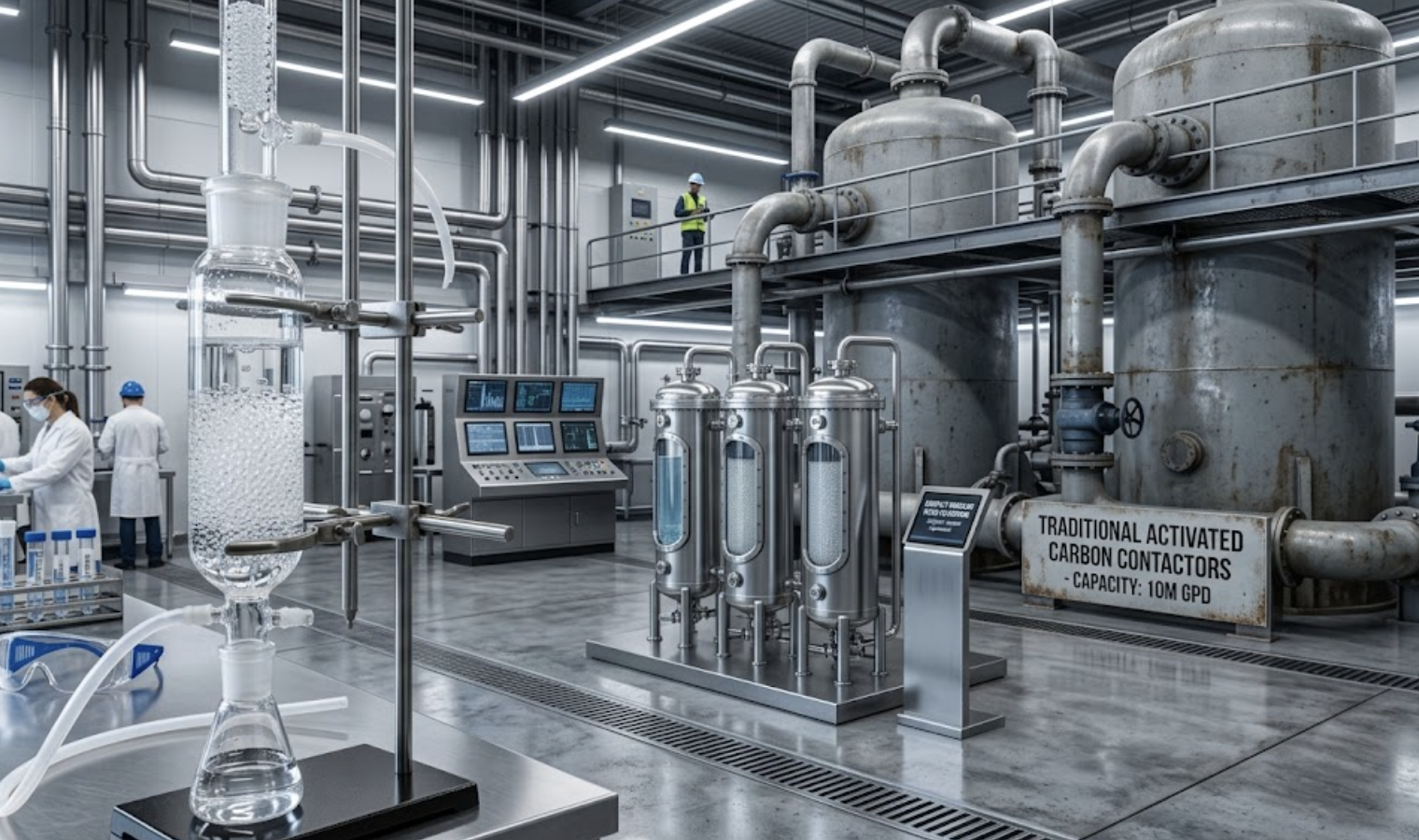
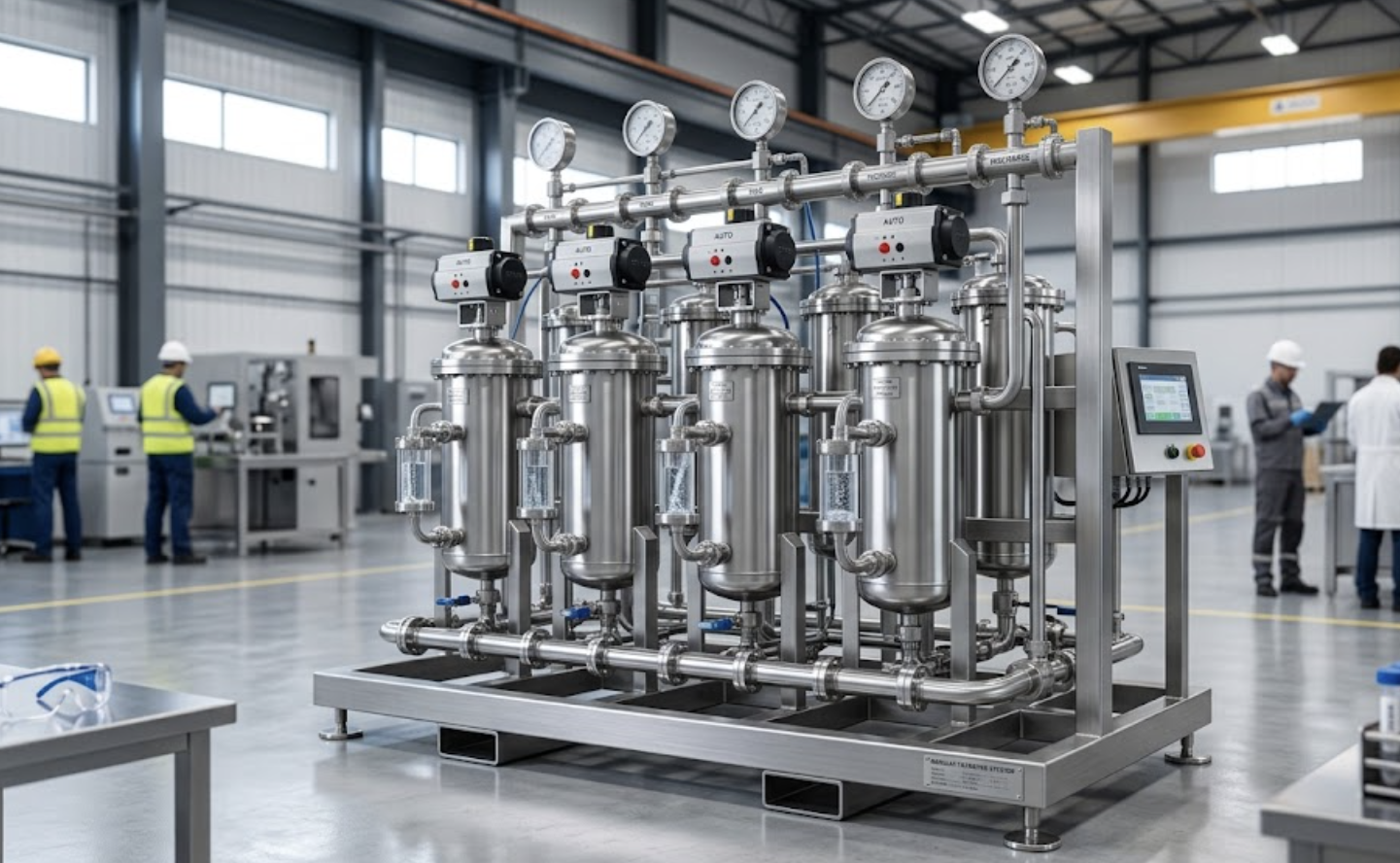
(WorldFrontNews Editorial):- Xian, Shaanxi Sep 28, 2026 (Issuewire.com) – The Mass Transfer Imperative: Rethinking Adsorption Kinetics in PFAS Remediation Water treatment engineers evaluating trace contaminant removal often focus on total equilibrium adsorption capacity. However, field performance in continuous-flow contactors depends far more on mass transfer kinetics than static loading limits. When perfluorooctanoic acid (PFOA) and perfluorooctane sulfonate (PFOS) pass through filtration vessels, sorption velocity dictates how quickly media can capture moving molecules. As an established Advanced PFOA PFOS Removal Resin Manufacturer (https://www.seplite.com/pfas-removal/), Sunresin evaluates separation efficiency through dynamic mass transfer mechanics rather than simple static equilibrium tests. Consequently, understanding kinetic rates helps municipal water providers optimize vessel dimensions and prevent unexpected contaminant leakage. The physical transport of fluorinated surfactant molecules involves distinct kinetic stages. First, target compounds diffuse through the liquid boundary film surrounding media particles. Second, molecules migrate into internal pore structures through intraparticle diffusion. Finally, target ions bind to active functional sites. If any transport step operates too slowly, liquid hourly space velocity must drop to prevent premature breakthrough. Therefore, kinetic velocity directly governs reactor sizing, vessel footprint, and total capital investment for municipal water treatment projects. Adsorption Kinetics Breakdown: Pseudo-Second-Order Rates, EBCT, and Mass Transfer Zones Comparing synthetic ion exchange media against Granular Activated Carbon (GAC) reveals dramatic disparities in sorption kinetics. Mathematical modeling using pseudo-second-order kinetic equations shows that specialized resins achieve kinetic rate constants (k2) significantly higher than activated carbon. GAC relies on tortuous micropores where internal pore diffusion limits mass transfer rates. In contrast, synthetic resins feature optimized pore channels that accelerate internal ion migration. Consequently, resin beads reach chemical equilibrium in minutes, whereas GAC particles require hours or days to achieve full capacity. This kinetic acceleration yields profound operational advantages in vessel design, particularly when deploying high-capacity strong base anion exchange resin (SBA) (https://www.seplite.com/strong-base-anion-exchange-resin-sba/) media. Conventional GAC contactors require Empty Bed Contact Times (EBCT) ranging between 10 and 20 minutes to prevent fluid channeling and early breakthrough. Conversely, advanced resin beds operate efficiently at EBCTs of only 1.5 to 3 minutes. This massive reduction in required contact time allows utilities to process identical flow volumes using substantially smaller vessel volumes. Furthermore, adsorption kinetics directly shape the Mass Transfer Zone (MTZ) within fixed-bed columns. Because synthetic resins exhibit rapid uptake rates, they form extremely sharp, self-sharpening MTZs. The concentration gradient transitions from influent levels to non-detectable effluent levels across a narrow bed depth. Conversely, GAC forms broad, diffuse mass transfer zones that propagate rapidly down the column. As a result, GAC beds release trace short-chain fluorinated compounds long before the carbon reaches complete saturation. Footprint Hydraulics and Operational Trade-Offs: Efficiency Gains Meets Pretreatment Realities Compressed contact times deliver dramatic footprint hydraulics and civil construction savings. Operating at high linear velocities reduces the number of parallel vessel trains needed for large municipal water plants. By replacing slow-moving carbon beds with compact resin columns, engineering teams can shrink the physical facility footprint by up to 70 percent. This reduction lowers concrete foundation requirements, simplifies piping manifolds, and decreases total capital expenditure for water purifiers. However, objective engineering analysis requires evaluating operational trade-offs alongside kinetic advantages. Fast kinetic media remain sensitive to physical fouling and competitive species present in raw water matrices. High levels of total suspended solids (TSS) can blanket resin bead surfaces, obstructing external film diffusion. Additionally, high concentrations of natural organic matter (NOM), such as humic and fulvic acids, can foul surface pore entrances over extended service cycles. To preserve rapid sorption kinetics, plant designers must implement proper upstream protection. Installing effective multimedia filtration, microfiltration, or cartridge filters removes suspended particulates before liquid enters the resin bed. Furthermore, select pre-treatment steps reduce organic foulants, preserving functional exchange sites for target fluorinated compounds. When combined with appropriate pretreatment, resin beds maintain exceptional kinetic performance across multi-year operating lifecycles. Polymer Kinetic Tuning: Molecular Engineering Behind Seplite® Ion Exchange Media Overcoming kinetic barriers in trace contaminant removal requires precise control over polymer synthesis chemistry. As a globally recognized leader in separation materials, Sunresin(Sunresin New Materials Co. Ltd.) (https://www.seplite.com/sunresin-profile/) engineers advanced resin matrices specifically tailored for high-velocity liquid phase separation. Listed on the Shenzhen Stock Exchange under Stock Code 300487, the enterprise integrates polymer chemistry research with large-scale industrial manufacturing to optimize resin pore architecture. The proprietary Seplite resin series features monodisperse spherical beads produced through advanced polymerization technology. Uniform bead size distribution eliminates liquid channeling and ensures even fluid distribution across the column cross-section. Additionally, precise control over crosslinking density creates an open macroporous network. This structural design minimizes intraparticle diffusion resistance, allowing PFOA and PFOS ions to reach internal quaternary ammonium exchange sites rapidly. Chemical functionalization further enhances target selectivity and kinetic velocity. Sunresin functionalizes polymer matrix backbones with hydrophobic amine groups that exhibit high affinity for fluorinated carbon chains. This dual electrostatic and hydrophobic binding mechanism ensures rapid, irreversible sorption. Furthermore, rigorous manufacturing quality control under ISO 9001 protocols guarantees consistent bead integrity, preventing physical breakdown and head loss under high hydraulic operating conditions. Empirical Validation to Field Scaling: Sunresin’s Kinetic Modeling and Turnkey EPC Execution Translating laboratory kinetic data into reliable full-scale plant design requires rigorous empirical validation. Sunresin New Materials Co. Ltd. provides comprehensive testing services to map breakthrough curves and verify mass transfer kinetics under real-world water conditions. Application specialists utilize Rapid Small-Scale Column Tests (RSSCT) to compress months of field testing into concise benchtop evaluations. These tests accurately predict bed volumes to breakthrough and determine optimal hydraulic loading rates. Beyond benchtop modeling, Sunresin delivers complete Engineering, Procurement, and Construction (EPC) services for municipal and industrial remediation projects. Engineering teams fabricate pre-engineered, skid-mounted vessel systems equipped with automated valve manifolds, digital pressure transmitters, and central control panels. These modular systems integrate seamlessly into existing water treatment infrastructure, drastically reducing site installation timelines. Furthermore, lifecycle technical support ensures long-term operational efficiency. Field service technicians assist plant operators with system commissioning, hydraulic balancing, and real-time performance monitoring. When resin media eventually reaches exhaustion after processing hundreds of thousands of bed volumes, technicians coordinate media replacement and spent resin management protocols, ensuring continuous regulatory compliance. Kinetic Pilot Framework: Transitioning Water Systems to High-Velocity PFAS Capture Water utilities seeking to upgrade legacy GAC systems should adopt a structured kinetic evaluation framework. First, engineers must conduct detailed water quality analyses to quantify background ions, total organic carbon, and baseline PFOA/PFOS concentrations. Second, utilities should run parallel column pilot studies to compare GAC and resin mass transfer rates under actual site hydraulics. Engaging an experienced technology provider streamlines this transition process. Partnering with a dedicated manufacturer provides access to specialized Seplite media, kinetic modeling tools, and full turnkey EPC execution. Municipal water managers, consulting engineers, and plant operators seeking technical datasheets, kinetic modeling support, and global project references can explore complete product portfolios on the official website: https://www.seplite.com/.
This article was originally published by IssueWire. Read the original article here.