(WorldFrontNews Editorial):- Wuxi, Jiangsu Sep 28, 2026 (Issuewire.com) – Modern Shipbuilding Panel Line equipment transforms flat maritime steel plates into rigid structural blocks for commercial and naval vessels. Engineering heavy shipyard automation since 1987, maritime machinery builder Wuxi Hualian Science & Technology Group–recognized across international yards as Hualian, builds synchronized panel production machinery. Global commercial shipbuilding demands accelerated delivery cycles, uncompromising joint integrity, and strict dimensional control across expanding order books. Transitioning from manual assembly to synchronized automation forms the core of modern shipyard productivity, enabling international shipyards to accelerate vessel block pre-assembly without increasing skilled labor requirements.
Plate fitting establishes the geometry of the joint
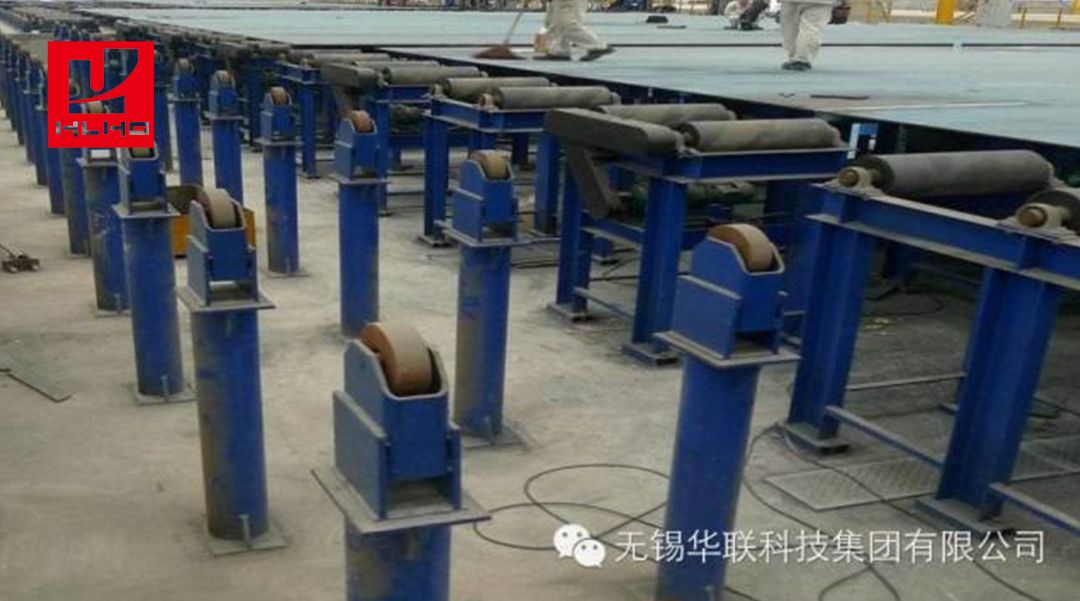
The panel line begins at the plate joining station, where multiple flame-cut or milled steel plates are aligned edge-to-edge. Standard ship plates measuring 2 to 3 meters in width and up to 16 meters in length are positioned on motorized roller conveyors. Hydraulic clamping units and magnetic positioning beds force adjoining plate surfaces perfectly flush. Eliminating vertical mismatch and controlling root gaps along long seams prevents excessive weld shrinkage and ensures uniform penetration during subsequent automatic joining passes. Accurate plate fit-up directly prevents weld pool roll-over and burn-through. Maintaining uniform root openings across long butt joints stabilizes welding arc parameters, creating consistent reverse-side bead contours. Magnetic alignment beds pull adjoining plate edges tight against heavy copper backing beams, eliminating mechanical step misalignments that cause weld defects under radiographic inspection.
Single-sided plate joining can form the weld on the reverse side
Joining wide plate assemblies historically required flipping heavy plates with overhead cranes to weld both sides. Hualian integrates flux-copper backing technology with multi-arc submerged arc welding gantries. This configuration deposits full-penetration butt welds entirely from the upper surface. The single-sided welding system employs a three-wire three-arc arrangement powered by four coordinated power sources. Operating across plate thicknesses from 10 mm to 35 mm, the gantry achieves travel speeds between 200 mm and 900 mm per minute. Granular flux pressed against a copper backing bar supports the molten weld pool from beneath. This creates a uniform, defect-free root bead on the reverse plate side without requiring gouging or back-chipping, slashing handling time and crane danger.
Single-pass butt joining protects plate surfaces from crane rigging gouges and eliminates the severe safety risks associated with flipping multi-ton plate assemblies. Eliminating crane flips saves up to forty minutes per plate assembly, allowing downstream stiffener gantries to operate without material starvation. Solidified backing flux forms a clean, uniform under-bead that meets radiographic inspection criteria on the first pass. This eliminates the need for pneumatic back-gouging or manual grinding on reverse plate faces. Avoiding back-gouging reduces workshop noise, suppresses airborne metallic dust, and accelerates plate transit into downstream stiffener mounting bays.
Marking and positioning prepare the longitudinal stiffeners
Once welded plates pass visual and ultrasonic testing, motorized roller beds transfer the panel blank to the stiffener mounting station. Longitudinal stiffeners, including bulb flats, angles, and welded T-sections, provide primary bending resistance across ship decks and bottom hulls. Automated conveyor carriages index stiffeners into position according to pre-marked layout lines. Heavy hydraulic clamping jaws hold stiffener webs tightly against the base plate under tons of clamping force, eliminating air gaps before welding commences. Synchronized multi-torch fillet welding gantries travel along the stiffener length, depositing balanced fillet welds on both sides simultaneously. Dual-side welding balances thermal heat input, dramatically reducing angular plate distortion and oil-canning.
Maintaining straight stiffener alignment ensures seamless structural continuity when hull blocks join together during dry dock erection. Sensors mounted on stiffener welding torches track joint seams dynamically, adjusting torch angles to accommodate minor mill camber in hot-rolled steel profiles. Automated stiffener feeder arms lift individual profiles from staging racks and orient them perpendicular to the plate surface. Pneumatic hold-down shoes press stiffener flanges firmly during tacking, maintaining straight alignment without human intervention.
Floor and girder work expands the assembly beyond the stiffened plate
After longitudinal stiffeners are securely welded, the panel moves downline to receive transverse floors, deep web girders, and internal bulkheads. These structural members provide transverse strength across the vessel hull. Operators utilize semi-automatic welding packages mounted on articulated booms to execute high-deposition fillet welds in challenging structural corners. The line design provides safe, well-lit walk-on access for fitters, welders, and quality control inspectors. Dedicated transverse staging areas enable shipyard fitters to position complex internal web frames without blocking upstream plate welding operations. Well-planned staging platforms allow welding crews to maneuver flux-cored guns efficiently around deep transverse girders, maintaining high deposition rates. Overhead articulated booms support heavy welding wire feeders and cable bundles, keeping workshop floor surfaces clear of tripping hazards. Mobile staging platforms allow fabricators to weld deep girder junctions comfortably, sustaining consistent arc-on time across extended production shifts.
Describe coordinated automation by the task being performed
Evaluating shipyard automation requires distinguishing between active process machinery and material handling equipment. High overall productivity relies on smooth coordination between both equipment categories. Process machines modify steel geometry directly through cutting and welding, whereas handling devices move intermediate assemblies between dedicated stations. Clearly defining boundaries between process equipment and material transfer prevents operational bottlenecks across expanding shipyard production schedules.
Process equipment changes the assembly
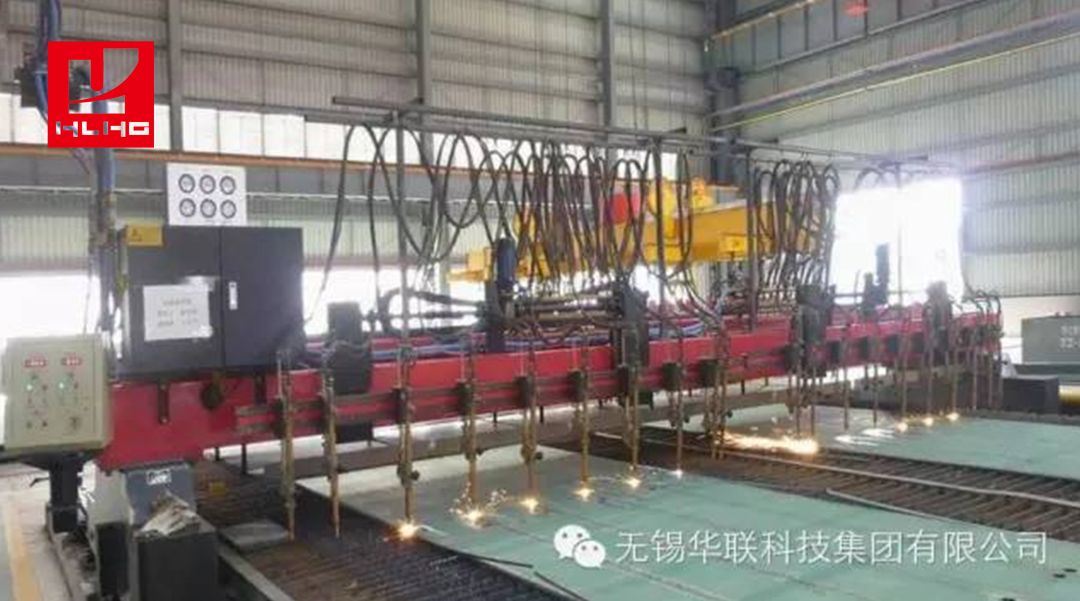
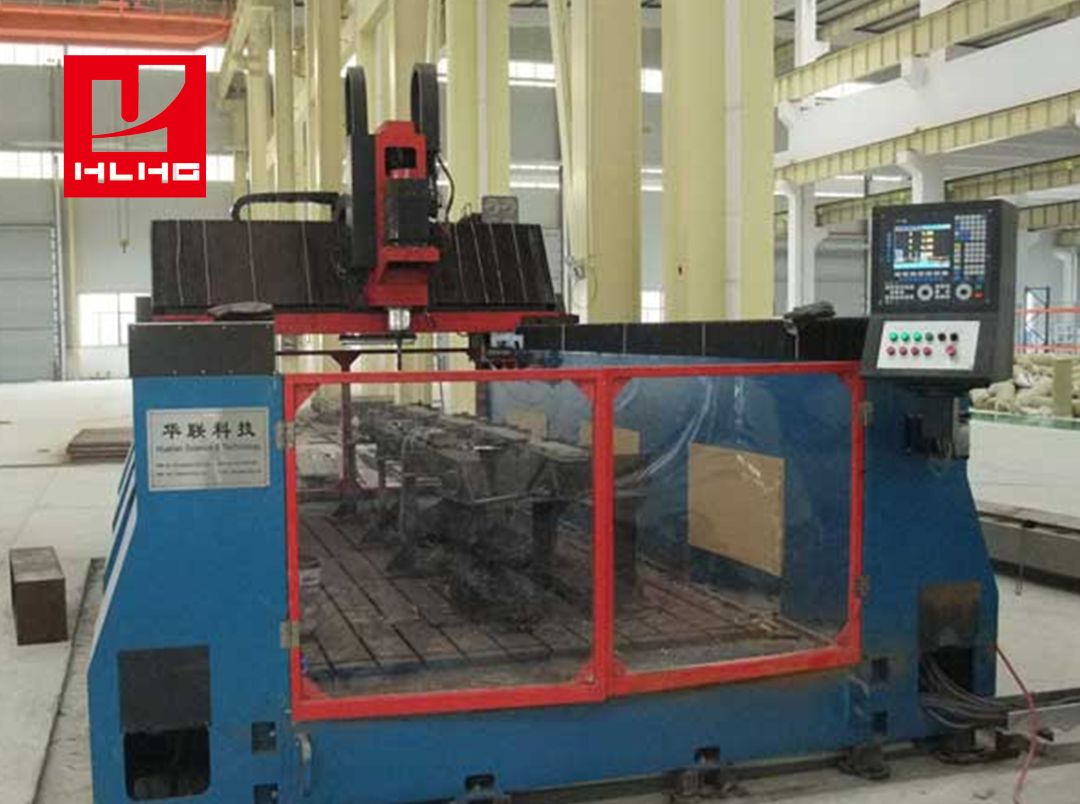
Process machinery encompasses cutting torches, hydraulic clamping beds, submerged arc welding power sources, and multi-torch carriages. These machines directly alter the physical shape, metallurgical integrity, and structural dimensions of the steel workpiece. Maintaining precise parameter calibration across all process stations ensures consistent mechanical strength and radiographic soundness across completed marine hull panels. Digital power sources regulate current and voltage continuously during high-deposition submerged arc welding, stabilizing arc force across varied plate thicknesses. Calibrated clamping fixtures hold stiffener webs securely against base plates, preventing angular distortion during simultaneous dual-side fillet welding.
Handling equipment connects the operations
Handling machinery includes powered roller tables, cross-bay chain transfers, hydraulic alignment magnets, and motorized gantry tractors. This equipment transfers heavy panels smoothly between processing stations, eliminating crane wait times and protecting workers. Coordinating conveyor drives with machine cycle interlocks prevents structural collisions, ensuring smooth, automated transit across the fabrication hall. Motorized roller beds feature precision variable speed drives that accelerate and decelerate multi-ton panels smoothly, preventing plate edge damage during station transfers. Automated cross-bay chain conveyors transfer completed stiffened panels directly into transverse framing bays without requiring overhead bridge crane assistance.
Shipyards upgrading plate fabrication facilities can review detailed machinery specifications, workshop layouts, and production line engineering with Hualian: https://www.hualianoversea.com/. Hualian delivers scalable panel production solutions that enhance structural productivity and dry dock erection speed.
Media Contact
Wuxi Hualian Science & Technology Group
This article was originally published by IssueWire. Read the original article here.