(WorldFrontNews Editorial):- Wuxi, Jiangsu Sep 28, 2026 (Issuewire.com) – Implementing a high-capacity CNC Plate Processing Line transforms raw heavy plate into precision-machined connection parts, gussets, baseplates, and structural members. Developing precision machine tool and thermal cutting systems since 1987, Wuxi Hualian Science & Technology Group–operating globally under the brand Hualian, engineers automated plate processing systems. Structural steel fabrication facilities, bridge builders, and heavy equipment manufacturers rely on processed steel plates to assemble built-up girders and trusses. Integrating drilling, thermal cutting, and edge beveling into a coordinated system slashes WIP inventory, eliminates manual layout errors, and accelerates structural shop throughput.
Start with the finished part and its reference dimensions
An effective equipment selection process begins with analyzing the fabricator’s finished part geometry. Bridge gussets, column baseplates, and truss nodes demand precise hole pattern pitches, square edges, and weld-ready bevels. Engineers must establish primary reference datums before raw plate processing begins. Machining bolt holes and beveling plate edges while referencing flame-cut outer edges risks transferring cutting tolerances into bolt circles. Establishing machined reference surfaces guarantees dimensional accuracy. Maintaining tight hole pitch tolerances prevents bolt hole mismatching during field erection of massive structural trusses and skyscraper beam-to-column connections. Accurate part geometry directly accelerates assembly welding, eliminating manual grinding and torch trimming on the fitting floor. Hydraulic edge-clamping stops reference raw plate edges against precision linear scales. Squaring raw plate boundaries before CNC drilling commences eliminates angular error accumulation across multi-hole bolt patterns.
Choose between a combined machine and coordinated stations
Structural steel fabricators primarily choose between two manufacturing architectures: all-in-one combined processing centers and linked independent workstations. Both equipment configurations offer distinct advantages depending on batch size, plate thickness, and factory bay layout. Combined CNC plate processing centers feature single-clamping architecture executing high-speed drilling, carbide milling, and thermal contour cutting without moving the parent plate. Alternatively, decoupled independent workstations utilize separate multi-spindle CNC drilling machines linked to heavy-duty multi-torch thermal cutting gantries via motorized roller conveyors. Facilities also integrate cross-transfer chains and magnetic lifters to coordinate continuous flow, alongside automated slag conveyors and part sorting bins that prevent production halts.
Combined-machine processing
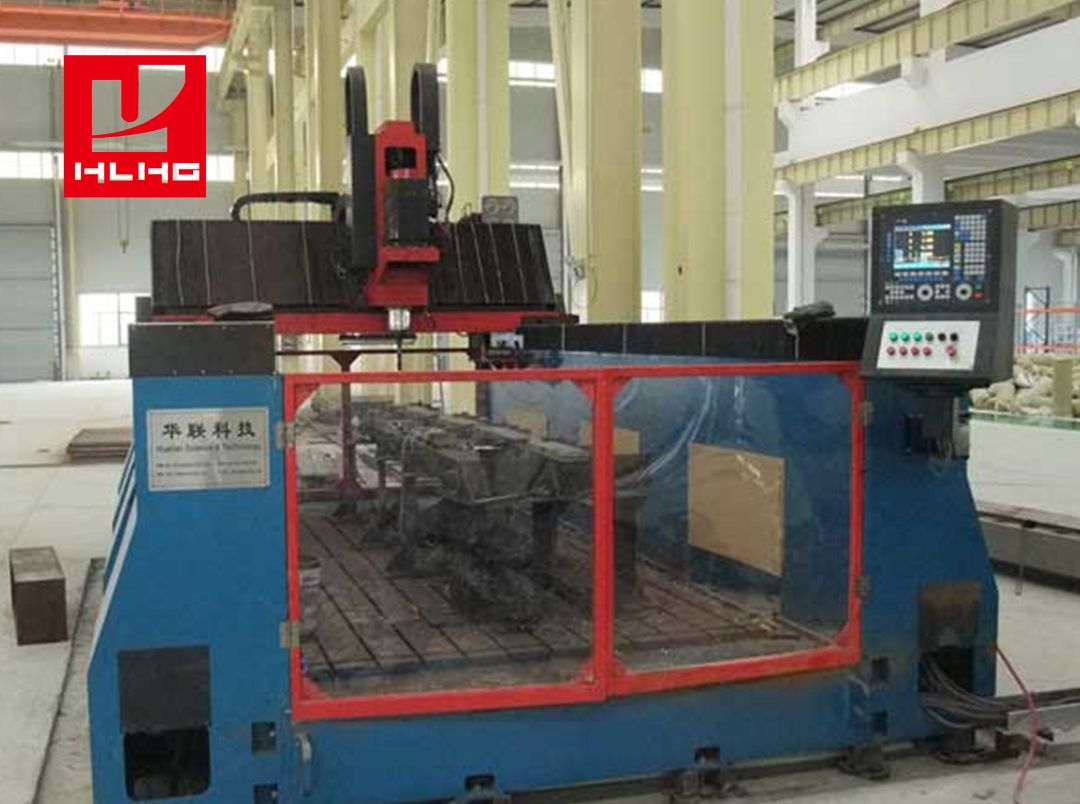
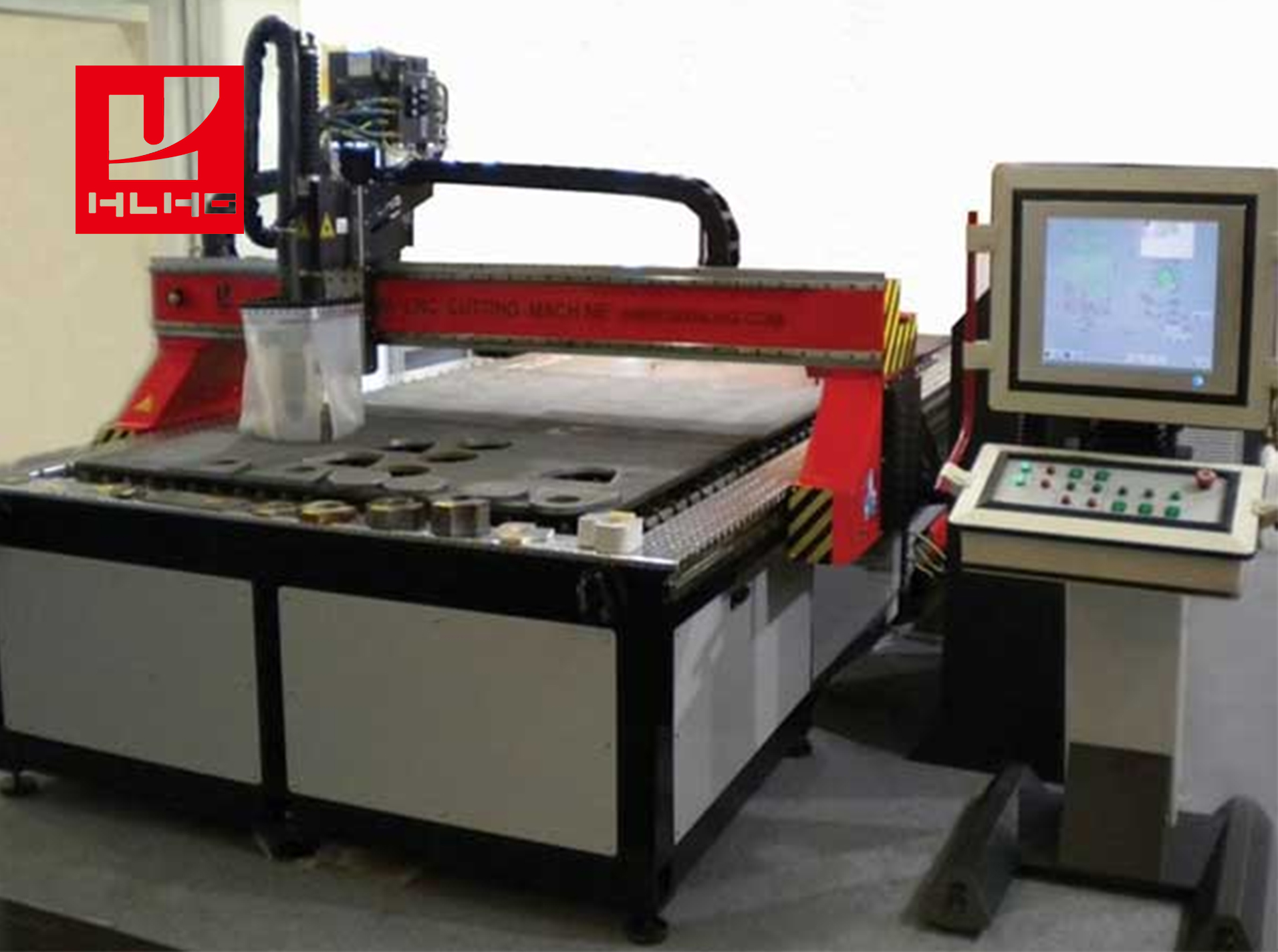
A combined CNC plate machine executes drilling, tapping, milling, and thermal cutting on a single clamping bed. The plate remains securely clamped while high-speed carbide drills machine bolt patterns and plasma torches contour part perimeters. Single-setup processing eliminates cumulative positioning errors and slashes material handling labor. However, when drilling large hole patterns, the high-value plasma torch remains idle, creating an operational trade-off in machine utilization.
Separate processing stations
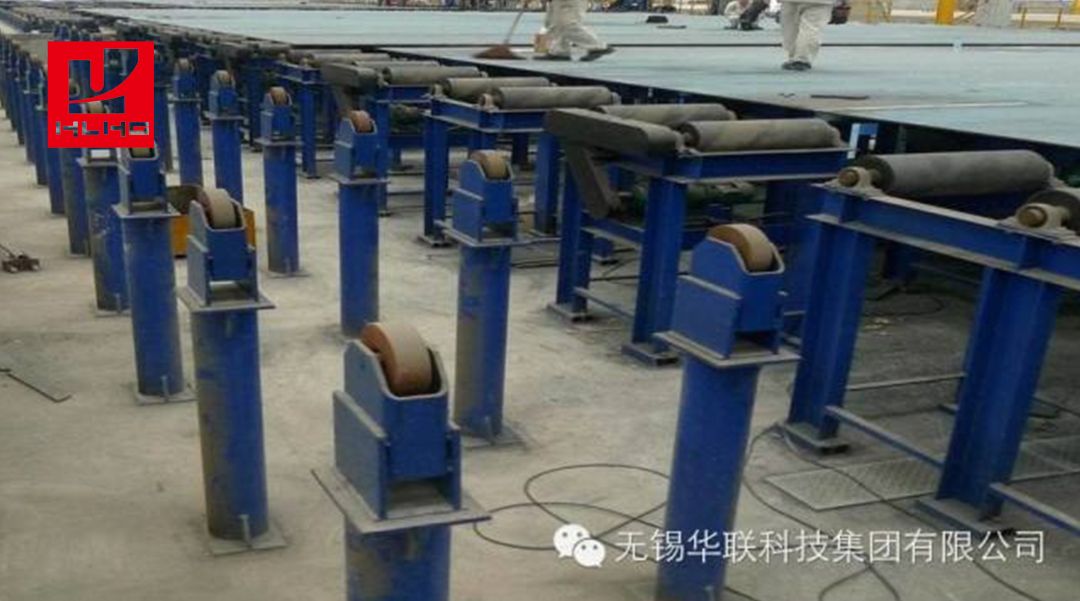
Coordinated independent stations separate high-speed multi-spindle drilling from heavy thermal cutting beds. Motorized roller conveyors and cross-transfer chains link the machines into a semi-automated production line. This decoupled layout delivers maximum gross output for high-volume structural workshops. The drilling center operates continuously on thick raw plates, while multi-torch gantry cutting machines process pre-drilled plates without mutual cycle interruption.
Match the cutting operation to the downstream requirement
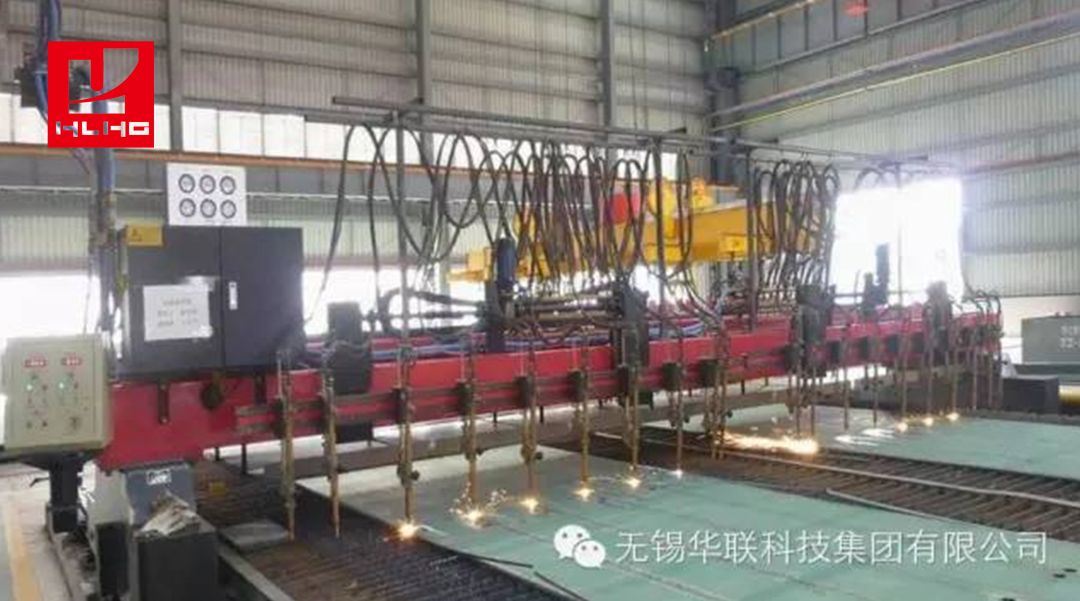
Selecting the appropriate thermal cutting technology depends on steel grade, plate thickness, and required edge preparation. High-definition plasma systems offer rapid cutting speeds on plates up to 32 mm, delivering narrow kerfs and minimal dross. For extra-heavy structural plates exceeding 40 mm, oxy-fuel flame cutting remains the industry benchmark. Hualian manufactures multi-torch flame cutting gantries equipped with 9 to 30 torch groups, achieving travel speeds between 100 mm and 750 mm per minute. Configuring multiple oxy-fuel torches allows simultaneous strip cutting, balancing thermal stresses and preventing narrow structural flanges from bowing laterally. Automated gas console regulation ensures consistent preheating and cutting oxygen pressures across all active torches, delivering clean, square plate edges. High-definition plasma cutting systems feature automatic gas mixing consoles that adjust oxygen and nitrogen ratios dynamically. Regulating plasma gas mixtures produces dross-free cut edges on high-strength structural steels, reducing secondary bevel grinding.
Read drilling capacity by model and setup
Drilling heavy structural steel requires rigid machine beds and high-torque spindles. For example, Hualian manufactures the ZK5550 series CNC plate drilling machines, processing plate thicknesses from 15 mm to 80 mm with drill diameters reaching 50 mm. Single-piece processing envelopes range from 1,000 mm by 1,600 mm up to 2,000 mm by 1,500 mm. Modern hydraulic clamping pads hold raw plates firmly against internal vibrations, extending tool life during high-speed drilling passes. Equipping drilling spindles with internal coolant channels ensures efficient chip evacuation and prevents carbide inserts from overheating during deep hole drilling. Rigid portal frames absorb heavy axial thrust loads during large-diameter drilling, preventing spindle deflection and maintaining true hole perpendicularity. Automatic tool changers holding multiple drill diameters reduce setup times on complex gusset plates requiring varied hole sizes. High-pressure through-spindle coolant flushes metal chips away from cutting edges, preventing tool breakage. Programmable feed rates adjust spindle penetration automatically as drills transition between plate surfaces and internal steel cores.
Select operation order around support and reference transfer
Determining whether to drill before cutting depends on part size and nesting strategy. Drilling bolt holes into a full-sized raw plate provides maximum clamping stability and heat dissipation. Once bolt holes are drilled, thermal cutting torches profile individual parts from the master plate. Attempting to drill small, loose connection plates after flame cutting requires specialized mechanical fixturing and slow manual loading. Executing internal hole drilling before external perimeter cutting keeps the heavy parent plate anchored firmly on support slats. Clamping pressure remains distributed across the wide plate mass, preventing workpiece shifting during high-thrust drilling cycles.
Design the transfer for the workpiece that actually moves
Workpiece transfer mechanisms must suit physical part dimensions across the line. Moving full 12-meter parent plates requires heavy-duty motorized roller tables capable of supporting dynamic point loads. Conversely, moving small cut gussets requires segmented slat conveyors, magnetic unloaders, or automated part sorting gantries. Planning scrap removal troughs and drop bins beneath cutting tables prevents slag accumulation from halting production. Powered magnetic lifters installed on overhead transfer gantries sort cut parts quickly from skeleton scrap. Sorting parts into dedicated rolling bins streamlines material transit into downstream welding and assembly bays.
Use a representative part to test the proposed route
Fabricators evaluating plate equipment should select three representative parts: a complex bridge gusset, a heavy column baseplate, and a standard beam connection clip. Testing proposed machine layouts against these parts reveals setup bottlenecks and confirms cycle times.
Structural steel companies and heavy machinery manufacturers can consult Hualian to configure customized CNC plate processing lines: https://www.hualianoversea.com/. Hualian delivers integrated cutting, drilling, and handling systems that maximize steel fabrication efficiency.
Media Contact
Wuxi Hualian Science & Technology Group
This article was originally published by IssueWire. Read the original article here.