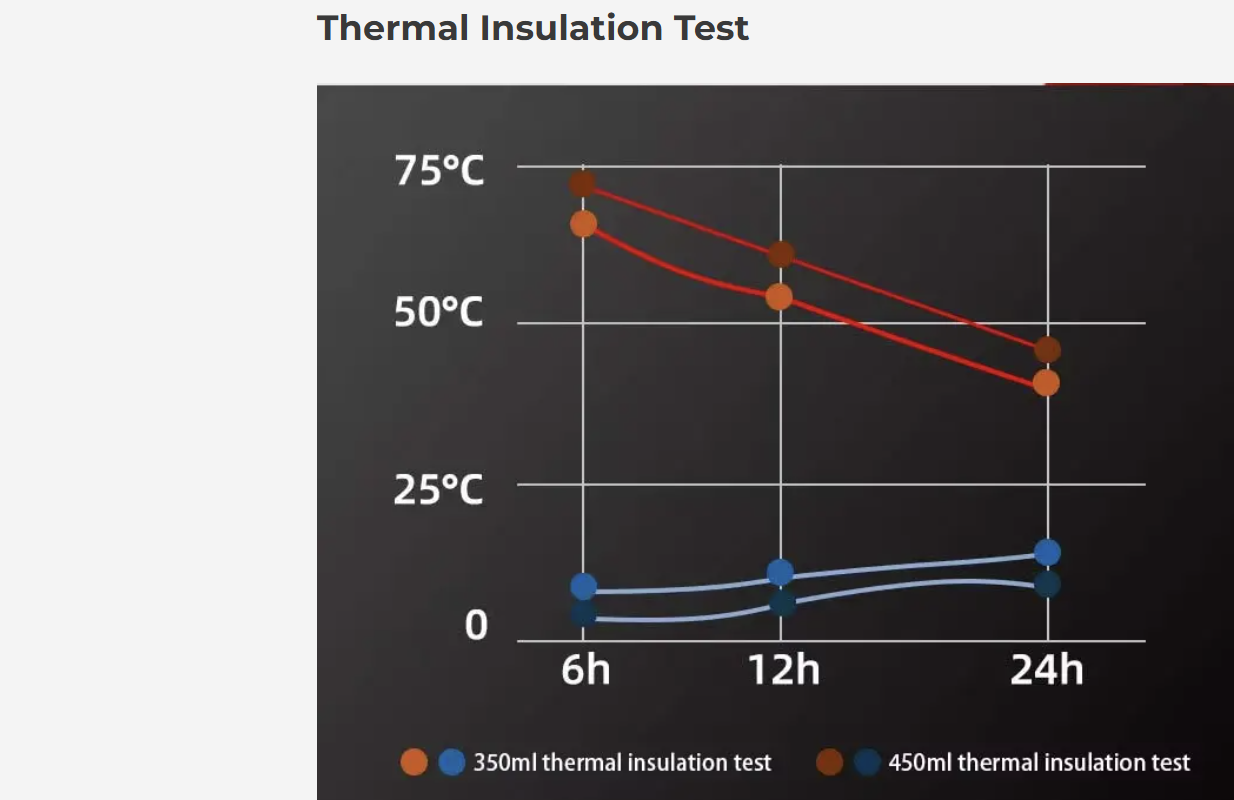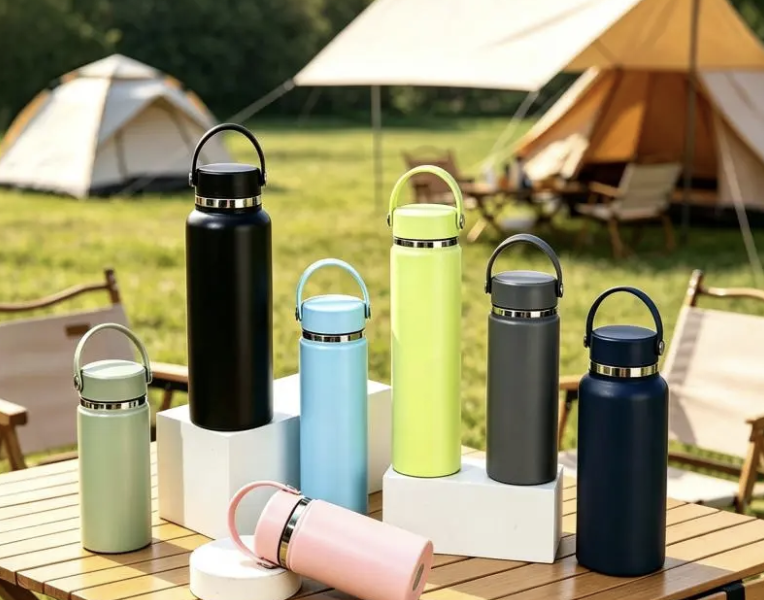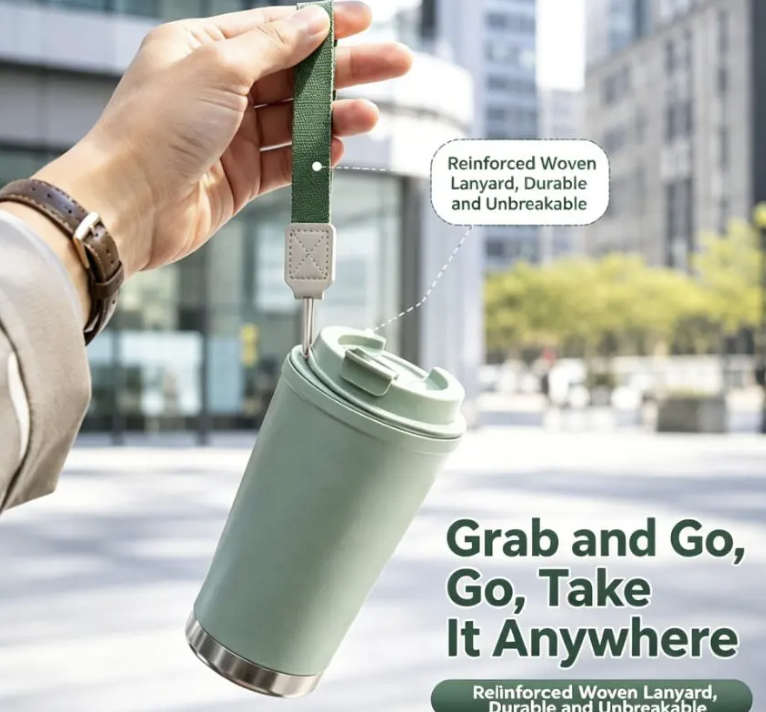
(WorldFrontNews Editorial):- Yongkang, Zhejiang Oct 14, 2026 (Issuewire.com) – Picture this: you are halfway up a rugged mountain trail at dawn, the morning air biting at your face, and your hands are freezing against the metal of your gear. You reach for your flask, expecting a reviving gulp of hot coffee, only to find it lukewarm, or worse, the lid has jammed shut because grit worked its way into the threads during the scramble. When you are miles away from civilization, every piece of equipment either solves a problem or creates one. Modern outdoor exploration and sports travel have evolved far beyond casual weekend picnics; today’s enthusiasts push further into remote terrains, demand longer endurance from their gear, and expect absolute reliability under punishing conditions. Understanding the Demands of Global Outdoor and Sports Travel The modern intersection of high-intensity athletics and cross-border travel presents a unique set of micro-environmental challenges. Consider a cyclist navigating dusty, sun-baked gravel tracks in Southern Europe, or a trail runner crossing humid tropical highlands where hydration frequency is the difference between peak performance and exhaustion. In these scenarios, gear is subjected to relentless kinetic shock, temperature differentials, and abrasive elements. Athletes and travelers face distinct operational hurdles. First, thermal retention must withstand extreme ambient swings–keeping beverages ice-cold during desert treks or piping hot in alpine base camps without degrading over years of service. Second, ergonomic interface design is critical; users often operate equipment with gloved hands or while in motion, meaning flip-top lids, secure locking mechanisms, and textured grips are not mere luxuries but functional necessities. Third, structural durability dictates longevity. Accidental drops against granite boulders or repeated impacts inside bicycle bottle cages will dent or fracture inferior vessels, leading to vacuum loss or chemical leeching. Solving these real-world dilemmas requires a rigorous matching process between user application and material science. Selecting the right vessel means evaluating wall thickness, grade selection of stainless steel, and surface finishing techniques that resist scratching and microbial growth. Step-by-Step Selection Guide for High-Performance Hydration Gear To make an informed purchasing or sourcing decision for outdoor and travel deployment, evaluate options through a systematic framework. Step 1: Assess Thermal Performance and Wall Engineering Examine whether the vessel utilizes double-wall vacuum insulation. Premium options eliminate thermal bridging by creating an airtight vacuum barrier between inner and outer chambers. For extended outdoor excursions, look for copper-plating on the inner wall exterior, which reflects radiant heat and extends temperature preservation times significantly beyond standard unplated designs. Step 2: Verify Material Grade and Corrosion Resistance Ensure the interior container is fabricated from food-grade austenitic stainless steel, such as 304 or 316 variants. This ensures resistance against organic acids found in sports drinks, fruit infusions, and coffee, preventing metallic aftertastes and pitting corrosion caused by sweat or coastal salt air during travel. Step 3: Analyze Lid Mechanics and Spill-Proof Security For active sports and travel, the lid is the primary point of failure. Evaluate whether the mechanism features a secure locking latch coupled with a silicone-sealed flip-top lid. The design must prevent accidental opening inside a backpack while remaining operable with a single hand during movement. Step 4: Inspect Ergonomics and Exterior Finish Consider tactile grip and portability. Powder-coated or textured matte finishes provide superior traction when hands are wet or gloved. Furthermore, verify that the exterior profile fits standard bicycle cages, backpack side pockets, and automobile cup holders without requiring awkward adapters. Step 5: Review Manufacturing Provenance and Compliance Look behind the brand name to evaluate production capabilities. Partnering with established entities like SKIRTON (https://www.youtumbler.com/about-us/) ensures access to advanced manufacturing infrastructure, strict quality control protocols, and adherence to international food-contact safety standards. Engineering Excellence and Craftsmanship in Modern Drinkware Behind every reliable hydration vessel lies a complex matrix of industrial design and precision manufacturing. Elite production does not happen by accident; it is the result of decades of accumulated engineering refinement. Operating from an 80,000-square-metre intelligent production base equipped with 20 automated production lines, large-scale manufacturers can maintain exacting tolerances that manual assembly lines simply cannot replicate. When examining product craftsmanship, attention to detail separates standard containers from professional-grade equipment. Seamless inner-wall stretching eliminates microscopic crevices where bacteria can colonize. Advanced laser-welding techniques secure the base and neck assemblies, ensuring that drops and impact shocks do not compromise the vacuum seal. Furthermore, electro-polishing internal surfaces creates a mirror-like finish that naturally repels stains and odors, reducing cleaning friction for travelers on extended journeys. For B2B buyers and discerning end-users alike, evaluating a manufacturer’s technical lineage is paramount. Companies with extensive research and development backgrounds approach thermal engineering not as a superficial styling exercise, but as a discipline rooted in thermodynamics and materials science. This commitment to structural integrity ensures that every unit leaving the production line delivers consistent performance across thousands of thermal cycles. Featured Product Application and Design Case To understand how these engineering principles translate into physical utility, examine specialized solutions tailored for hybrid commuter and outdoor environments. For instance, the Anti-fall Design Outdoor Use Car Double Wall Stainless Steel Vacuum Coffee Mug Flip Top Lid Product (https://www.youtumbler.com/anti-fall-design-outdoor-use-car-double-wall-stainless-steel-vacuum-coffee-mug-flip-top-lid-product/) exemplifies how targeted structural modifications solve common travel pain points. Engineered specifically for individuals transitioning between vehicular transport and outdoor exploration, this mug addresses the vulnerability of standard travel mugs to accidental tipping and impact damage. The lower profile features an expanded base diameter combined with a non-slip silicone base pad, dramatically lowering the center of gravity to prevent spills on uneven terrain or bumpy roads. Its double-wall vacuum construction maintains internal heat for hours, while the robust flip-top lid incorporates a secondary locking ring to eliminate accidental actuation inside a travel pack. By integrating ergonomic contouring with heavy-duty stainless steel fabrication, this product bridges the gap between urban convenience and rugged outdoor durability, serving as a reliable companion for diverse activity profiles. Strategic Procurement Solution for Global Markets Sourcing high-performance outdoor and travel drinkware requires aligning operational requirements with a manufacturing partner capable of scaling quality without compromise. Whether outfitting retail shelves, corporate promotional programs, or specialized outdoor gear chains, buyers must look beyond unit costs to evaluate thermal consistency, supply chain resilience, and custom OEM and ODM execution capabilities. To explore comprehensive product catalogs, technical specifications, and tailored manufacturing solutions designed for global export markets, visit the official Sports Water Bottle (https://www.youtumbler.com/products/) collection page. Aligning with an experienced production leader ensures that your inventory meets the rigorous demands of modern outdoor enthusiasts and travelers worldwide. For more information, please visit: https://www.youtumbler.com/
This article was originally published by IssueWire. Read the original article here.