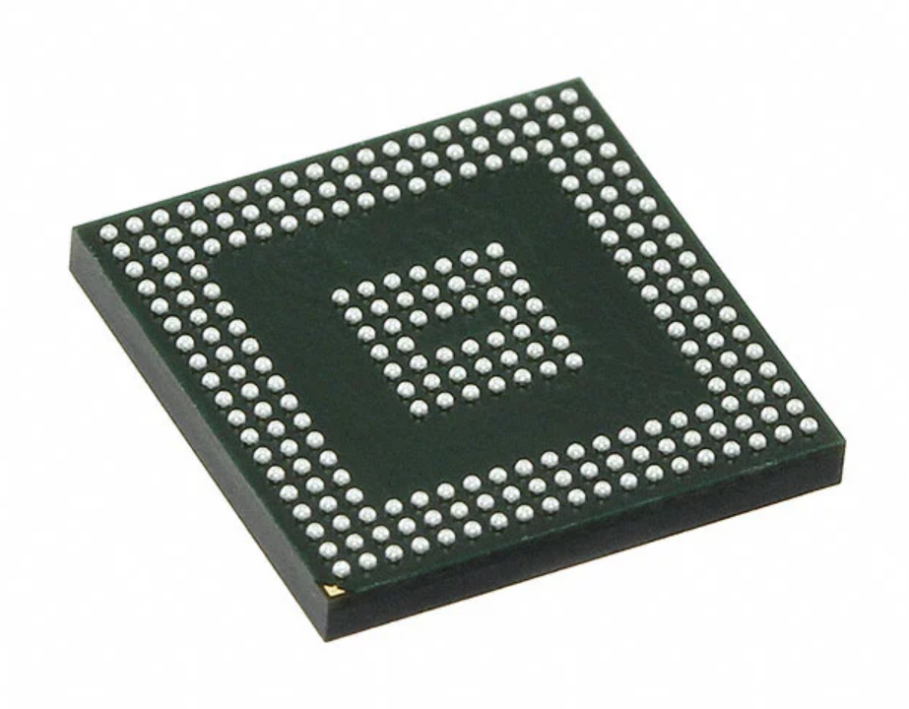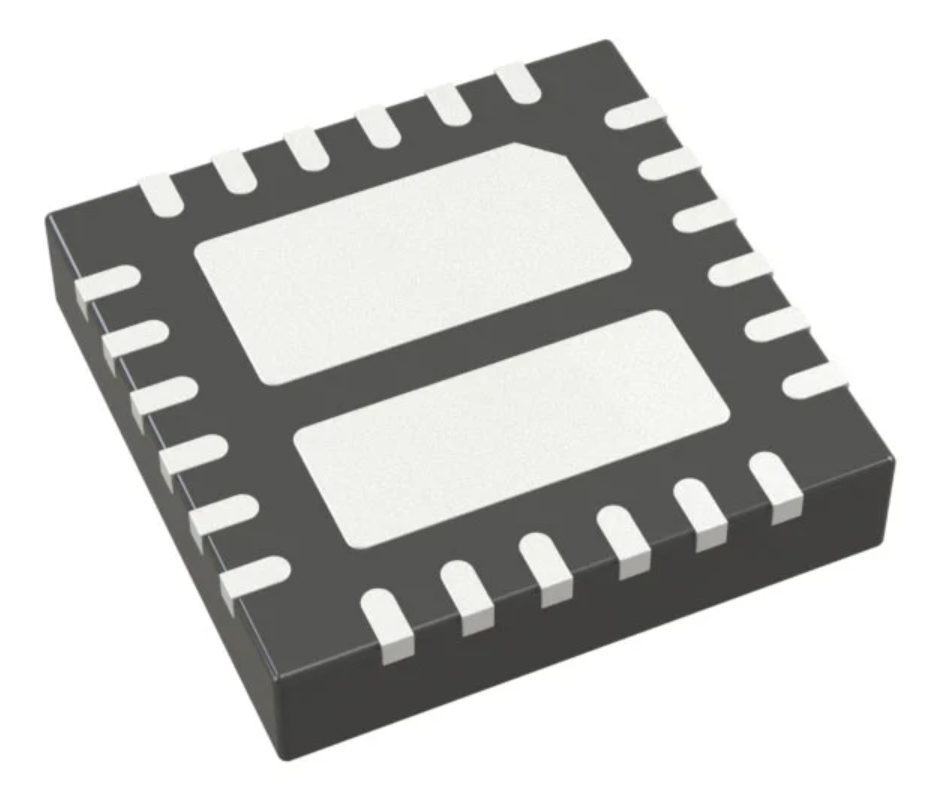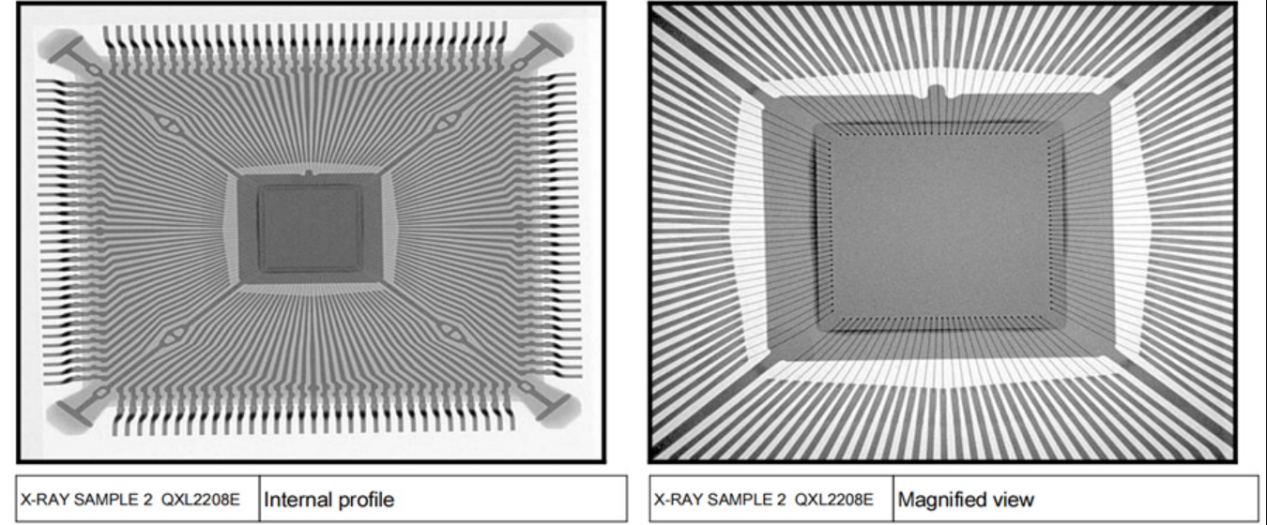
(WorldFrontNews Editorial):- Shenzhen, Guangdong Oct 14, 2026 (Issuewire.com) – Lead-time swings, sudden end-of-life notices and shifting wafer allocation continue to complicate production planning for original equipment manufacturers. A single microcontroller moving from eight weeks to forty can hold up an otherwise healthy build schedule. In situations like this, buyers are less interested in catalogue breadth than in three practical questions: is the stock real, can it be found again next quarter, and how fast will a quote arrive? These are the questions a professional global IC chips distributor is expected to answer. Conevo Electronics (https://www.conevoelec.com/about-us/) works from Hong Kong as an independent spot-stock distributor of integrated circuits and related components, supplying manufacturers in industrial, automotive, consumer and communications sectors. The approach is straightforward — verified inventory on hand, sourcing across multiple regions, quick replies, and engineering input where a substitution is needed. Q1: How Does Market Visibility Help Buyers Handle Unpredictable Lead Times? Extended lead times usually trace back to limited visibility into what happens upstream. When foundries reallocate capacity or a product line quietly moves toward end-of-life, downstream manufacturers often hear about it late. CONEVO’s team brings more than two decades of combined experience in international component channels, and that background is used mainly for one purpose: keeping track of what is tightening and what is loosening in the market. Product change notices, lifecycle status updates and shifting quote patterns from multiple sources are reviewed regularly rather than checked only after a shortage appears. In practice, this means a buyer submitting a BOM can be told which line items look exposed — parts entering a long-lead phase, parts with narrowing supply, or parts already flagged for phase-out. Where a component is heading out of production, functionally comparable alternatives can be suggested for evaluation, along with an indication of how much stock is realistically available in the market. Some customers use this information to hold a modest buffer on a handful of risky parts instead of over-ordering across the whole bill of materials. It is not a forecast of the market; it is simply earlier information, which usually costs less than an unplanned line stop. Q2: How Is Inventory Authenticity Confirmed Before Shipment? Buying from the open market widens access, and it also raises a fair concern. During shortages, refurbished, remarked or out-of-spec parts do circulate. This is why incoming material at CONEVO passes through a structured inspection process (https://www.conevoelec.com/quality/) before it is put into stock or released to a customer, with batch records kept so that any shipment can be traced back to its source. Inspection starts with non-destructive checks: external visual examination followed by real-time X-ray to look at lead frames, die dimensions and wire bonding. Where a batch needs closer confirmation, decapsulation is used to expose the die and compare manufacturer logos, copyright marks and wafer codes against reference samples. Functional side testing includes pin correlation checks, solderability assessment to J-STD-002B, and dry-pack handling in line with J-STD-033B. For programmable and processor-type devices — FPGA, MCU, DSP and logic — functional and temperature testing can be arranged so that behaviour is confirmed rather than assumed. Test reports and photographs are provided with the shipment, and if a batch does not pass, it does not ship. Quantities offered reflect what is physically verified and on hand, not aggregated listings. Q3: Does Global Sourcing Have to Mean a Slow Response? A frequent assumption is that international sourcing adds days of back-and-forth before a price even appears. Response speed at CONEVO is treated as part of the service rather than a bonus. Urgent enquiries and shortage lists are handled by a dedicated account contact, with availability and pricing normally confirmed within 24 hours; for parts already held in stock, the answer is usually much faster than that. The sourcing side works across several channels at once — authorised and factory-direct supply where it exists, and the independent market where it does not. Because requests are put in front of a network of qualified suppliers in different regions simultaneously, hard-to-find and discontinued parts often surface where a single-channel search would return nothing. Hong Kong’s position as a free port keeps documentation and export handling relatively simple, and consolidated air shipments allow verified stock to leave quickly once testing is complete. Storage conditions are controlled for humidity and temperature, and parts are packed in anti-static and moisture-barrier materials appropriate to their level, so what arrives at the assembly plant is in the same condition it left in. Continuity matters as much as speed. Repeat requirements are recorded, so a part sourced once can usually be sourced again, and second-source options are identified in advance for components that have proven difficult to obtain. Q4: What Does an In-House Engineering Team Add to a Stock Distributor? Component distribution today involves more than order entry. Board designs are dense, and swapping one device for another is rarely a matter of matching a part number prefix. CONEVO keeps application engineers in-house, and they are involved at the points where a purchasing decision becomes a technical one — during prototyping, during cost reviews, and during shortages. When a microcontroller or signal processor moves to a long lead time, electrical parameters, package and pinout, and firmware or toolchain compatibility are compared before any alternative is put forward. Some candidates are true drop-in replacements; others require a minor layout or software change, and that distinction is stated plainly instead of being left for the customer to discover at first build. Looking at alternatives during the design phase rather than after release tends to be the cheaper route, since it avoids redesign work and helps keep launch dates intact. This kind of support also feeds back into sourcing: parts known to be fragile in supply can be designed around early. A Practical Basis for Component Procurement Reliable procurement usually comes down to unremarkable things done consistently — knowing what stock is genuine, knowing where more of it can be found, replying quickly, and being honest about what a substitute will and will not do. By combining independent sourcing flexibility with staged laboratory testing and engineering review, CONEVO offers a model built for periods when supply is uneven. Independent channel access helps buyers secure constrained components; in-house testing keeps risk under control; and technical support connects the part on the shelf to the board it has to work on. Manufacturers looking to check part authenticity, close a gap in a bill of materials, or find a second source for a difficult component can send enquiries and stock lists through the official website at https://www.conevoelec.com/
This article was originally published by IssueWire. Read the original article here.