(WorldFrontNews Editorial):- Hong Kong, Hong Kong S.A.R. Oct 28, 2026 (Issuewire.com) – Choosing a Custom LSR Molding Supplier is no longer only a question of who can build a mold. For medical, baby-care, automotive, and precision consumer products, the harder question is whether one manufacturing partner can translate a design into a stable process, control liquid silicone rubber at production scale, integrate secondary operations, and maintain repeatable quality over time. Hongrita’s presence at FAKUMA placed this end-to-end issue in the context of a plastics industry moving toward automation, digital control, energy efficiency, and more resource-conscious production.
FAKUMA Highlights a Shift from Equipment to Complete Processes
FAKUMA is a practical setting for assessing how injection molding is changing. The official FAKUMA event report identified digitalization, automation, flexibility, energy efficiency, and sustainability as central themes. It also noted growing attention to process monitoring, data acquisition, closed-loop material flows, and product design for recycling.
These priorities matter in LSR Molding because process results depend on the interaction of many variables rather than on the mold alone. Metering accuracy, cold-runner performance, cavity balance, temperature control, venting, cure behavior, part handling, and post-processing all affect consistency. When silicone is combined with thermoplastics or inserts, material compatibility, bonding, positioning, and cycle synchronization introduce additional engineering work.
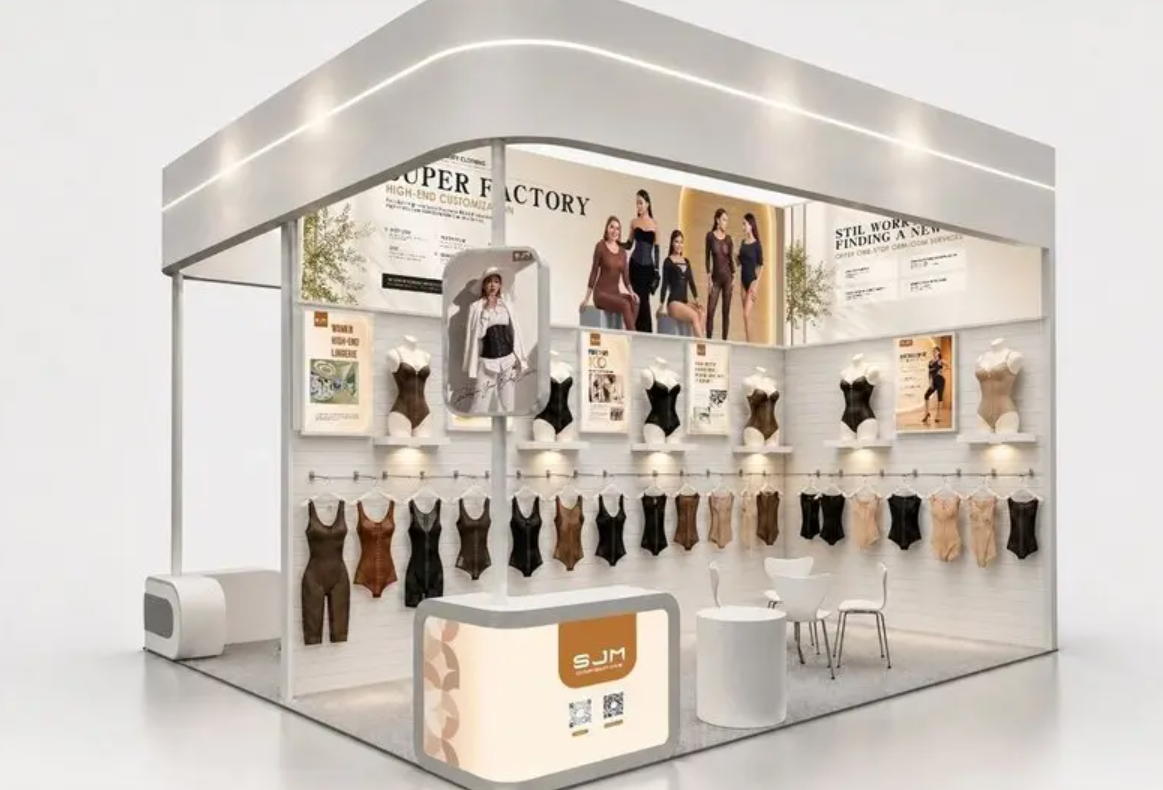
Hongrita’s participation in the FAKUMA exhibition activity reflects a broader change in supplier evaluation: buyers increasingly examine the production system surrounding the tool, including automation, inspection, traceability, and the ability to transfer a validated process into sustained manufacturing.
From Precision Mold Design to an Integrated LSR Molding Solution
Hongrita was founded in Hong Kong in 1988 and initially specialized in mold and hardware-parts processing. The company expanded into plastic molding and secondary processing in Shenzhen in 1993, began developing multi-material and multi-component technology in 2003, and reports achieving a breakthrough in liquid silicone rubber mold and molding technology in 2012. Today, its company profile describes six physical plants and approximately 2,500 employees, with operations in Shenzhen, Zhongshan, and Penang.
This manufacturing footprint supports a service model built around two connected capabilities: precision molds and the integration of molding technology with equipment. In practical terms, the latter may combine patented molds, customized molding machines, rotary systems, self-developed auxiliary equipment, inspection systems, and production-control software. The objective is to define how the part will be made, measured, handled, and repeated, rather than treating tooling as an isolated deliverable.
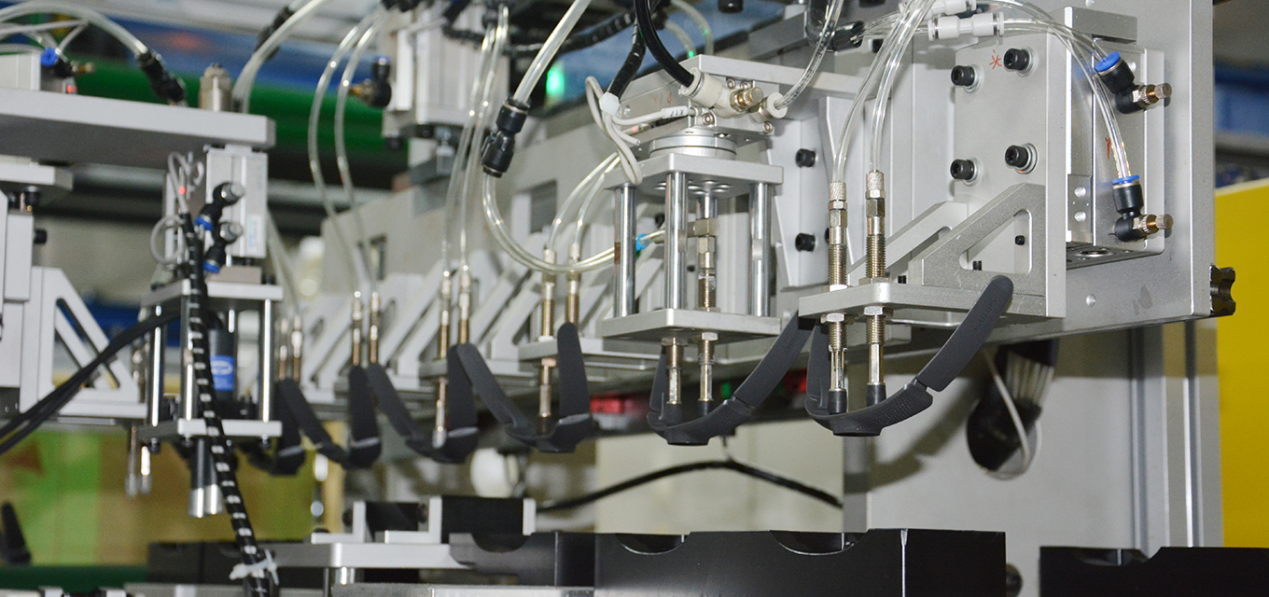
For Custom LSR Molding, that integration can address several common production risks. Precision tooling and controlled parting-line design help limit flash. Balanced filling and thermal management support consistent curing across cavities. Automated demolding reduces manual contact with soft or delicate parts. In-process inspection can identify variation before it becomes a larger batch issue. Hongrita also lists multi-component overmolding, high-cavitation tooling, in-mold assembly, and turnkey precision injection molding among its core competences.
Multi-cavity capability is especially relevant to high-volume programs. More cavities can improve output per cycle, but only when flow, temperature, dimensions, and part release remain consistent from cavity to cavity. The supplier therefore needs to consider mold construction, machine behavior, automation, quality data, and maintenance as one operating system. This is the distinction between delivering a tool and developing an LSR molding solution that is prepared for series production.
Application Experience in Regulated and Performance-Critical Markets
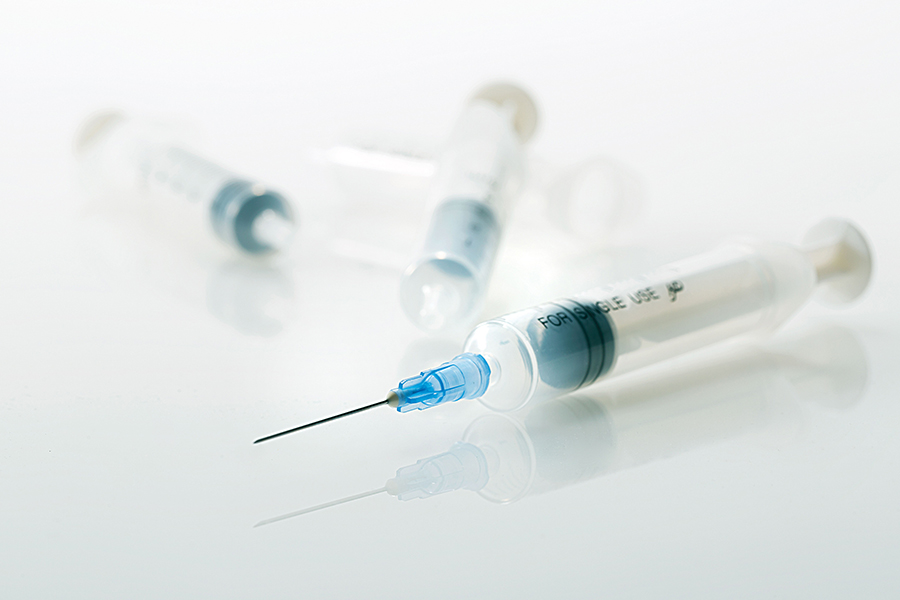
Hongrita’s published application portfolio shows how the same engineering platform is adapted to different product requirements. In medical manufacturing, the company describes work involving LSR molding, two-component silicone molding, in-mold assembly, and automated production. Its contract-manufacturing references include medical consumables, modular assemblies, and finished-device applications such as syringes, blood-test tubes, insulin-related components, blood-glucose monitoring products, nasal masks, and respiratory masks. Design-for-manufacturing review, feasibility assessment, product development, precision molding, and assembly form part of the stated service scope.
For mother-and-baby products, the relevant requirements extend from soft-touch performance and dimensional control to food-contact production conditions and post-curing. Hongrita lists feeding bottles, breast-pump components, baby cups, pacifiers, teethers, and tableware among its application examples. Its disclosed workflow covers raw-material selection, product and mold design, pre-production feasibility analysis, testing, small-batch trials, BPA-free food-grade production and assembly environments, silicone post-curing, and downstream trimming operations.
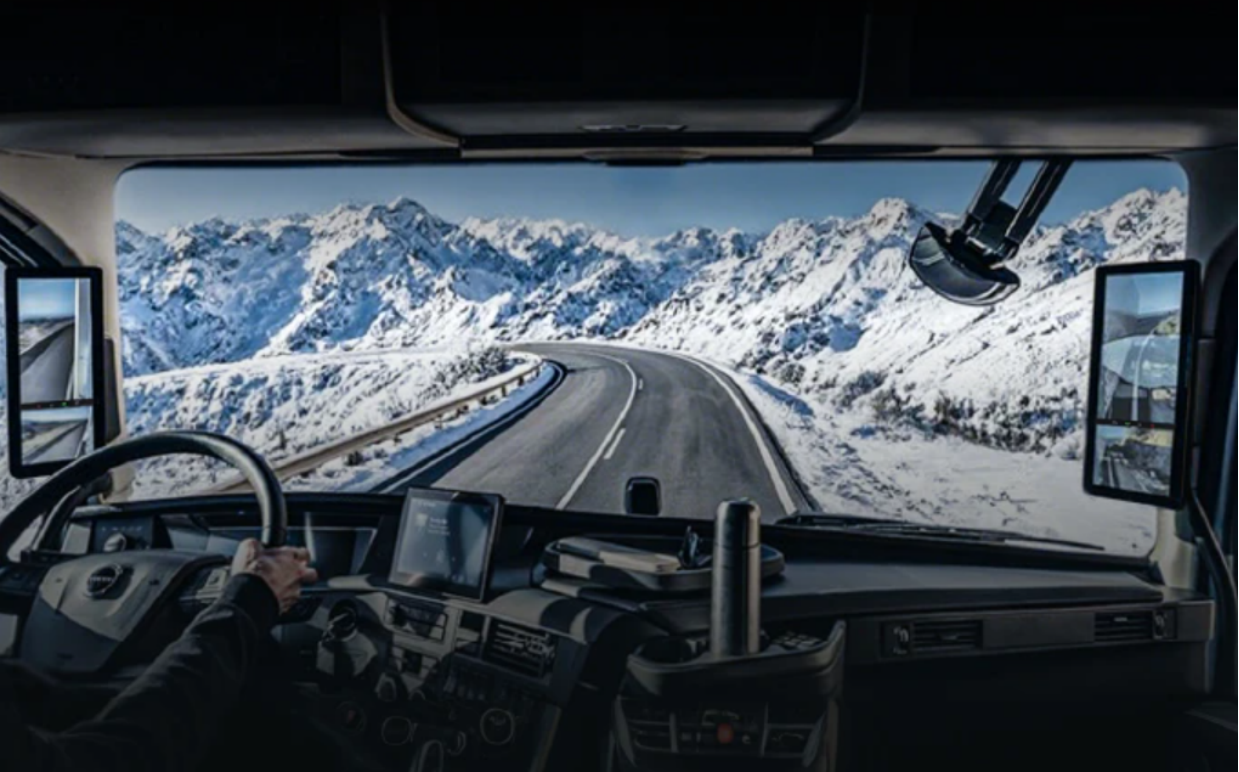
Automotive programs present another set of constraints, including durability, sealing performance, complex geometries, and stable output. Hongrita reports experience with multi-component molding, metal inserts, stack molds, and LSR wire-sealing parts, alongside keyless-entry components, sensors, control buttons, pedals, dashboard parts, and ECU brackets. The company also states that it supports programs for established European luxury brands, Japanese vehicle manufacturers, and the electric-vehicle market. As with many contract manufacturers, individual program details are limited by customer confidentiality, so these references are best understood as disclosed application categories rather than independently documented project case studies.
Quality Systems and Digital Manufacturing as Part of Supplier Evaluation
Production integration has limited value without a management framework for controlling change and documenting results. Hongrita lists ISO 9001, ISO 14001, IATF 16949, ISO 13485, ISO 45001, ISO/IEC 27001, and ISCC PLUS certifications, as well as FDA registration. The relevance of each qualification depends on the product and manufacturing site, but the combined scope indicates experience with quality, environmental, automotive, medical-device, occupational-health, information-security, and material-traceability expectations.
Digital manufacturing also supports earlier supplier involvement. When design data, mold engineering, process parameters, inspection results, and production planning are connected, engineering teams can identify manufacturability issues before tooling is finalized. This can reduce late design revisions and make process transfer more controlled. Hongrita’s Zhongshan operation serves as its R&D, engineering, major-project, and intelligent-manufacturing hub, while Shenzhen focuses on precision components and commercial molds and Penang supports tooling and molding in Southeast Asia.
What the FAKUMA Context Means for Future LSR Programs
The direction visible at FAKUMA suggests that future competitiveness in Custom LSR Molding will depend on repeatable systems rather than individual machines. Customers are likely to place greater weight on automated handling, cavity-level consistency, lower scrap, energy-aware processing, validated multi-material integration, and accessible production data. Medical and baby-care programs will continue to require disciplined material and process control, while automotive electrification will create further demand for seals, protective components, and integrated soft-hard material designs.
Hongrita’s development from precision mold maker to integrated production provider aligns with this shift. Its technical range connects LSR tooling with multi-component molding, high-cavitation design, equipment integration, inspection, and digital management across several production locations. The practical value is not a universal claim that one process fits every product; it is the ability to evaluate the complete manufacturing chain and configure it around a specific part, volume, regulatory context, and quality target.
More information about Hongrita’s capabilities, sectors, qualifications, and manufacturing locations is available at https://www.hongrita.com/.
This article was originally published by IssueWire. Read the original article here.