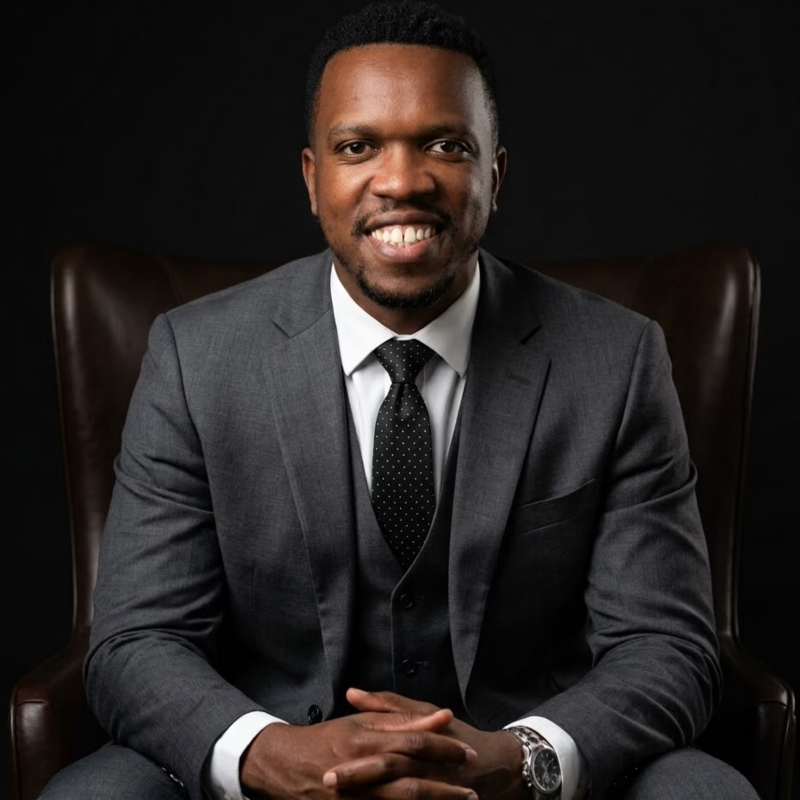
Brazilian marketing strategist Pedro Ivo Alvarenga explains why commercial execution has evolved from an operational function into a strategic business discipline.
(WorldFrontNews Editorial):- Orlando, Florida Nov 16, 2026 (Issuewire.com) – For years, Trade Marketing was largely associated with merchandising, in-store promotions, and retail execution. It was a discipline measured by display compliance, promotional visibility, and sales activation. According to Brazilian marketing strategist Pedro Ivo Alvarenga, however, those traditional responsibilities no longer capture the true importance of Trade Marketing in today’s business environment.
Alvarenga’s own career illustrates this evolution. A graduate in Advertising from Universidade São Marcos, he was with Unilever from 2007 to 2011, where, following a two-year internship, he was promoted to Marketing Analyst on brands including Kibon, Knorr, Arisco and Maizena. He went on to lead Trade Marketing for Grupo Abril’s publishing division — spanning titles such as Editora Abril, Editora Globo, Ediouro and Duetto — before assuming his first senior leadership role at Goiás Verde Alimentos, where he managed marketing, budget, team and sponsorship strategy across São Paulo. He then led national Trade Marketing execution for Groupe SEB, the French multinational behind brands such as Arno, Rochedo, Clock, T-Fal, Panex and Krups, building the company’s annual Trade Marketing calendar and strengthening its retail relationships — an experience that also included his selection for a company-sponsored postgraduate program in Business Management, with an emphasis on Marketing, at ESPM. Since 2020, he has served as Marketing Strategist at Signa Health, extending his strategic marketing expertise into the healthcare sector.
“Execution remains essential, but execution without strategy has limited impact,” says Alvarenga. “The companies that consistently outperform their competitors are those capable of connecting consumer intelligence, commercial planning, retail collaboration, and execution into a single business strategy.”
As consumer expectations evolve and retail becomes increasingly data-driven, the role of Trade Marketing is changing just as rapidly. What was once considered a support function is now becoming a central contributor to sustainable business growth.
A New Consumer Has Changed the Rules
Today’s consumers move naturally between digital and physical environments. They compare prices online before entering a store, consult social media for recommendations, read product reviews, and expect brands to deliver a consistent experience across every touchpoint. For Pedro Ivo Alvarenga, this behavioral transformation has permanently changed the responsibilities of Trade Marketing professionals.
“Consumers no longer separate online from offline,” he explains. “They evaluate brands as a whole. That means Trade Marketing must support a broader commercial strategy rather than concentrating exclusively on retail execution.”
Data Has Become the Foundation of Better Decisions
While technology has dramatically increased the amount of commercial information available to organizations, Pedro Ivo Alvarenga argues that competitive advantage does not come from collecting more data — it comes from interpreting it more effectively.
According to Alvarenga, successful businesses ask different questions. Instead of simply measuring whether a campaign increased sales, they seek to understand whether it strengthened customer loyalty, improved profitability, enhanced retailer relationships, or generated sustainable growth.
“Data should never be the final objective,” Alvarenga says. “Its real value lies in helping leaders make smarter strategic decisions. Information only becomes an advantage when it changes how a company acts.”
Leadership Will Define the Next Generation of Trade Marketing
Although artificial intelligence, automation, and predictive analytics continue to reshape commercial operations, Pedro Ivo Alvarenga believes technology alone will never determine business success. Organizations still depend on leaders capable of translating information into strategy and aligning different business areas around common objectives.
This capacity is one Alvarenga has cultivated since the earliest stage of his career. At 17, he was selected — among just five participants nationwide — for Unilever’s Diversity Program, a rigorous nine-month selection process that included group dynamics, interviews, and evaluation by the company’s HR and marketing professionals, and which awarded him a full scholarship toward his university studies.
“Business transformation doesn’t begin with software,” he says. “It begins with people who understand the market, interpret change, and make better decisions before everyone else.”
Looking Beyond Execution
For Pedro Ivo Alvarenga, the future of Trade Marketing is defined not by larger promotional budgets or more sophisticated merchandising, but by the ability to integrate business strategy with commercial execution. Companies that understand consumers more deeply, collaborate more effectively with retail partners, and use data to guide decision-making will be better positioned to compete.
“Trade Marketing has earned a seat at the strategic table,” Alvarenga concludes. “Organizations that recognize this evolution will not only execute better — they will build stronger brands, stronger partnerships, and stronger businesses.”
This article was originally published by IssueWire. Read the original article here.