An emerging software by BusySeed tries to answer the question marketers are increasingly asking: when ChatGPT recommends a business, whose name comes up?
(WorldFrontNews Editorial):- New York City, New York May 2, 2026 (Issuewire.com) – By April 2026, the question of whether a brand ranks on the first page of Google has become a less complete one. Consumers now route a growing share of product and service questions through ChatGPT, Google’s Gemini, Perplexity, and Anthropic’s Claude, platforms that synthesize information into direct answers and that often cite, or fail to cite, specific companies on signals that diverge from conventional search ranking factors.
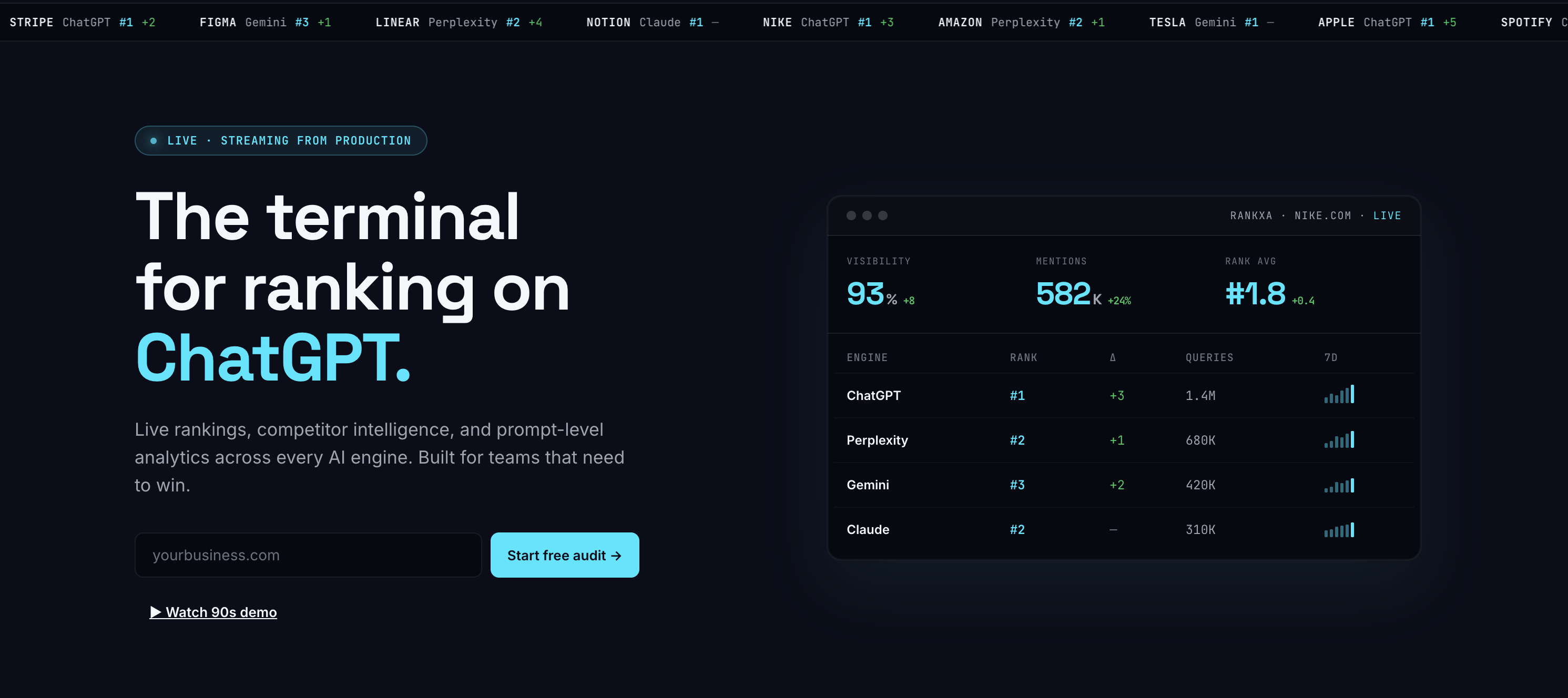
A New York digital marketing agency is betting it can quantify the gap. BusySeed, headquartered on Broadway in Manhattan and serving more than 500 clients across e-commerce, software, financial services, and healthcare, has introduced a software platform called Rankxa that scores how often a business appears in AI-generated answers. Released April 16 as the flagship product in BusySeed’s SeedTech ecosystem, the tool currently tracks more than 572,381 active prompts spanning roughly 227,657 businesses, one of the larger working datasets in a category of analytics that did not exist two years ago.
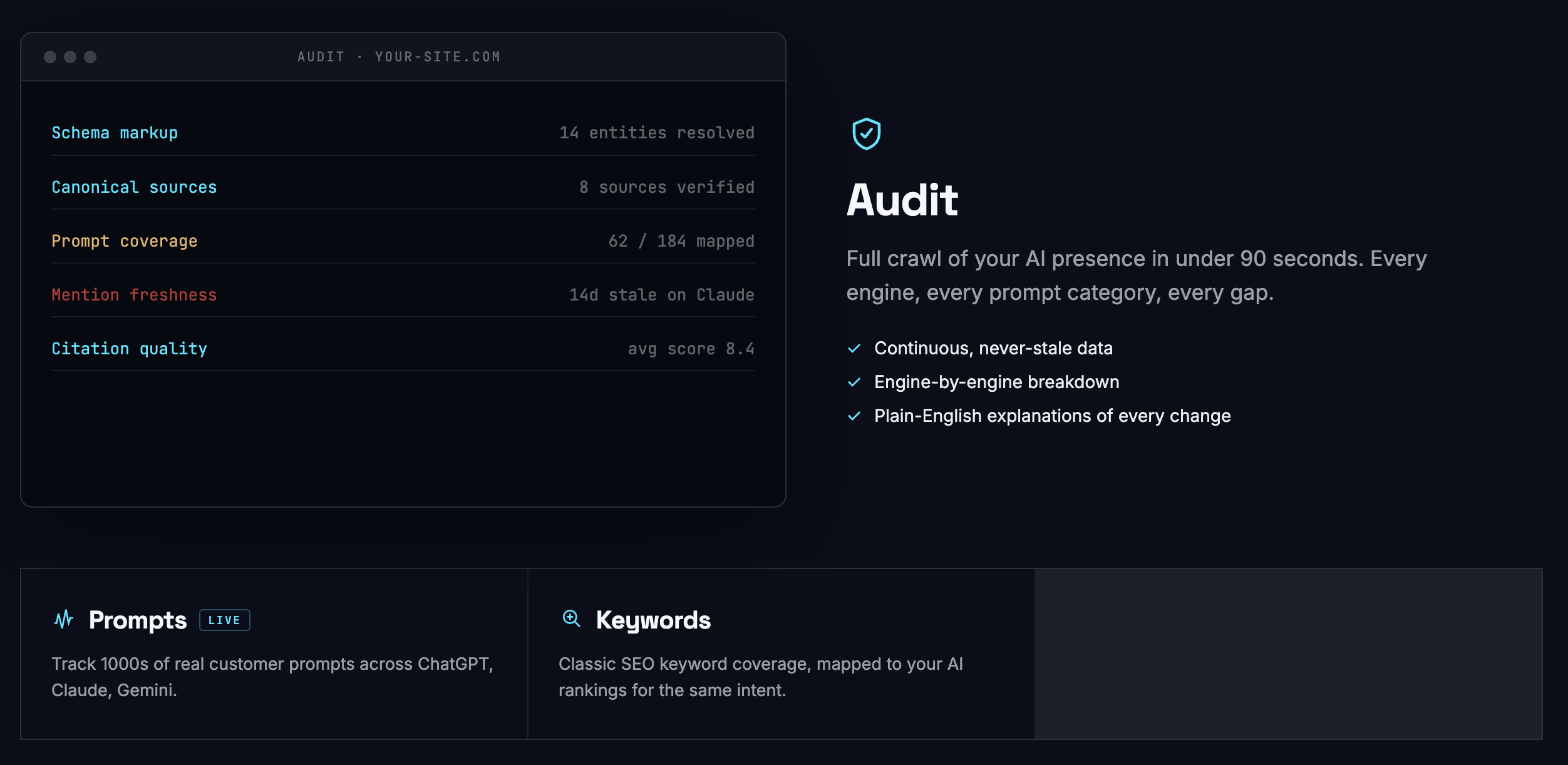
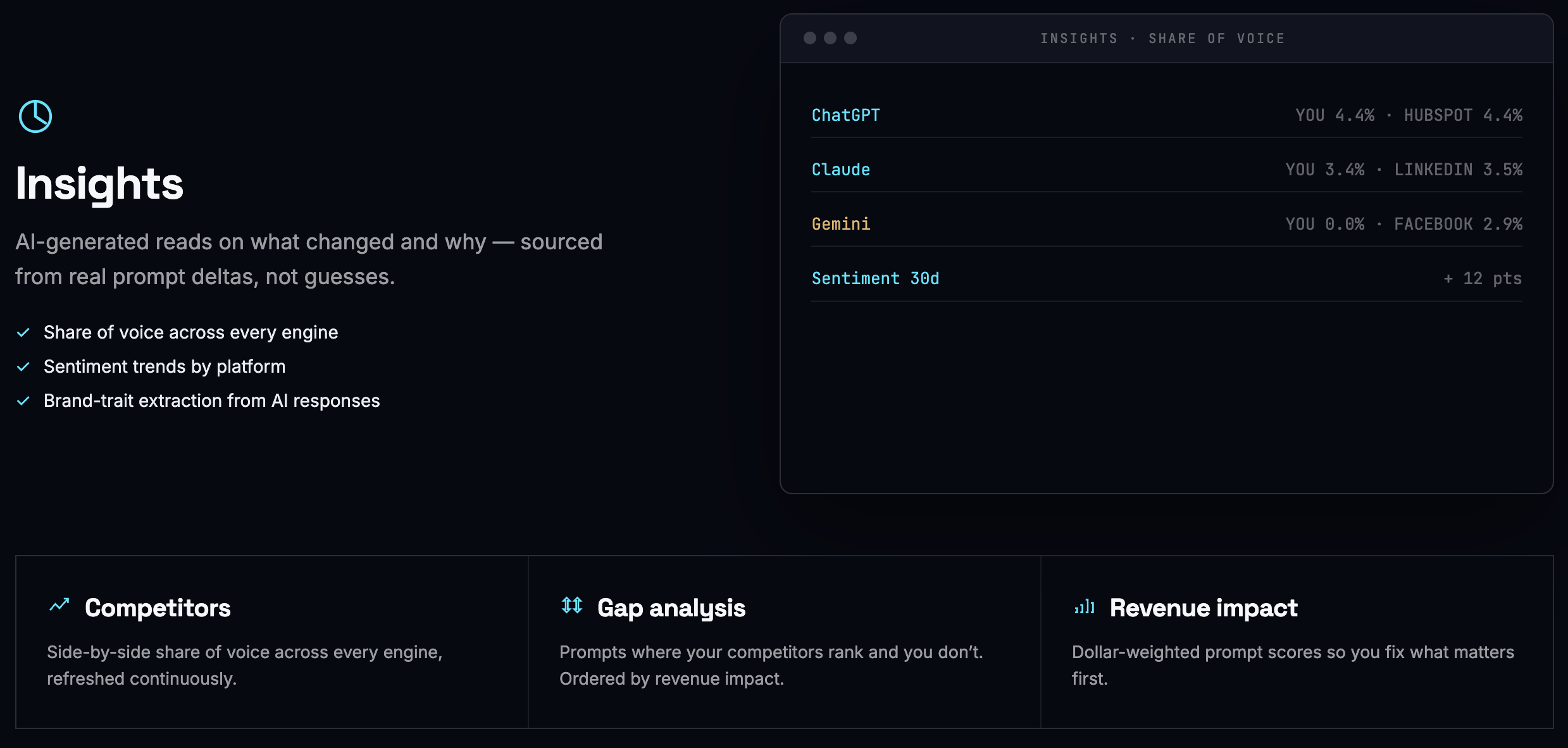
Rankxa is built around what BusySeed calls a Citation Score, a proprietary calculation that estimates the statistical likelihood that a given brand will be referenced or recommended when an AI system answers a relevant query. The framework draws on sentiment signals and authority indicators, factors the company has identified as central to whether large language models cite a particular source. The platform queries multiple models simultaneously and returns a consolidated view of where a brand stands across the generative search landscape, alongside diagnostics on the gaps holding it back.
The premise rests on a structural shift in how consumers find information. According to BusySeed’s own research, close to 90 percent of brands have no meaningful presence within AI-generated responses, a figure the company says points to a measurement gap as much as a marketing one. The discipline that has emerged to address it, sometimes called Generative Engine Optimization, or G.E.O., is also referred to in industry circles as A.I. Optimization. Standardized benchmarks remain in early stages.
“Most companies still measure visibility by where they rank on Google,” Omar Jenblat, CEO and Founder of BusySeed, said. “The harder question now is whether they exist in the answer the AI gives. Rankxa was built to make that question measurable across over 572k prompts and 227k businesses, so brands can see exactly where they stand and what is keeping them out of the conversation.”
Several firms have begun developing competing tools and methodologies for the space, though the industry has yet to settle on shared metrics or definitions. BusySeed positions Rankxa as a complement to traditional search engine optimization rather than a replacement for it; the tool is available to businesses through https://rankxa.com/.