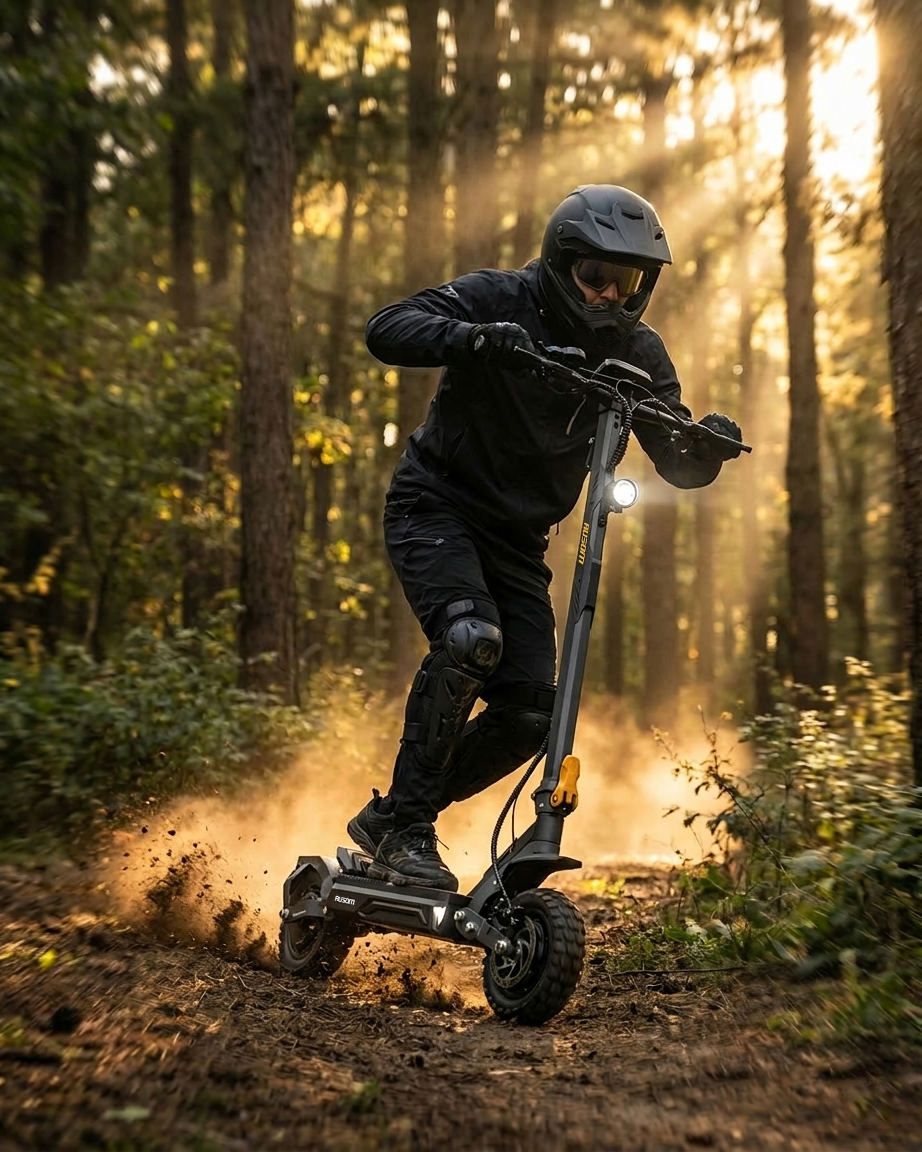
New design prioritizes stability and rider confidence for navigating crowded stadium routes and post-game commutes
(WorldFrontNews Editorial):- Hong Kong, Hong Kong S.A.R. May 13, 2026 (Issuewire.com) – The “last mile” to stadiums can become a stress test for many fans due to congested walkways, detours, temporary road surfaces, and stop-and-go traffic. In those conditions, headline specs often matter less than what riders feel in real life–stable handling, predictable acceleration, and comfort that holds up when the route stops being smooth.
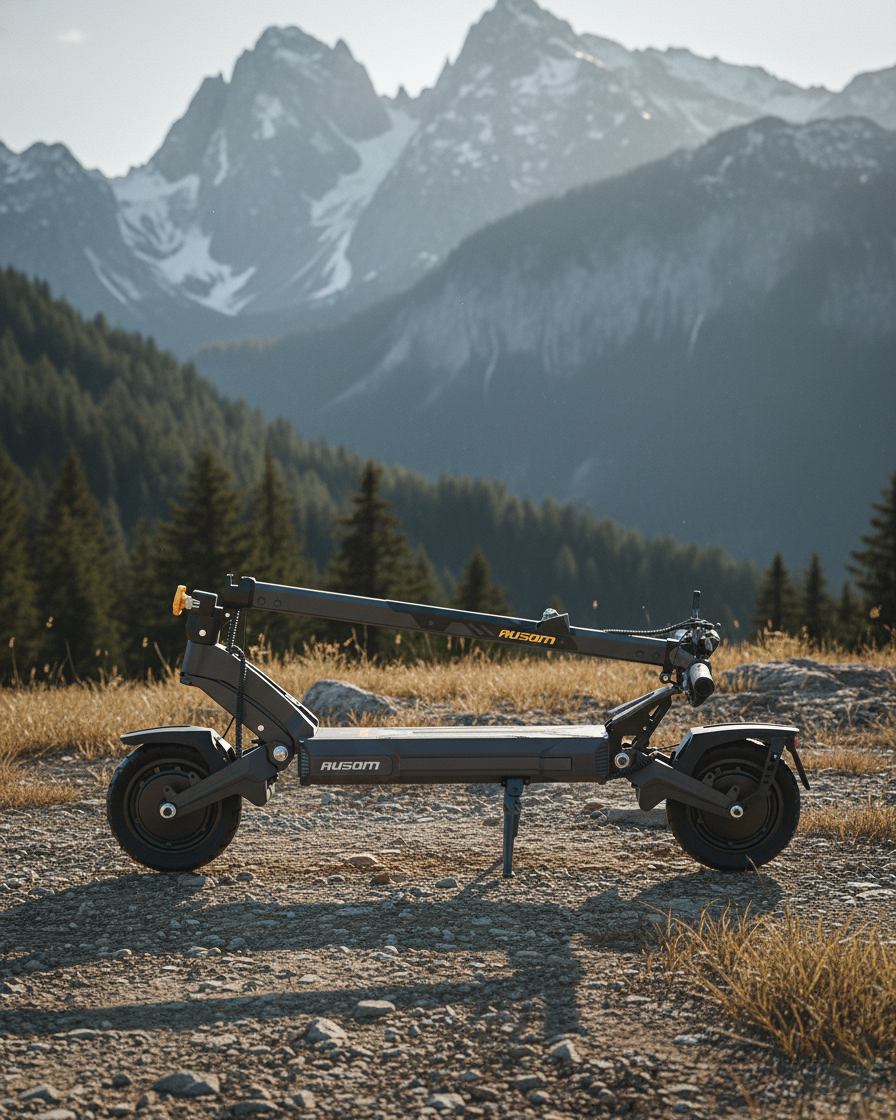
With the 2026 World Cup expected to draw high foot traffic around major U.S. venues, Ausom’s DT2 Pro is a practical upgrade built around ride control and passability, not just speed. The DT2 Pro’s design focuses on how people actually travel on match day: short hops between transit and the venue, frequent restarts in dense flows, and mixed surfaces that can change within a single block.
Why This Matters for 2026: Event Zones Change How People Move
Large U.S. event districts typically push travelers toward multimodal trips–park’and’ride lots, rail or bus connections, and then a walk to the gate. Where local rules allow, scooters can help cover that final gap, especially when time windows are tight and streets are reconfigured.
Event operations also tend to reshape how micromobility works near venues. Common changes include:
- Temporary traffic controls, such as road closures, one’way vehicle flows, and security perimeters
- Designated parking or no’ride areas near dense pedestrian zones
- Higher emphasis on safer speeds and predictable behavior where pedestrians and vehicles share space
The practical takeaway is straightforward: if you plan to use a scooter near a major venue district, you should prioritize control, stability, and smooth re’acceleration more than raw top-line performance numbers.
The Match-Day Reality Check: Where Typical E’Scooters Struggle Surfaces aren’t “commuter clean”
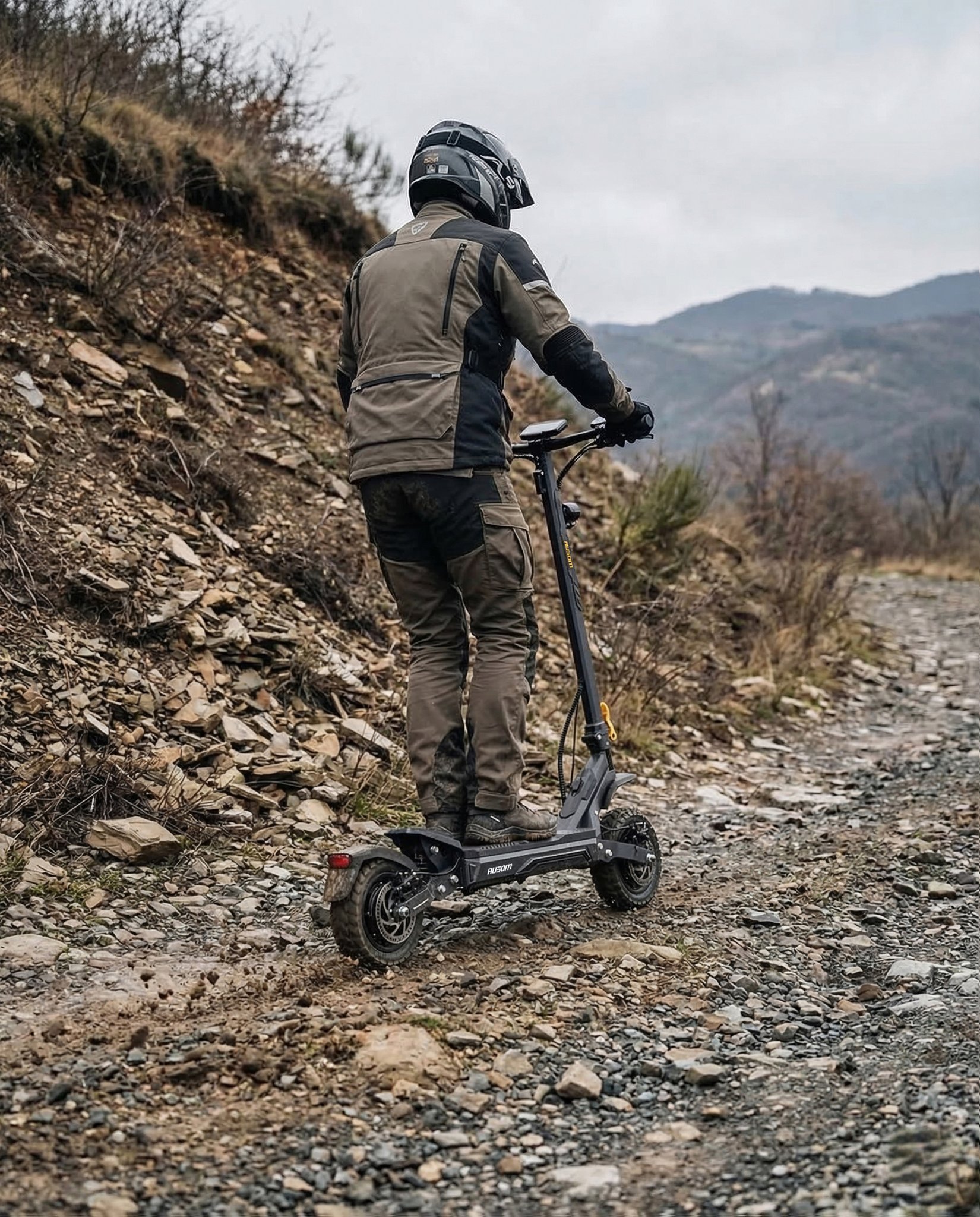
Match-day routes often include surfaces that are challenging on small wheels: cable ramps, steel plates, seams, patched asphalt, speed bumps, and abrupt transitions. Those are the moments when scooters can lose traction during takeoff, especially when starting from a stop on a slight incline or crossing a slick patch.
Crowd dynamics change how a scooter feels
Near venues, riders often shift into low-speed maneuvering, including frequent braking, tight turns, balancing at slow speeds, and sudden stops. Under those constraints, handling confidence becomes the difference between a calm last mile and a tense one.
Stop-and-go riding also makes launch behavior a key part of safety perception. Many riders want less surprise from the first second of acceleration–particularly when people are nearby, and the surface is unpredictable.
What this implies for choosing electric scooters
For event travel, the most useful priorities are typically:
- Ride stability and suspension performance
- Tire grip and predictable tracking on mixed pavement
- Consistent braking and steering response
- Controllable start/launch behavior for repeated restarts and ramps
In other words, comfort and control often outperform “fast on paper” when the route looks like a patchwork.
Real-World Test: Why the Ausom DT2 Pro Fits the Match-Day Use Case
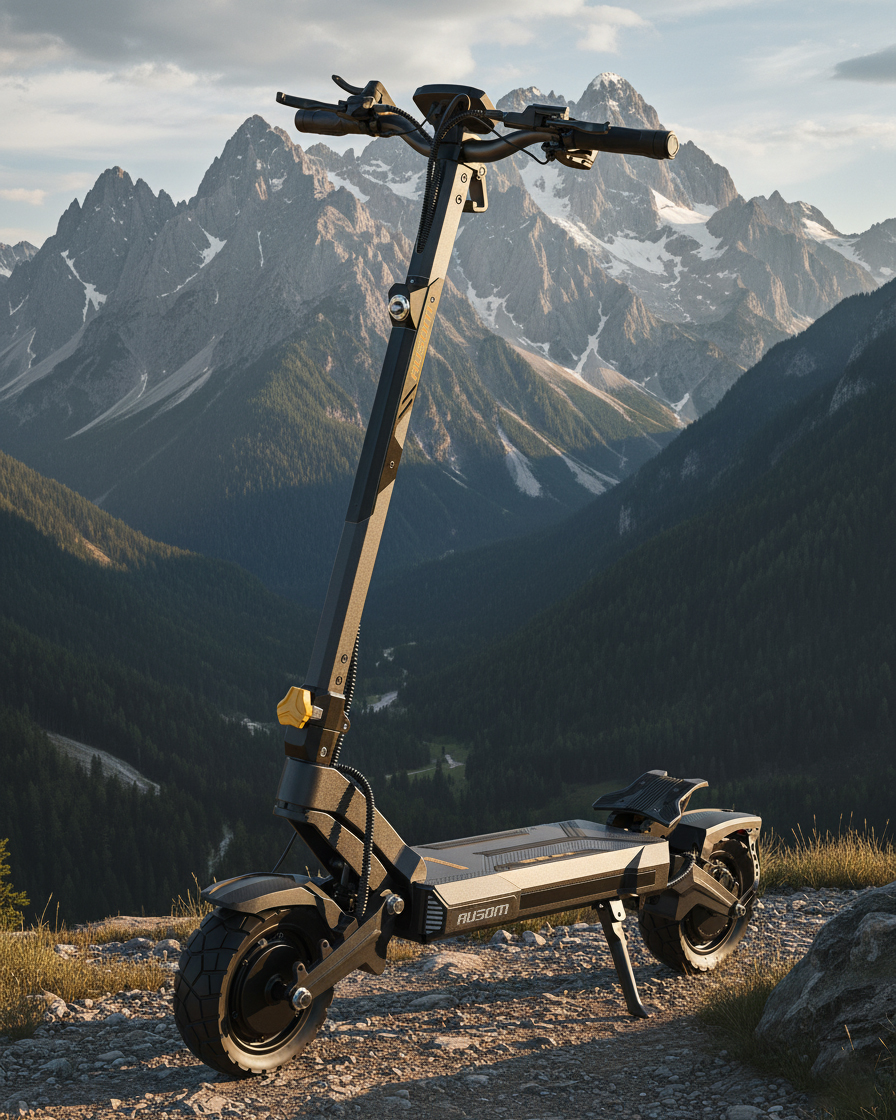
The Ausom DT2 Pro is a dual-motor electric scooter designed to reduce fatigue and instability on rougher routes and crowded approaches. It’s built for real-world variability–routes that include detours, uneven pavement, and constant speed changes.
A simple match-day mapping looks like this:
- Uneven surfaces: Suspension, tires, and traction consistency are necessary
- Stop-and-go flows: Chassis stability, predictable control, customizable re’acceleration, and smooth, responsive braking to navigate
- Detours/longer routes: Comfort consistency over time
Ausom Technology Behind the DT2 ProShocFree Suspension System
The ShocFree Suspension System uses a front-and-rear swingarm design with adjustable springs and aerospace-grade damping materials to manage impacts through a more controlled motion path. The tuning was validated across multiple rider loads and surface types to balance comfort and composure at speed while helping reduce the sharp horizontal shock that can occur when a tire meets a pothole edge.
Better stability over ramps, seams, and broken pavement can help keep the deck more level and the rider’s posture more consistent–reducing fatigue and supporting confident control when surfaces change without warning.
10×3.0 All’Terrain Tubeless Tires
The DT2 Pro uses 10×3.0-inch tubeless tires designed to be puncture-resistant, with a wider footprint that increases contact area for steadier tracking. Tubeless construction can support more continuous deformation for shock absorption and can reduce the risk of sudden pressure loss. An all-terrain tread pattern is intended to support grip across mixed pavement and looser ground such as dirt or sand.
A larger, steadier contact patch can help the front wheel stay more consistently planted when crossing seams, potholes, and occasional wet patches–reducing deflection and bounce while improving overall stability and rider confidence.
Chassis Coordination & Geometry Tuning
The DT2 Pro optimizes steering axis angles, trail, and rider geometry to improve straight-line stability, self-centering steering feel, and resistance to high-speed wobble.
Predictable steering can make it easier to perform smooth corrections in tight spaces and maintain a settled ride on longer detours–especially when pace and surface quality change frequently.
Dual-Drive Power System with 5-Level Start Strength Adjustment
A coordinated dual-drive output is designed to deliver more consistent drive force during starts and low-speed re’acceleration. The DT2 Pro also includes five launch intensity levels, allowing riders to tune the takeoff feel.
Adjustable launch strength can help riders choose smoother starts in stop’and’go environments while still maintaining traction and momentum on ramps or mixed surfaces where sudden torque can feel unpredictable.
Enhanced Braking System: E’ABS + Dual Hydraulic Disc Brakes + Smart Power’Cut Braking
The DT2 Pro combines adjustable E’ABS, dual hydraulic disc brakes, and an instant motor power cut on the brake to support smoother deceleration and consistent braking response.
In dense, variable conditions, braking that feels consistent can improve predictability on changing surfaces and support precise speed control–helping reduce abrupt braking sensations during repeated slowdowns.
“Before You Ride” Checklist for Venue Days
Fans planning to use an e’scooter near event districts should treat match day like a special operating environment–not a normal commute.
- Check local rules: Confirm where scooters are allowed, posted speed limits, and any parking requirements.
- Plan for event zones: Expect no’ride areas and “walk-your-scooter” segments near dense pedestrian corridors.
- Route strategy: Favor smoother corridors, avoid surprise transitions, and budget extra time for detours.
- Safety basics: Turn lights on, test brakes before you roll, check tire pressure, wear a helmet if you choose to, and keep speeds appropriate for conditions.
As always, riders should follow local guidance and operate responsibly, especially around pedestrians.
The Bigger Trend: Micromobility Shifs Toward Reliability
Across U.S. cities, micromobility is increasingly judged less as a novelty and more as a reliability tool–particularly during high-density event days when timing, comfort, and predictable handling matter. Devices designed around comfort plus control may align more closely with how people actually travel near venues: short segments, mixed surfaces, and frequent stops.
Stability-Focused Design to Target Match-Day Travel Stress
If your use case includes venue districts, temporary traffic patterns, and event congestion, the most meaningful performance metric is often ride stability under real-world conditions. Ausom’s DT2 Pro is positioned around that idea: suspension that manages surface transitions, tires that support steadier tracking, controllable starts for repeated restarts, and braking designed for consistent response.
This article was originally published by IssueWire. Read the original article here.