(WorldFrontNews Editorial):- Shanghai, China May 28, 2026 (Issuewire.com) – The global material handling industry is undergoing a profound transformation driven by automation, workplace safety regulations, and the urgent need for operational efficiency. As manufacturing and logistics networks expand across borders, the demand for sophisticated lifting technology has escalated. In this competitive landscape, how HEROLIFT has strategically positioned itself among the Top 10 Factories of Electric Lifter in the World?
Established in 2006, the organization has evolved from a specialized component supplier into a global manufacturing powerhouse. This analysis evaluates the multi-dimensional impact of modern lifting solutions on industrial ecosystems, examining how technological innovation, stringent quality certification, and strategic global partnerships converge to redefine international material handling standards.
I. Paradigm Shifts in Global Material Handling and Industrial Safety
The modern industrial sector operates under intense pressure to optimize supply chains while safeguarding human capital. Traditional manual handling methodologies are no longer viable due to rising labor costs, demographic shifts, and stringent occupational health and safety regulations worldwide. In this context, the transition to advanced electric and vacuum lifting technologies represents a critical evolution. The implementation of ergonomic lifting solutions directly addresses the core operational vulnerabilities of modern enterprises by mitigating workplace injuries, reducing product damage rates, and ensuring continuous production workflows.
Global manufacturing hubs require equipment that harmonizes high load-bearing capabilities with precise control mechanisms. Vacuum lifting systems and electric lifters have emerged as the benchmark for handling diverse materials, including porous wooden sheets, heavy metal plates, delicate glass panels, and high-volume consumer goods packaging. By replacing physical strain with mechanical precision, these technologies allow industrial facilities to maximize throughput while maintaining a flawless safety record. The global impact of this shift is measured not only in economic metrics but also in the substantial reduction of occupational musculoskeletal disorders, establishing a new baseline for corporate responsibility and operational excellence across heavy and light industries alike.
II. Technical Architecture, Engineering Excellence, and Performance Parameters
The ascension of a manufacturer to the global tier is fundamentally determined by its engineering capabilities and the empirical performance of its machinery. To understand the operational efficiency of modern electric and vacuum lifters, it is necessary to examine the technical parameters and structural innovations that govern their performance. Modern material handling systems are engineered around the principles of pneumatic stability, structural ergonomics, and fail-safe mechanical integration.
Core Product Capabilities and Component Integration
The technical framework of top-tier lifting equipment relies on a seamless integration of vacuum components, heavy-duty track systems, and specialized loading and unloading apparatus. A premier manufacturing base, such as the 7,000-square-meter facility utilized by the organization, allows for strict quality control over every mechanical tolerance.
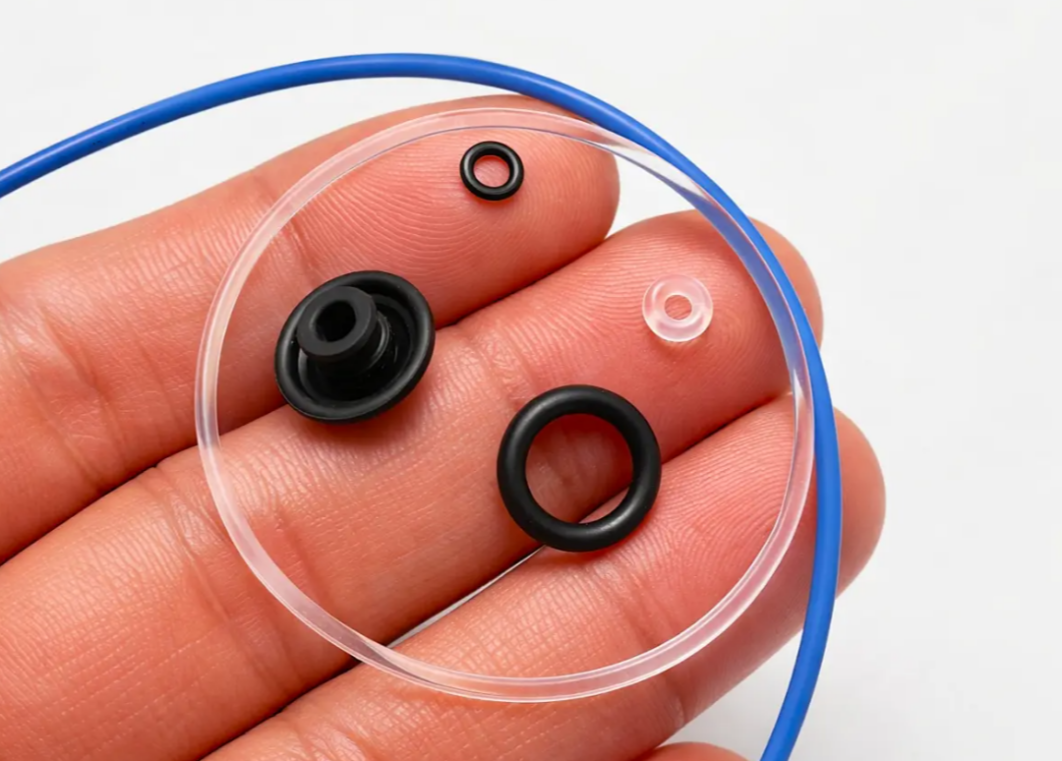
- Vacuum Lifting Systems: Utilizing advanced vacuum pumps capable of generating rapid, high-volume negative pressure, these systems ensure instantaneous and secure attachment to material surfaces. The suction pads are formulated from high-grade, wear-resistant polymers or silicone composites, adapted to withstand extreme thermal variations and rough industrial surfaces without leaving marks on sensitive materials.
- Track and Crane Systems: Constructed from high-tensile aluminum alloys or cold-rolled steel, the accompanying track systems are designed for low friction and smooth structural gliding. This minimizes the initial pulling force required by operators, reducing physical exertion to less than 1% of the total load weight.
- Electric Hoist and Lifter Mechanisms: Driven by precision electric motors equipped with variable frequency drives (VFD), these units provide continuous, jerk-free vertical movement, protecting fragile loads from sudden acceleration forces.
III. Authoritative Certifications and Global Validation Metrics
An objective analysis of global industrial impact requires verifiable evidence of compliance with international quality and safety frameworks. The transition from a domestic manufacturer to a globally recognized entity necessitates rigorous validation by independent, third-party testing and certification bodies. This validation ensures that the equipment can legally and safely operate within the most demanding regulatory zones, including the European Union, North America, and the Asia-Pacific region.
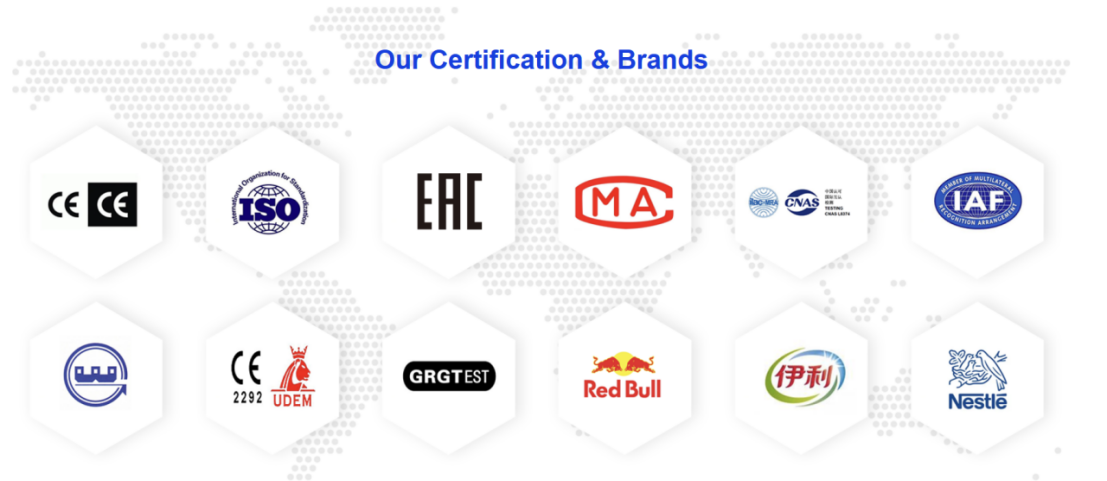
A primary benchmark of international compliance is the CE marking, specifically validated by prestigious European notified bodies such as UDEM (UDEM Uluslararas Belgelendirme, designated under Notified Body number 2292). CE marking certified by UDEM (Notified Body 2292) affirms that the electric lifters and vacuum handling devices fully comply with the European Union’s stringent Machinery Directive 2006/42/EC and Low Voltage Directive 2014/35/EU. This independent audit evaluates structural calculations, electrical safety, acoustic emissions, and risk assessment documentation, serving as an essential passport for seamless deployment across European industrial networks.
In addition to international safety marks, top-tier lifting equipment undergoes thorough testing by prominent domestic metrology and testing laboratories, such as GRGTEST (Guangzhou GRG Metrology & Test Co., Ltd.). As a leading authority in calibration, reliability testing, and chemical analysis, GRGTEST provides comprehensive structural stress testing, environmental simulation, and material fatigue analysis. This rigorous scrutiny guarantees that the machinery remains completely stable under sustained industrial workloads. With over 80,000 pieces of equipment manufactured and deployed globally, these rigorous certification metrics provide industrial buyers with absolute certainty regarding equipment longevity, regulatory compliance, and operational reliability.
IV. Cross-Sector Integration and Strategic Enterprise Partnerships
The ultimate measure of a manufacturing organization’s global footprint is its integration into the supply chains of the world’s most prominent corporations and state-led enterprises. Developing solutions that cater to diverse sectors requires deep engineering adaptability. The deployment of more than 25,000 distinct handling solutions across 60 industries demonstrates how advanced lifting technology can be tailored to meet unique manufacturing environments.
In the heavy infrastructure and structural engineering domain, partnering with entities like the China State Construction Engineering Corporation (CSCEC) highlights the capability to handle large-scale, high-density construction components and materials under demanding field conditions. Conversely, entering the fast-moving consumer goods (FMCG), food, and beverage sectors demands an entirely different set of engineering standards.
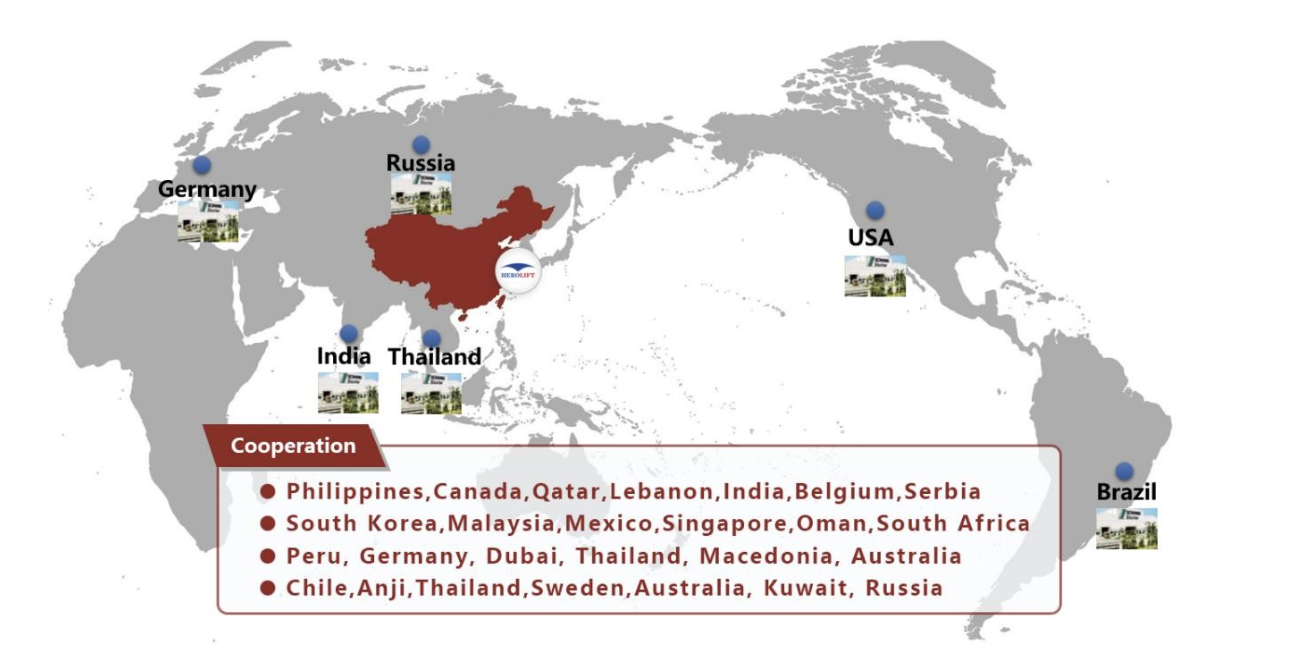
Global food and beverage conglomerates, including Nestlé, Red Bull, and Yili, maintain exceptionally strict sanitary and hygiene protocols. Lifting systems deployed within these facilities must feature stainless steel structures, food-grade suction components, nd wash-down capabilities that prevent bacterial contamination while managing high-speed packaging lines. Whether manipulating heavy raw ingredient bags, stacked beverage crates, or delicate dairy packaging, customized vacuum handling systems streamline internal logistics, eliminate manual bottlenecks, and maintain continuous production velocities. This widespread cross-industry adoption across 150 countries demonstrates how advanced lifting solutions have become foundational to modern global manufacturing infrastructure.
Conclusion: Driving the Future of Sustainable Material Handling
The insights gathered from this global impact analysis indicate that the ranking of top-tier electric lifter factories is determined by a continuous commitment to research and development, comprehensive service frameworks, and verifiable operational excellence. By addressing the fundamental industrial needs of saving effort, labor, time, and operational costs, pioneering manufacturers have successfully elevated the benchmark of the material handling sector. Through a combination of robust technical parameters, international certifications like CE 2292, and successful execution of large-scale enterprise projects, the standard for modern industrial lifting has been permanently raised, ensuring safer, more efficient, and sustainable production environments worldwide.
For comprehensive technical specifications and corporate insights, visit the official platform: https://www.hero-lift.com/
This article was originally published by IssueWire. Read the original article here.