(WorldFrontNews Editorial):- Shenzhen, Guangdong Jun 24, 2026 (Issuewire.com) – LiSOCl2 batteries in large quantities carry significant technical and business risks. Requirements can be strict, deployment environments can be harsh, and a bad factory decision – whether through field failures or certification rejections – could cost more than a price advantage. The IoT, utility meters, medical devices, and industrial equipment sectors treat factory selection more as a structured evaluation than a transactional buy. Finding a reliable Professional LiSOCl2 Battery Pack Factory requires more than a product catalogue. It requires a systematic review of ten factory-level features that distinguish long-term manufacturers from short-term suppliers.
- Automated production infrastructure with proven output capacity
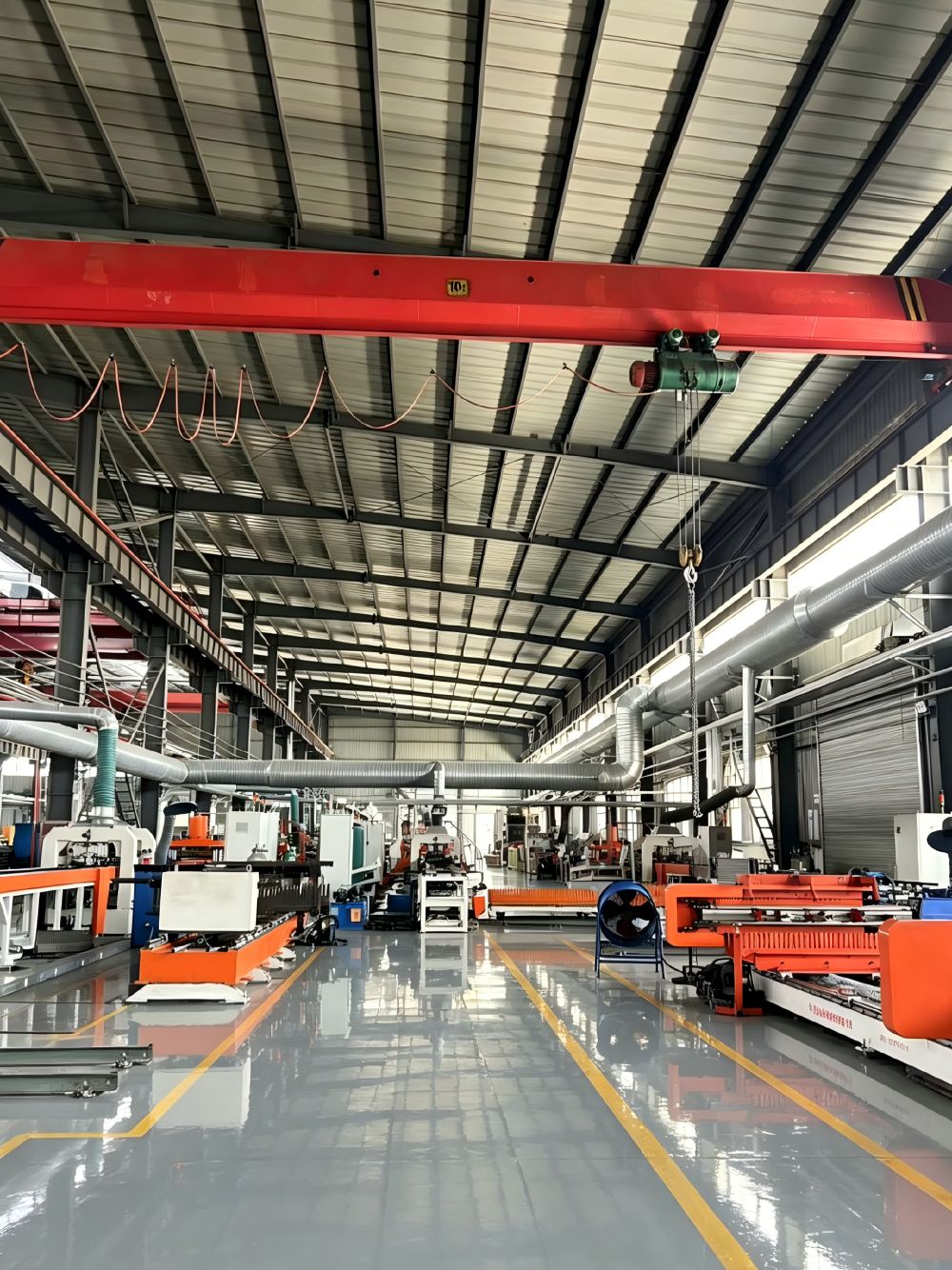
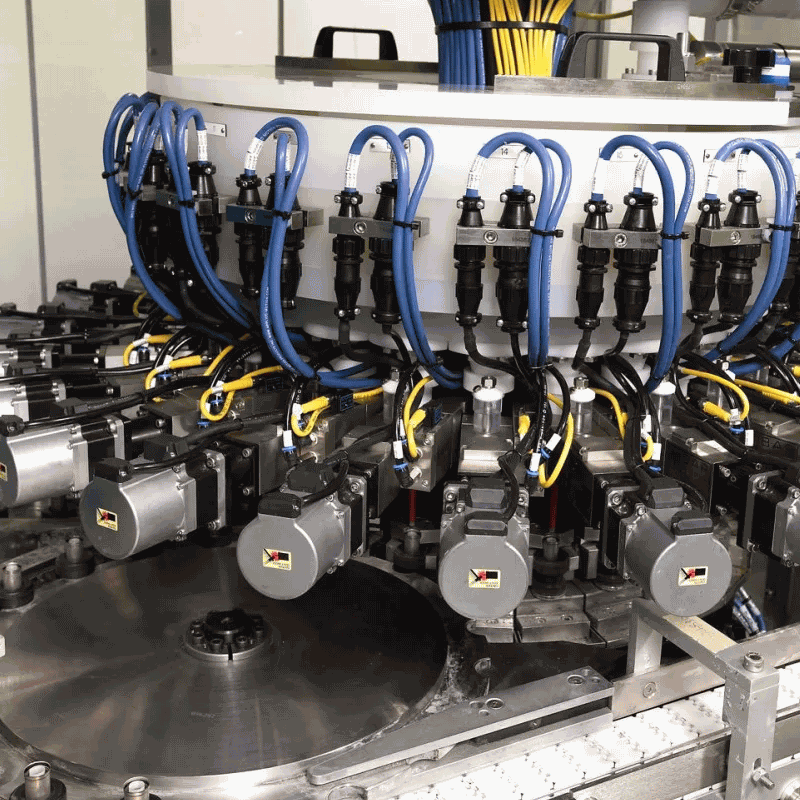
The scale of the manufacturing facility is important, but the consistency of output across batches is more important. A professionally managed factory uses automated production lines to reduce human variability when high-volume orders are placed. PKCell (Shenzhen Pkcell Battery Co., Ltd.), operates 20 sets high-speed automated production lines in a 28,000 square meter facility, which has an annual output capacity of more than 1 billion units. The company has been in continuous production since 2006, which is over 20 years of primary battery production. It currently serves more 10,000 B2B customers across 150+ countries. This level of infrastructure indicates that the company can fulfill bulk orders reliably, without compromising electrochemical consistency or dimensional tolerance from one production run onwards–a crucial factor when devices are shipped to regulated markets.
- In-House Engineering Team With Pack-Level Design Capability
Cell manufacturing and battery packs engineering are two distinct disciplines. A factory that is worth retaining long-term has an internal R&D department capable of designing and assembling complete packs, not just standard cells. PKCell offers a Computer-Aided Design service to OEM clients, where engineers can specify voltage, capacity and form factor before production begins. This reduces development times, reduces revisions and costs, and ensures that the final solution reflects client requirements, rather than adapting it to available battery formats.
- Dual-Construction LiSOCl2 Product Lines for Different Discharge Profiles
LiSOCl2 battery constructions are divided into two types: spiral-wound (power type) and bobbin (energy type). Each type is designed to meet the needs of a different application. Bobbin-type batteries provide stable, long-lasting energy for low-drain products such as utility meters or remote GPS trackers. Spiral-wound cell can handle high-pulse-current loads required by security alarms and industrial data loggers. They also work well with tracking units that have frequent transmission bursts. PKCell, for example, offers both construction types through its ER Energy series and ER Power Series. This allows buyers to source the correct cell architecture from a single manufacturer and reduces procurement complexity and quality control burden.
- A Comprehensive, Market-Specific Certification Portfolio
International certifications are designed to address the needs of different markets and regulatory structures. CE addresses European requirements, UL covers North American safety standards. KC is applicable to South Korea and BIS for India. UN38.3 governs the safety of lithium batteries on all shipping routes. The buyer is responsible for complying with the requirements of a factory that does not have the relevant certifications to export to the key destinations. Shenzhen Pkcell Battery Co., Ltd. has ISO9001, ISO14001, CE, UL, RoHS, KC, BIS, MSDS, UN38.3 and UN38.3 certificates. This breadth reduces friction and costs for clients who supply multiple international markets.
- Customization Depth that Addresses Real Engineering Challenges
True customization goes beyond color variations or label changes. A professional factory can support full pack adaptation, including voltage configurations, capacity adjustment, wire lead selections, connector specifications, enclosure design, and connector specifications. PKCell customizes products through a structured engineering input process. Clients provide parameters such as working current consumption and pulse load profile. They also submit operating voltage ranges, expected service life, temperature envelopes, and mechanical space constraints. The engineering team builds directly from these inputs. This workflow ensures that the delivered pack integrates seamlessly with the target device, rather than requiring that the product design accommodate battery limitations.
- Validated Performance Across Extreme Operating Conditions
LiSOCl2 is a chemistry that can operate at a wide range of temperatures, but the reliability of the pack depends on the entire assembly and not just the cell. Packs used in oceanographic instruments or cold-chain monitoring equipment must maintain a stable output at temperatures ranging from sub-zero to high ambient temperatures. PKCell’s LiSOCl2 battery supports temperature ranges between -55 degrees Celsius and +85 degrees Celsius. The hermetically sealed construction resists electrolyte leaking during pressure fluctuations and temperature cycles. Buyers who are evaluating packs for deployment at a distance should not rely solely on chemistry ratings, but also request test documentation.
- A Multi-Stage Quality Control Process With Clear Organizational Accountability
It is easy to make claims about quality, but difficult to verify them from afar. What gives them weight is the structure behind them. A credible QC system includes incoming material inspections, in-process manufacturing control, final pack testing and batch-level tracability. PKCell has a dedicated team of quality management personnel of about 50 people within its broader 400-person workforce, which operates under ISO 9001:2015. The quality control process spans over 100 internal processes, from raw material inspection to final electrical verification. AI-assisted inspection systems ensure 100% coverage of the line, while batch-level tracing allows any unit to be tracked back to its original materials. This system has measurable results: a defect-rate below 0.01%, and a rate of leakage of less than one per 10,000 units. The organizational separation between quality oversight and production execution signals process discipline–particularly relevant when downstream products operate in regulated sectors where field failures carry legal or safety consequences.
- Cross-Industry Experience Documented by Case Studies
Published case studies are a good way to verify sector-specific expertise. Procurement teams can gain valuable insight from factories who have deployed solutions within environments similar to theirs. PKCell published case studies on cold chain monitoring, smart parking sensors and underwater scanning systems. They also covered IoT innovation, grain monitoring equipment and smart utility meters. This portfolio of battery solutions from across industries shows the ability to engineer them around real-world deployment conditions, rather than just calibrating to laboratory performance benchmarks.
- Transparent Lead Time Management And Flexible Moq Options
The minimum order flexibility is a reflection of a factory’s operating range. A manufacturer who can only accommodate large-volume production runs will not be able to support early commercial launches or product validation phases. PKCell offers flexible order minimums with a delivery framework that is tailored to each project phase. Standard products are available with same-day delivery for items in stock. The typical timeline for custom battery solutions is as follows: Initial technical solution delivered in 1 business day; Engineering samples ready in 7 days; and mass production complete within 20 days. Small-batch prototyping orders are usually completed in 7 days. Larger production runs are usually completed within 20 days. The company also promises to respond to all inquiries within 3 minutes, during business hours. This is backed up by online technical support available 7×24. This responsiveness and transparency in scheduling allows development teams at every stage to align battery supply with product milestones, from design validation through commercial launch.
- Post-Sale Structure and Long-Term Accounting
Warranty terms and after-sale responsiveness often receive less scrutiny than they deserve during supplier evaluation–typically until a field issue surfaces. PKCell offers warranty periods that range from one to three year depending on the product type. This is backed up by product liability insurance, and 24/7 online support. The company has a service and distribution network that reaches more than 150 countries. These post-sale systems give procurement teams an escalation pathway and reduce the risk of unresolved disputes over quality that could affect downstream product reputation or customer relationships.
Conclusion
Comparing price sheets is not enough to choose a LiSOCl2 factory for bulk purchases. The ten criteria above provide a practical framework to assess factory readiness, including production scale, engineering capabilities, certification depth, experience with application, and accountability after the sale. PKCell (Shenzhen Pkcell Battery Co., Ltd.), addresses each dimension by providing a verifiable manufacturing infrastructure, multi-market coverage, a documented case study library, as well as an engineering-led customisation process based on client-specific parameters. A 20-year track record in primary lithium battery production provides a solid and verifiable reference for procurement and product development teams looking to build supply relationships with IoT, Industrial, or Utility sectors.
For further details on products, customization services, and technical documentation, visit https://www.pkcellpower.com/.
Media Contact
Shenzhen Pkcell Battery Co., Ltd.
902, Tower B, Hongrongyuan North Station Center, North Station Community, Minzhi Street, Longhua District, Shenzhen, China
This article was originally published by IssueWire. Read the original article here.