A new report by Indonesian conservation organisation Yayasan Inisiasi Alam Rehabilitasi Indonesia (YIARI), in partnership with UK-based charity International Animal Rescue.
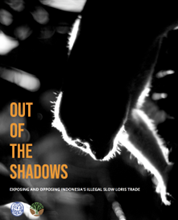
(WorldFrontNews Editorial):- Uckfield, East Sussex May 15, 2026 (Issuewire.com) – The report highlights the scale of illegal online trading of slow lorises and the growing public awareness helping to reduce demand for the endangered species.Today, on Endangered Species Day (15th May), YIARI’s new report ‘Out of the Shadows: Exposing and Opposing Indonesia’s Illegal Slow Loris Trade’; presents findings from over a decade of monitoring, showing how wildlife trafficking can be reduced when the right strategy is in place.
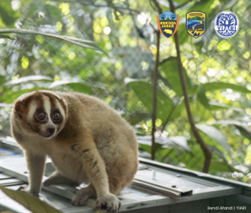
Slow lorises are among the most trafficked primates in Southeast Asia, driven in part by their “cute” appearance and widespread exposure on social media. Despite legal protection, they continue to be targeted for the illegal pet trade. However, in Indonesia, thanks to the efforts of YIARI in partnership with government organizations, the trade in slow lorises has drastically reduced, an important achievement to be celebrated.
YIARI is a grass-root organization based in Indonesia that has specialised for over 15 years in the rescue and rehabilitation efforts of slow lorises. Over 1,300 slow lorises have been rescued by YIARI in collaboration with the Ministry of Forestry. Through a holistic approach tackling the illegal trade in this species, the number of rescued slow lorises has now drastically dropped.
According to the report, between 2012 and 2022, Researchers from YIARI were able to identify activity across at least 469 Facebook groups linked to slow loris trade, recording more than 5,000 posts and a minimum of 4,100 slow lorises offered for sale online. At the same time, surveys of physical wildlife markets recorded over 1,300 individuals.
However, through concerted efforts by conservationists, law enforcement and policymakers leading to a substantial increase in law enforcement action and more wildlife crime cases being brought to court and higher conviction rates, significant progress was achieved with trade declining sharply. 111 cases were documented, resulting in the confiscation of 1,271 slow lorises. Approximately 78% of cases led to arrests, and over half resulted in successful convictions.
The study also documents a major shift in public perception. In 2015, approximately 90% of Instagram posts featuring slow lorises promoted them as pets or entertainment. By 2022, negative content had declined dramatically, accompanied by a substantial increase in educational or conservation-focused messaging.
Conservationists have previously raised concerns that viral content portraying slow lorises as “cute pets” has fuelled demand. However, the report suggests that coordinated efforts, combining rescue efforts, law enforcement, public awareness campaigns, and media engagement, can contribute to both reduced trade and changing attitudes.
Dr Karmele Llano Sánchez, CEO of YIARI, said: “Long before we started this particular study, we realised very early on that rescue alone is not enough. If you don’t deal with the root causes of wildlife crime, you are just going to feed into that cycle.
“The real success story here is the amount of work going on behind the scenes from our partners. This isn’t just about us responding to wildlife crime. It’s about preventing wildlife crime in the first place.
“We’re seeing this happens across wildlife species conservation projects – by providing a rescue and rehabilitation centre that supports law enforcement efforts, and through awareness and public engagement, a real impact can be achieved.”
YIARI says the study provides evidence that wildlife crime can be addressed by working collaboratively between charities, enforcement, policymakers, journalists and the public.
Gavin Bruce, CEO of International Animal Rescue added: “What’s so powerful about this body of work is it proves illegal wildlife trade isn’t what the majority of people want. For years they were being sold openly on social media platforms and in markets across Indonesia. The general public had very little understanding about the legal status of these species or the damage these markets and traders were causing.
“The fact that we’re seeing such a major shift in public attitudes just shows you what happens when we work together; government authorities, rescue centres, awareness campaigns and journalists holding authorities to account. There is a lot more to do, but at least now we know we can make a difference.”
The data collected over a decade showed:
- 111 wildlife crime enforcement cases linked to slow lorises were recorded
- 1,271 slow lorises were confiscated
- More than half of cases led to suspects being detained and/or successfully going through court to conviction
- 1,342 rescued slow lorises were placed in care through YIARI’s network of rescue and rehabilitation centres
The dissemination event for the report was held in Jakarta and hosted by YIARI and the Aliansi Jurnalis Independen (AJI) Jakarta. Representatives from conservation groups, journalists and government agencies were invited to take part.
The ‘Out of the Shadows’ report stresses that wildlife conservation is about changing behaviours as well as saving animals. By monitoring online groups and rooting out key players in wildlife trafficking networks, conservationists can reduce the online visibility of wildlife crime.
The book and report can be downloaded for FREE here:
- Indonesian version: https://s.id/Kukang
- English version: https://s.id/Slowloris
If you would like to find out more or support our work to protect the critically endangered slow loris, please visit: https://www.internationalanimalrescue.org/animals/slow-loris
Media Contact
International Animal Rescue UK
*****@internationalanimalrescue.org
07870808166
Lime House